Ireland's reliance on fossil fuels leaves us vulnerable, SEAI report warns
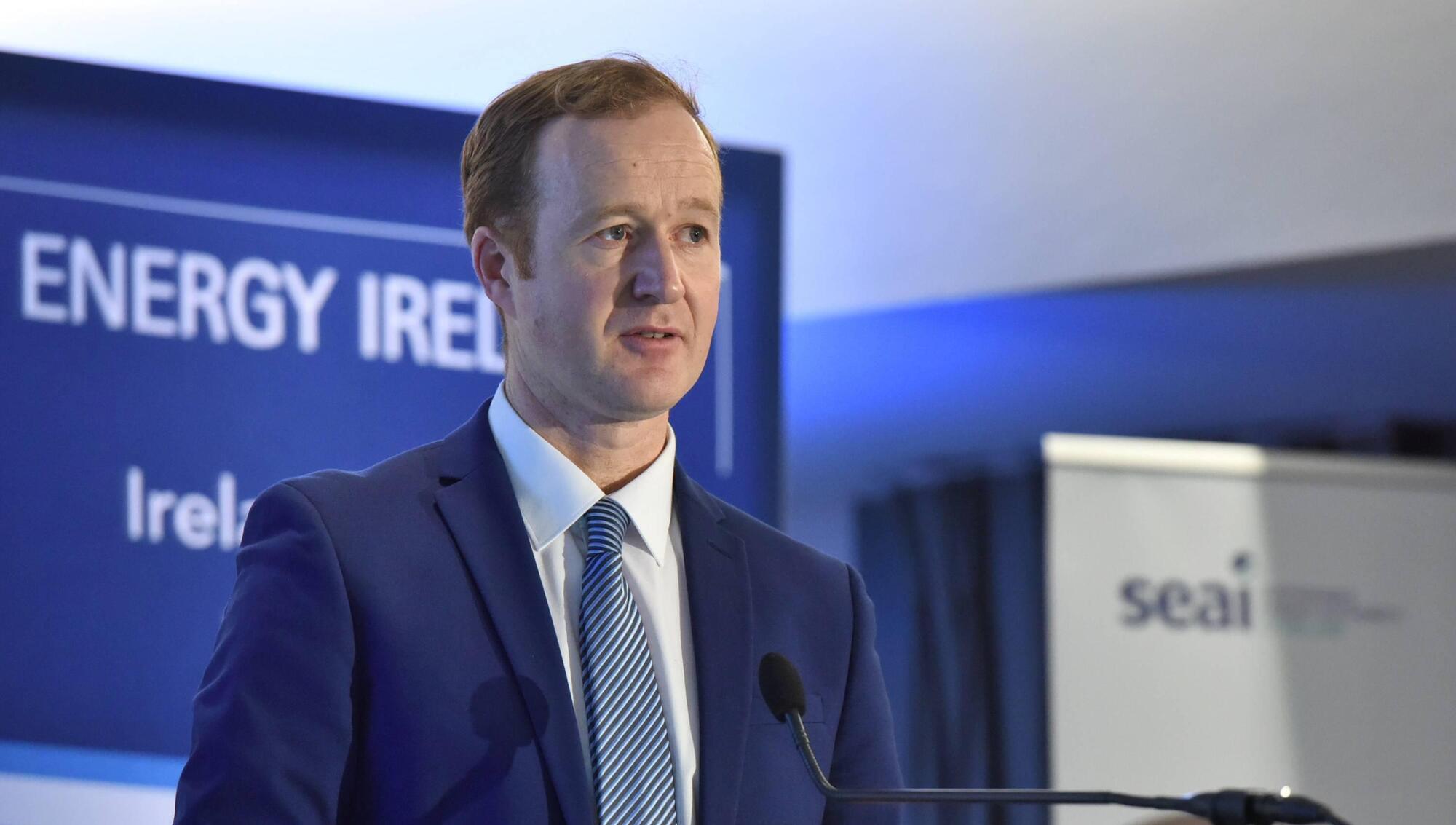
Sustainable Energy Authority of Ireland chief executive William Walsh. Imports met over 78% of Ireland's energy requirements in 2025, an SEAI report shows.
Imports met over 78% of Ireland's energy requirements in 2025, substantially higher than the EU average of 57.3%, leaving Ireland exposed to international energy price volatility, a report by the Sustainable Energy Authority of Ireland (SEAI) published on Friday shows.
The report shows renewable energy continued to grow while fossil fuel use declined declined by 4.7%, with coal use falling sharply by almost 45%. However, 93% of imports were fossil fuels, with Ireland importing all of its oil and coal requirements and more than 82% of its natural gas.
Read More
"While we are making some progress on renewables - with solar in particular continuing its remarkable growth, Ireland is still too reliant on imported fossil fuels, leaving our economy vulnerable to events outside of our control," SEAI chief executive William Walsh said. "We've seen in recent months how quickly sharp increases in global oil and gas prices can feed into our home heating bills, transport costs and overheads for business. By continuing to invest in our country's huge potential for wind and solar, we can give homes and businesses better security and certainty over the cost of the energy they use, as well as improving health and comfort levels."
The UK remained Ireland's largest supplier, accounting for more than half (55.5%) of all energy imports in 2025, followed by the US (16.9%) and EU countries (16.2%). Wind remained Ireland's largest renewable energy source, accounting for almost half of all renewable energy supplied in 2025. Solar PV continued its strong growth – up 50% since 2024 and 150% since 2023 – recording the largest annual increase of any renewable technology, reflecting continued investment in both rooftop solar and utility-scale developments. Solar PV accounted for over 6% of Ireland’s renewable energy supply in 2025. Heat pumps, biomass and biofuels also contributed to growth in renewable energy supply, meaning that almost two-thirds (64.9%) of all energy produced within Ireland now comes from renewable sources.
Renewable energy accounted for a record 15.9% of Ireland's total energy requirement in 2025, increasing by 6.8% compared with the previous year.
Ireland’s overall energy requirement also reduced by 2.2% compared with 2024, while energy-related emissions fell by 3.7% to their lowest level in more than three decades.
Less than half of Ireland's electricity supply came from fully indigenous sources and fuels during the year. "We made some good progress last year, getting our reliance on fossil fuel down below 80% for the first time and bringing renewable energy share to record levels, but we need to do a lot more," said Mr Walsh. "Continuing to grow our capacity for wind and solar, improving energy efficiency - doing more with less, and reducing overall energy demand will be critical to strengthening Ireland's energy security, reducing dependence on imported fuels and building a more resilient, affordable and sustainable energy system."


CONNECT WITH US TODAY



Be the first to know the latest news and updates