Manufacturing activity improves as inflation costs hit
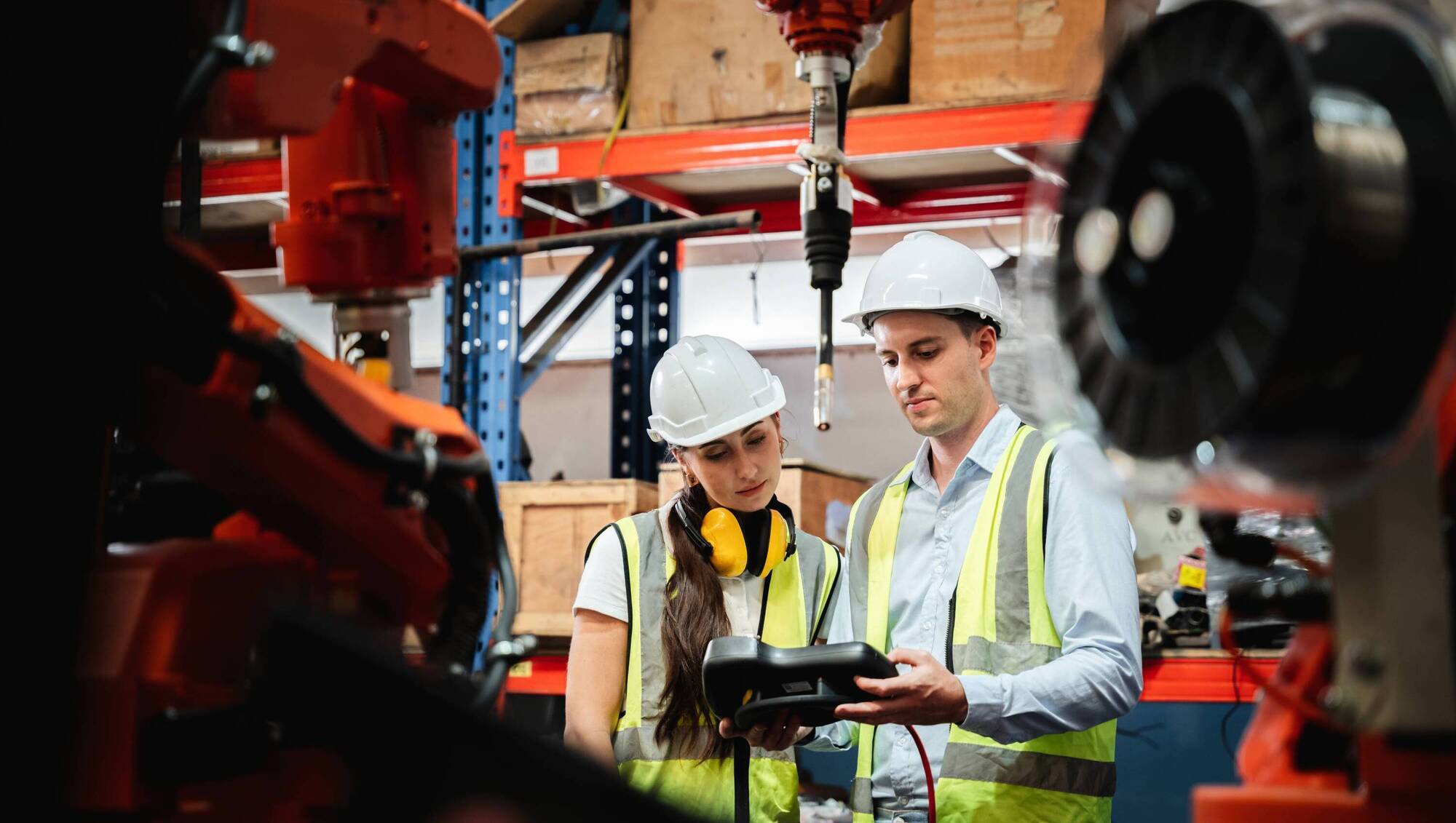
Irish firms said there was a noted improvement in export orders, particularly in the US, US, and Asia.
Business conditions in the manufacturing sector improved last month, with a strong uptick in new orders, but the rate of input cost inflation also increased at the fastest rate since July 2022, the latest AIB Purchasing Managers Index (PMI) shows.
The PMI recorded a reading of 55.9 during May, a slight increase from the 54.9 recorded in April. This is above the flash readings for the eurozone, US and UK at 51.4, 55.3 and 53.7, respectively.
The reading is derived from indicators for new orders, output, employment, suppliers’ delivery times and stocks of purchases. Any figure greater than 50 indicates overall improvement of the sector.
Manufacturers recorded an increase in their production volumes for the seventh consecutive month, with the rate of output growth accelerating to its strongest pace since May 2025.
“Survey respondents mostly cited improving customer demand and the impact of long-run business expansion plans,” the PMI said.
Total new work rose at its fastest pace in just over four years, with goods producers saying there is greater demand from both domestic and export markets.
“Some firms suggested a temporary boost to sales as clients brought forward purchases in anticipation of rising prices. However, there were also reports that elevated geopolitical uncertainties had weighed on investment spending in some cases,” the PMI said.
Manufacturers said there was a noted improvement in export orders, particularly in the US, US, and Asia.
Chief economist at AIB David McNamara said the expansion in May was due to “sustained gains in output and new export orders, reflecting a frontloading of demand and stock building due to the Middle East conflict”.
"Output rose solidly in May, at the fastest pace in 12 months, with respondents citing strong order books. This was also evident in the surge in new orders and export orders to multi-year highs, as firms reported a boost to sales despite the geopolitical uncertainty."
However, Mr McNamara added that while activity levels improved “the rate of input inflation accelerated sharply to the highest level since July 2022”.
“Respondents noted raw materials and fuel costs as key drivers of inflation. Nonetheless, with demand still strong, many firms were able to increase selling prices, with the output prices index rising to the highest level since December 2022.”
Of those surveyed as part of the PMI, 58% reported an increase in their purchasing costs during May, while only 1% noted a decline.
The increase was mainly attributed to higher fuel and raw material prices.
In terms of employment, May data indicated a “marked increase” in staffing levels across the sector.
However, a combination of rising demand and worsening supply conditions led to a solid accumulation of unfinished business in May. Increased backlogs of work have now been recorded for three months in a row, and the latest expansion was the steepest since April 2022.
Mr McNamara added that manufacturers’ assessment of the outlook for activity levels over the coming year had improved.
“Around 47% predict an increase in output over the next year, while only 10% forecast a reduction. Manufacturers cited rising customer demand as offsetting heightened geopolitical tensions from the war in the Middle East,” he said.
Irish manufacturers said rising inflationary pressures and global supply chain challenges were factors in weighing on the year ahead business outlook.
CONNECT WITH US TODAY



Be the first to know the latest news and updates