State’s largest private landlord to focus on Dublin as 'there just isn't scale in other parts of the country'

Estate agent giving house keys to customer and sign agreement in office. landlord generic rent
The State’s largest private landlord I-RES Reit said its targets for acquisition will largely be focused on the greater Dublin area because "there just isn't scale in the other parts of the country” and it would need up to 500 units for it to be economically viable.
This comes amid changes to rent rules which came into effect on March 1 this year which give landlords greater freedom when it comes to setting rents. According to the new rules, annual rent increases will be capped at 2% but if a tenancy changes, the landlord will be allowed to reset that rent to market levels.
I-RES Reit said the first month of operation under the new regime has “been in line with expectations” and it is “encouraged that the improved backdrop will contribute positively to portfolio performance over time”.
The company said that its properties are effectively fully rented out with an occupancy rate of 99% at the end of March. Its net rental income margin performance stood at 78% during the first quarter of the year.
Chief executive of I-RES Reit, Eddie Byrne, said that for 90% of their tenants, their rent will increase by a maximum of 2% a year and they are expecting a 10% turnover where rents will be reset to market.
"We get our portfolio valued every six months by independent valuers, and they have said that they believe the average reversion in our portfolio is about 20% but that is an average made up of 3600 units, so it really depends on what turns over,” Mr Byrne said.
Earlier this year, the company announced that it had entered into a forward purchase agreement to acquire 77 apartments valued at €31.75m in Naas, Co. Kildare. The company expects these new properties to generate a net initial yield of approximately 5.25% and will be earnings enhancing following the lease-up period.
This acquisition will be funded from the company’s ongoing asset recycling programme. The company expects this transaction to close at the end of the year.
Mr Byrne said the company is always on the lookout for potential acquisitions and they are eyeing another transaction similar to the size of the one in Naas and then “see what else comes on to the market”.
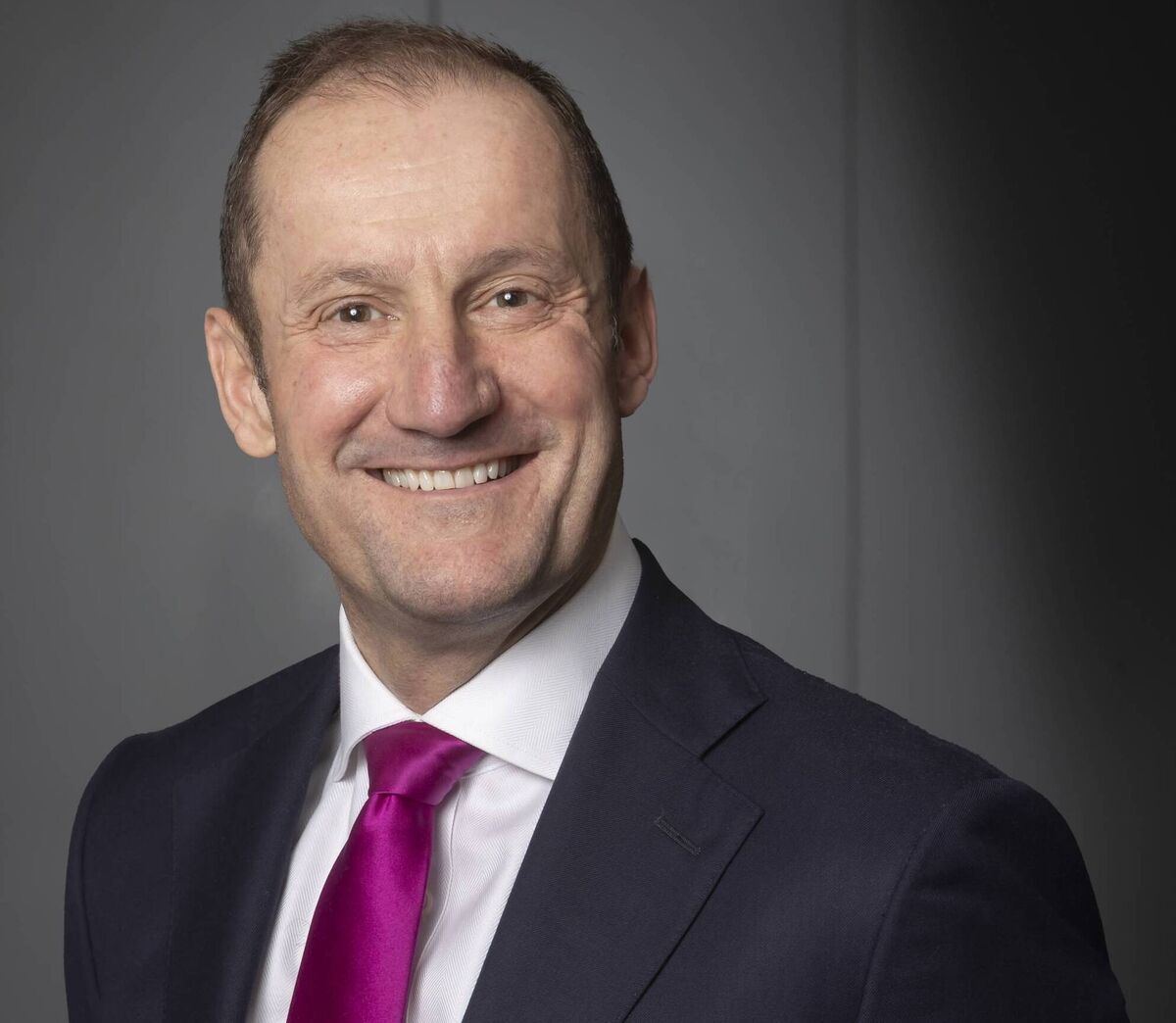
However, he added that the company is focusing on developments in the greater Dublin area because "there just isn't scale in the other parts of the country”.
"For us as an internally managed business, we would put people on the ground in any location. We probably need 400 to 500 units to make that economically viable,” he said. "We would love to be in the other markets, because we think they're good markets, but the product isn't there for us at the moment.”
Mr Byrne added that they’ve seen an increasing amount of transaction activity in the market over the last several months.
"What we've seen in the first five months of this year, in terms of transactions that have actually sold in the market or are currently on the market, is greater than the combined totals for the last two years. So that's a hugely significant increase,” he said.
"We don't have a target in terms of the number of units we want to add. It's very much opportunity driven. If we see an opportunity, a product property that we like, and we have the capital for it. We absolutely will be interested in going after that, but we don't have a target for the sake of having numbers that will go to that.”
The company announced a number of years ago plans to dispose of 315 units. As of the end of 2025, it has sold 107 of those generating €35m.

CONNECT WITH US TODAY



Be the first to know the latest news and updates