Kevin Sheridan: 'I'm ignoring the UK market; it's just not worth it'
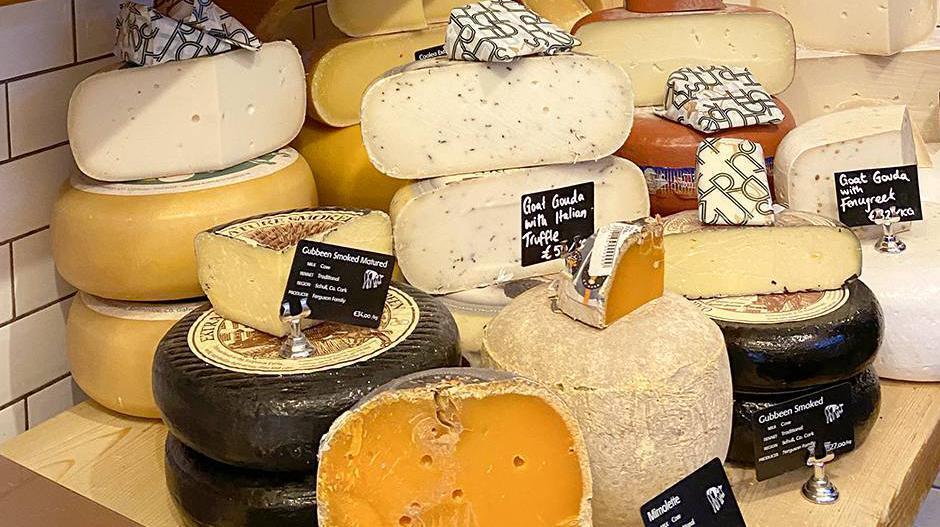
Export is an aspect of the business but the UK market was once very important for Sheridans Cheesemongers.
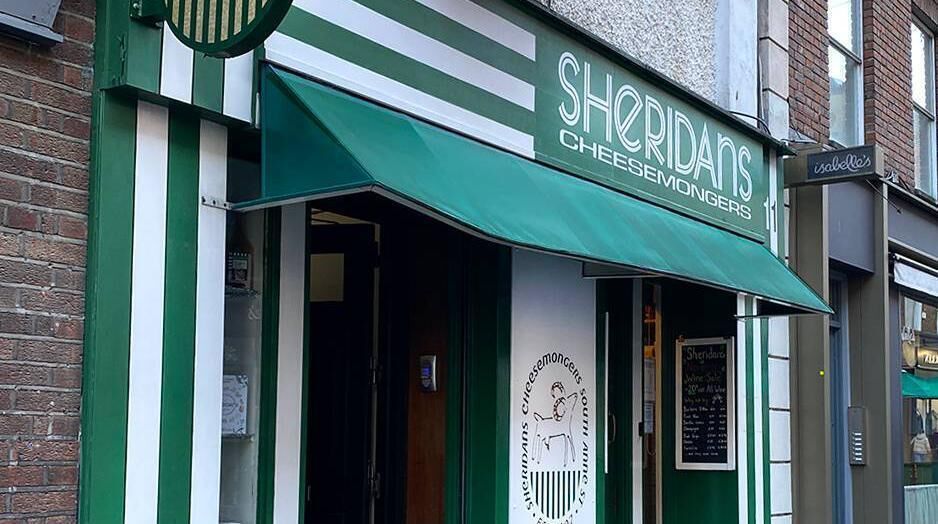
A queue of customers poured from the front door of Sheridans Cheesemongers and stretched down St Anne’s St in Dublin over the festive period as the business celebrated its 25th Christmas in that spot.
The business, run by brothers Kevin and Seamus Sheridan, was created almost 30 years ago after they both got a taste for the hospitality business and saw the growing interest in artisan foods in the Irish market ahead of the boom years.
From what started as a small stall at a Galway market, selling farmhouse cheeses, the business has grown to become a household name in Ireland.
Since the days at the market stall, the business has expanded to include more than 20 retail establishments across Ireland, with a purpose-built warehouse premises with offices and maturing rooms in Meath. It is on the site of the Old Virginia Rd Railway Station where it supplies many of its trade customers.
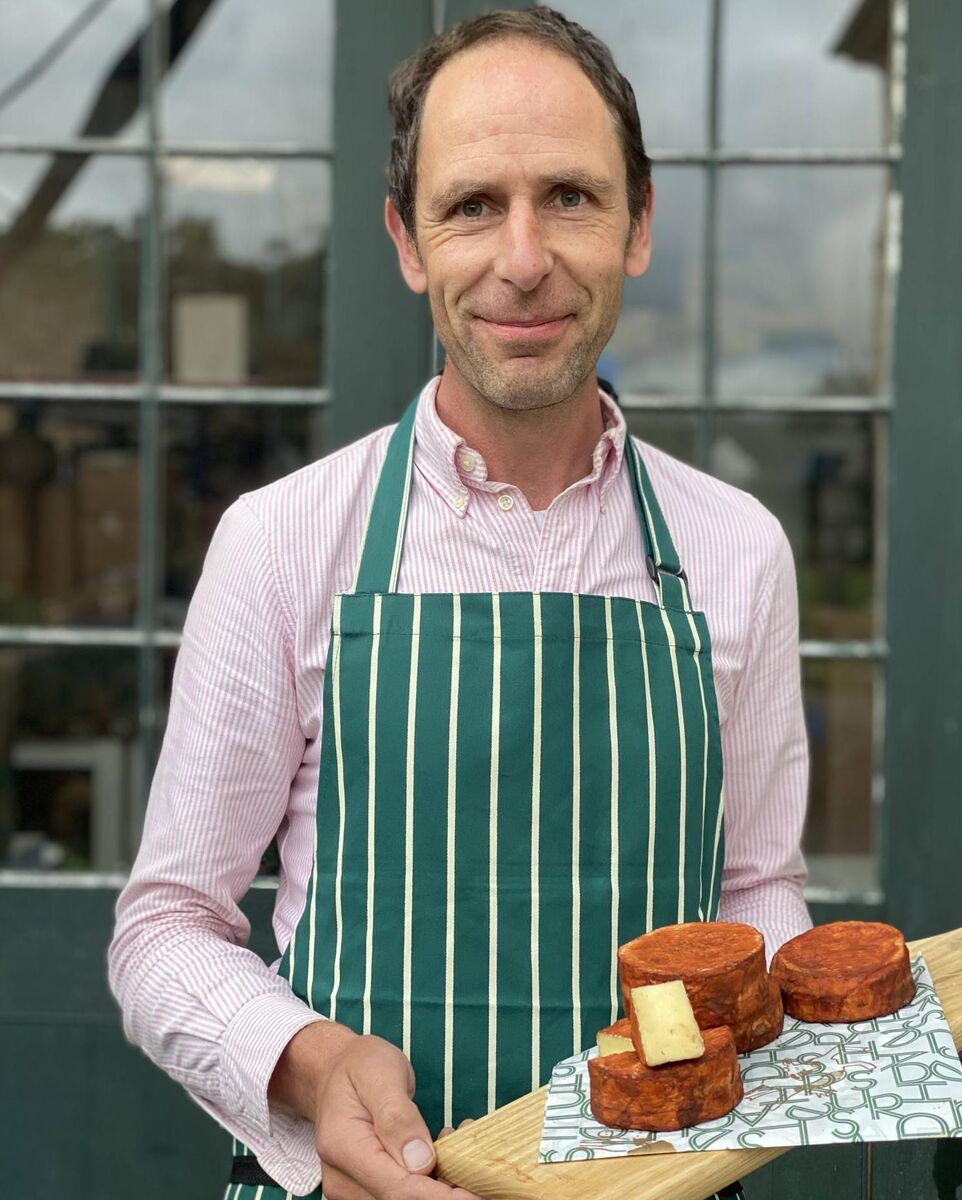
Having survived a banking crash, a pandemic, and the recent volatile economic environment, Kevin Sheridan is sure of one thing when it comes to growing the business further — The UK market will not be a priority.
“The UK is not worth the hassle,” he said.
Export is a small piece of the business but at one point the UK market was highly important for Sheridans Cheesemongers. Prior to covid, the company supplied to the food service sector in the UK but pandemic restrictions on hospitality decimated a “chunk” of the business.
“In my own mind I’m ignoring the UK market because, along with the difficulties with Brexit, it's just not worth it,” said Mr Sheridan.
Irish exporters still looking to do business in the UK are anticipating further challenges this year as promised Brexit border controls are expected to be introduced soon, if they are not kicked down the road for a sixth time.
Last year the UK said it agreed to a delay for the introduction of remaining "sanitary and phytosanitary controls, as well as full customs controls for non-qualifying Northern Ireland goods, which will now be introduced from January 2024".
EU controls have been carried out on goods coming from the UK since it left the single market at the start of 2021.
The UK is still the largest single destination for Irish food and drink exports, valued at an estimated €5.6bn last year. The share of total exports destined for the UK in 2023 is estimated at 34%, up two percentage points on 2022, but this is still lower than trading levels before the Brexit referendum.
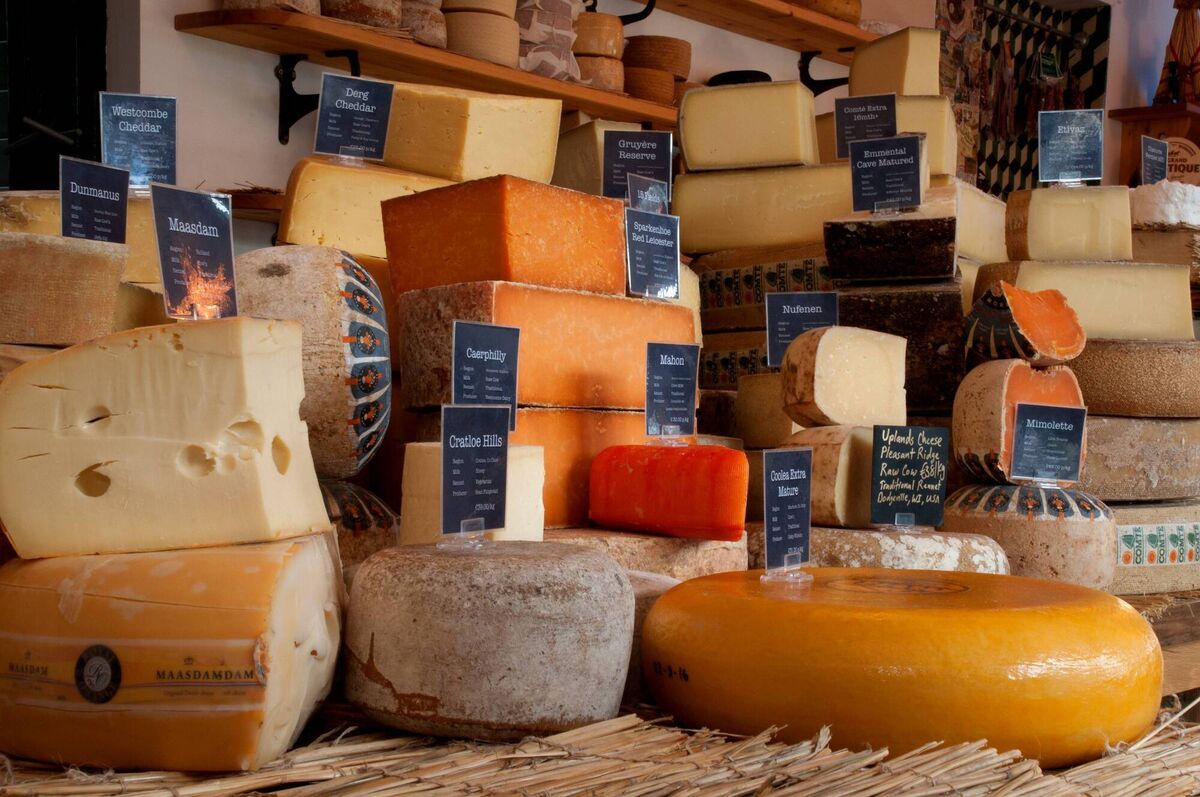
In general, cheese exports performed well last year, indicating prices are staying high despite falling inflation.
The dairy sector, which accounts for almost 40% of overall Irish food and drink exports, saw export values decline by 8% to €6.3bn last year, according to new Bord Bia figures.
The decline in the value of butter was partly offset by increases in the value of cheese, specialist nutritional powders, yoghurt, and whole milk powder.
Meanwhile, Mr Sheridan said he is not benefitting from the high-value export of cheese as it reflects supplier prices which have increased “phenomenally” over the last year.
Sheridans sells other products from across Europe, including Rustichella d’Abruzzo Pastas, Ortiz Tunas, Prunotto Italian Pasta sauces, cheese accompaniments, and Luscombe Organic Drinks.
Mr Sheridan said many of his farmhouse cheese suppliers would review or increase their prices every three years but in recent times, some suppliers have been putting up prices “every couple of months".
"It was just really hard to keep control of," said Mr Sheridan.
Mr Sheridan said the current challenges in the market have not squashed their ambition to grow the company, with a particular focus on the domestic market. There are lingering issues though in addition to supplier price increases that have become an obstacle to future plans.
“The biggest aspect is how difficult it has been for people that you employ, because of the rent crisis,” said Mr Sheridan.
He added that inflation over the last year has put even further cost burdens on renters and therefore added pressure onto employers when it comes to wages.
Mr Sheridan said his business is not immune to this issue and that staffing costs have a ceiling, but said he does not see the company cutting any of the 150 staff employed with Sheridans Cheesemongers.
“Everybody's stripping out human contact, but that's not what we are about,” he said.
“The thing behind the business that’s driven me from the very start, it's not been food, it's actually been the people,” said Mr Sheridan about growing staff and relationships with producers.
Mr Sheridan remains optimistic about the artisan food sector though, having survived and adapted after the banking crash and the pandemic.
“That was a really negative and a really positive time. At that particular point, we were supplying a lot of restaurants that went bust, and that was difficult. There was a lot of bad debt as well as losing customers,” said Mr Sheridan.
He added that a lot of businesses were forced to become more creative, which also happened after the 2008 crisis.
“At the same time, there was a kind of reaction from Irish people that they wanted to support local producers,” he said.
Mr Sheridan said that, despite all the hurdles along the way, he is not sure if it would be easier to start the same business in the present day compared to in the 90s.
“We’d have a much bigger advantage now in terms of there’s a market now. Economically, the place is a lot better than it was then,” he said.
“In theory you could say we’d do a lot better now, but whether we would have been capable to start a business now, I'm not sure. Rent was so cheap, literally you’d just find a landlord in a pub and sign a lease,” he said.
“We had friends set up, and record shops, clothes shops, and cafes and stuff, and we all help each other out. It was a different kind of atmosphere,” he said.
In terms of working with family, Mr Sheridan said “there’s advantages and disadvantages”.
“There's a lot of give and take, there's a lot more flexibility and understanding of situations,” he said.
Mr Sheridan has always had an appetite for life’s luxuries despite growing up on little beyond “meat and two veg".
Before getting into the cheese business with his wife Rachel and his brother, he studied fine art in Galway, which he said was “perfect for creative thinking” and has helped when building Sheridans Cheesemongers.
The business reported profits for 2022 that were broadly in line with 2021 and Mr Sheridan said he expects a similar outcome for last year.
Earnings were impacted somewhat by volatility over the last few years. Mr Sheridan said it’s not uncommon to see “swings and roundabouts” when it comes to profits in the business.
“Were happy enough to be honest if we can make any profit. It always goes back into the company anyway,” he said.
The business currently operates shops in Dublin, Meath, Galway, Kildare, Wicklow, Limerick, Kerry, Cork, and Ardkeen in Waterford, but Mr Sheridan hinted at further expansion.
“You’ll see a lot of activity in Cork," he said.
CONNECT WITH US TODAY



Be the first to know the latest news and updates