Global aircraft fleet needs to double by 2042 to keep up with demand, report concludes
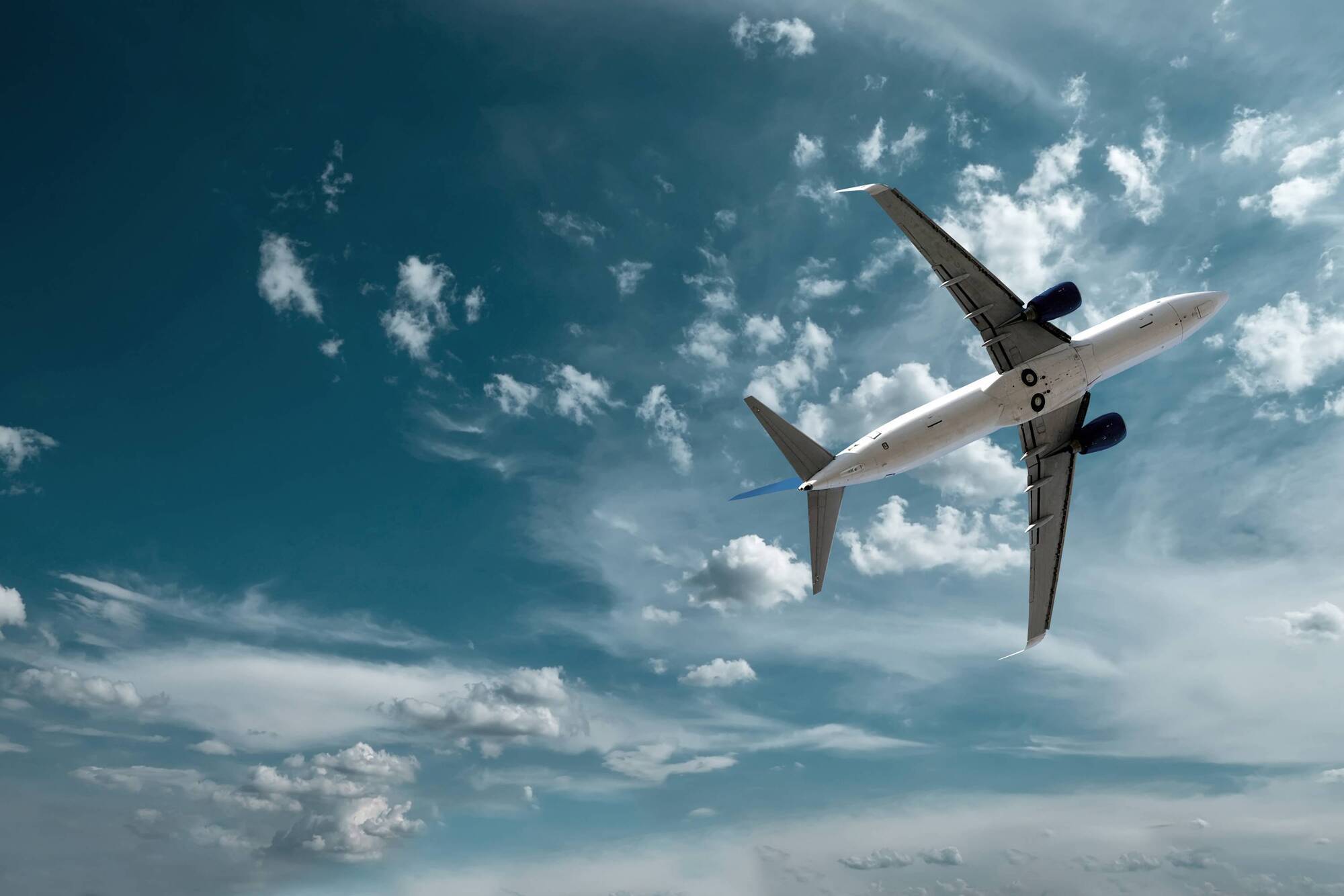
Irish headquartered aircraft leasing firm Avolon said $4trn will need to be spent over the next 20 years on more than 44,000 new airplanes.
The global fleet of passenger aircrafts will need to double by 2042 in order to keep up with the demand for air travel, particularly from Asia and Latin America, a new report by aircraft leasing firm Avolon shows.
On Tuesday, the Irish-headquartered company published its World Fleet Forecast which projected that the number of passenger aircraft worldwide will need to grow by 94% to 46,880 over the next 20 years in order to match demand for travel.
It estimates that $4trn (€3.7trn) will need to be spent on 44,300 new passenger aircraft in that time with 21,600 aircraft expected to be removed from the fleet through decommissioning.
Supply constraints on the delivery of aircraft will continue into the second half of this decade as the value of production slots increases. Those airlines that have not secured sufficient capacity will rely on lessors for new and used aircraft.
Passenger numbers are expected to rise by 3.5% per year compared to the pre-pandemic numbers of 2019.
CLIMATE & SUSTAINABILITY HUB
However, the pace of expansion will be lower than the 5-6% seen in the previous 20 years due to reduced potential for further deregulation to drive growth, and higher fares because of aircraft supply shortages and increasing sustainability levies.
Andy Cronin, chief executive of Avolon, said emerging markets and their growing middle class “underpin” the forecast for the continued global fleet expansion.
“Near-term production constraints will remain a feature and will reward those who have secured their orderbook pipeline. The resilience aviation has shown, and its anticipated long-term growth trend, reaffirms the investment case for aircraft as an asset class.”
The report said that the biggest driver of new passengers will be in Asia — particularly in India and south-east Asia — and Latin America. Mature markets such as North America and Europe will continue to grow but at a more moderate rate.
However, the report did acknowledge that aviation has to confront the challenge of decoupling growth from environmental impact. It said trillions will need to be invested into new lower emission aircraft as well as a ramp up in the supply of sustainable fuels and new energy sources.
The report expects 95% of the global fleet to have transitioned to newer more fuel-efficient aircraft by 2042.
Airbus is set to maintain its strong market position in the narrowbody aircraft segment accounting for 58% of all these sales in 2042, compared to 53% currently. On the other hand, Boeing will maintain its 59% share leadership of the widebody aircraft segment, with the resumption of 787 deliveries a key driver.

CONNECT WITH US TODAY



Be the first to know the latest news and updates