Small farms to benefit most from derogation, says senator
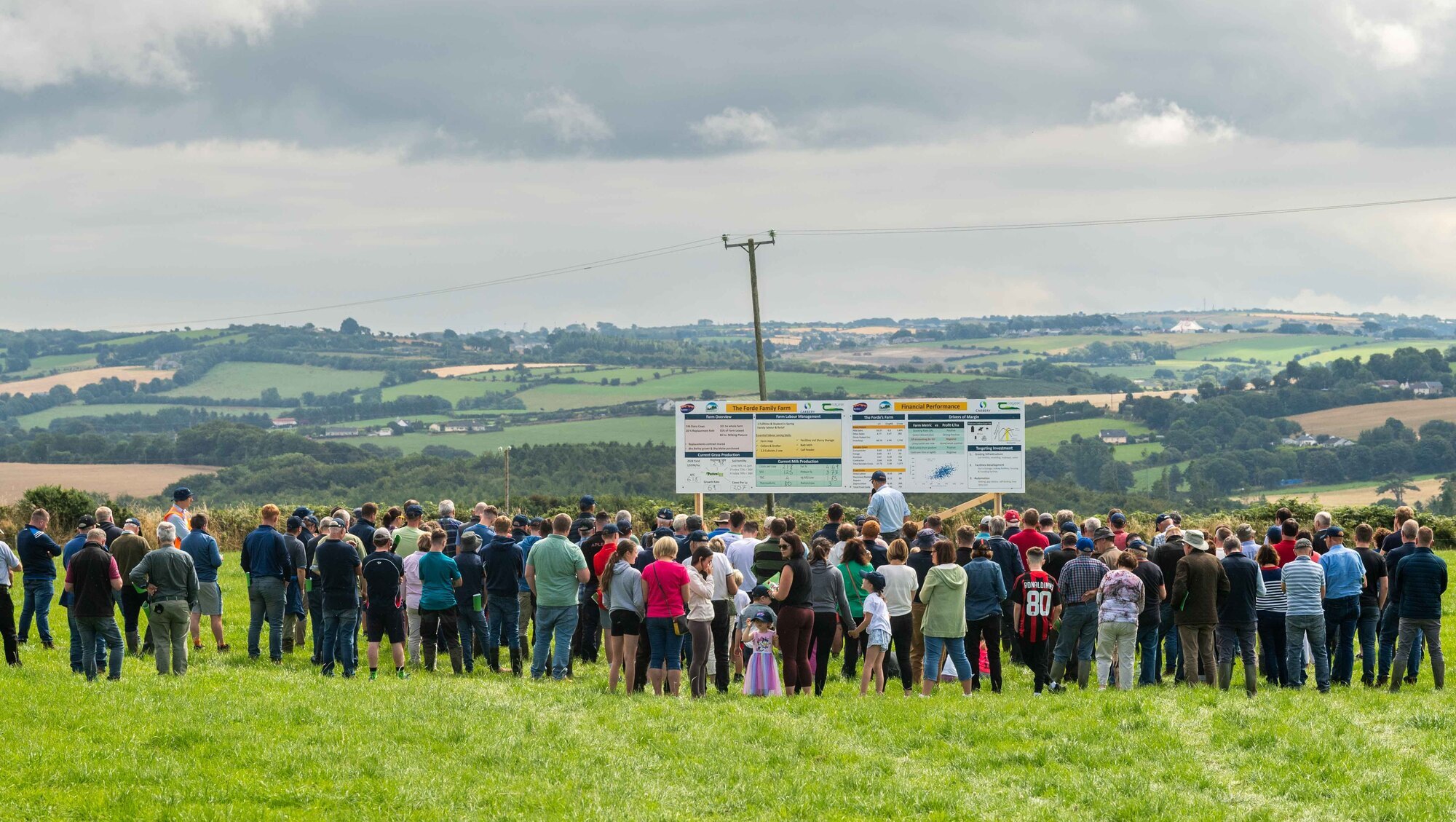
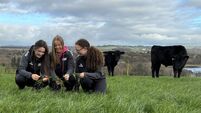
Carbery suppliers pictured at a farm walk earlier this year. Up to 66% of Carbery Group suppliers in West Cork are in the derogation. Picture: Andy Gibson
Some 66% of Carbery Group suppliers in West Cork are in the derogation, Senator Noel O’Donovan recently told the Upper House when he welcomed the extension of the measure.
The Fine Gael senator said some of these are large farmers with 200 to 300 cows, but 43% have zero to 70-cow operations and 77% have 70 to 120 cows. “It is actually small indigenous farmers within our communities who are going to benefit from this derogation,” he said.

Senator O’Donovan said people of a younger generation, and of various generations, sometimes ask what politics is about and the importance of it.
“The extension of a derogation explains the importance of politics and representation in politics, where we listen, understand issues, lobby and try to persuade decisionmakers of the importance of certain policy decisions,” he said.
Senator O’Donovan said the derogation decision is not just a win for the farming community; it is a win for the totality of rural Ireland and the rural social fabric in communities.
He paid tribute to the Taoiseach, Tánaiste, those at all levels of government and department officials, but particularly agriculture minister Martin Heydon, for their work in securing the derogation for the country.
“It was a particularly difficult topic over the past number of years, but the minister has taken it on quite seriously, engaged with farmers, listened and visited West Cork during the summer months,” he said.
Senator O’Donovan said he had recently visited Bere Island, on the periphery of West Cork, to see some of the challenges faced by those living on a rural island.
“Let it not go unsaid either that there are challenges in terms of water quality. The farming community has acted well so far, but there are still challenges,” he said.
Senator Malcolm Noonan (Green Party) said minister Heydon is claiming a victory on the derogation issue, but it is a Pyrrhic victory in many ways.
“We have three years now to look at the alternatives and at what the future is for the derogation in Ireland. Could it be the unthinkable, a future without derogation? What might that look like?
“It might look like a regenerative model of agriculture that takes into account significant changes in our climate over many years and the fact our water quality is not improving.
“Regardless of what is being said, it is not improving and agriculture is partially responsible. There are other causes too.
“But farmers need to be supported and led into a scenario where there could be long-term payments for delivering co-benefits for water quality, nature and climate.
“We will head into this cycle again in two years, on this Government's watch, and we will be in that derogation panic again.
“It is important for the minister to come in here to explain what his plan is over the very short period of the derogation,” he said.