From 34 pubs to seven: How Youghal’s once-thriving pub scene has quietly vanished
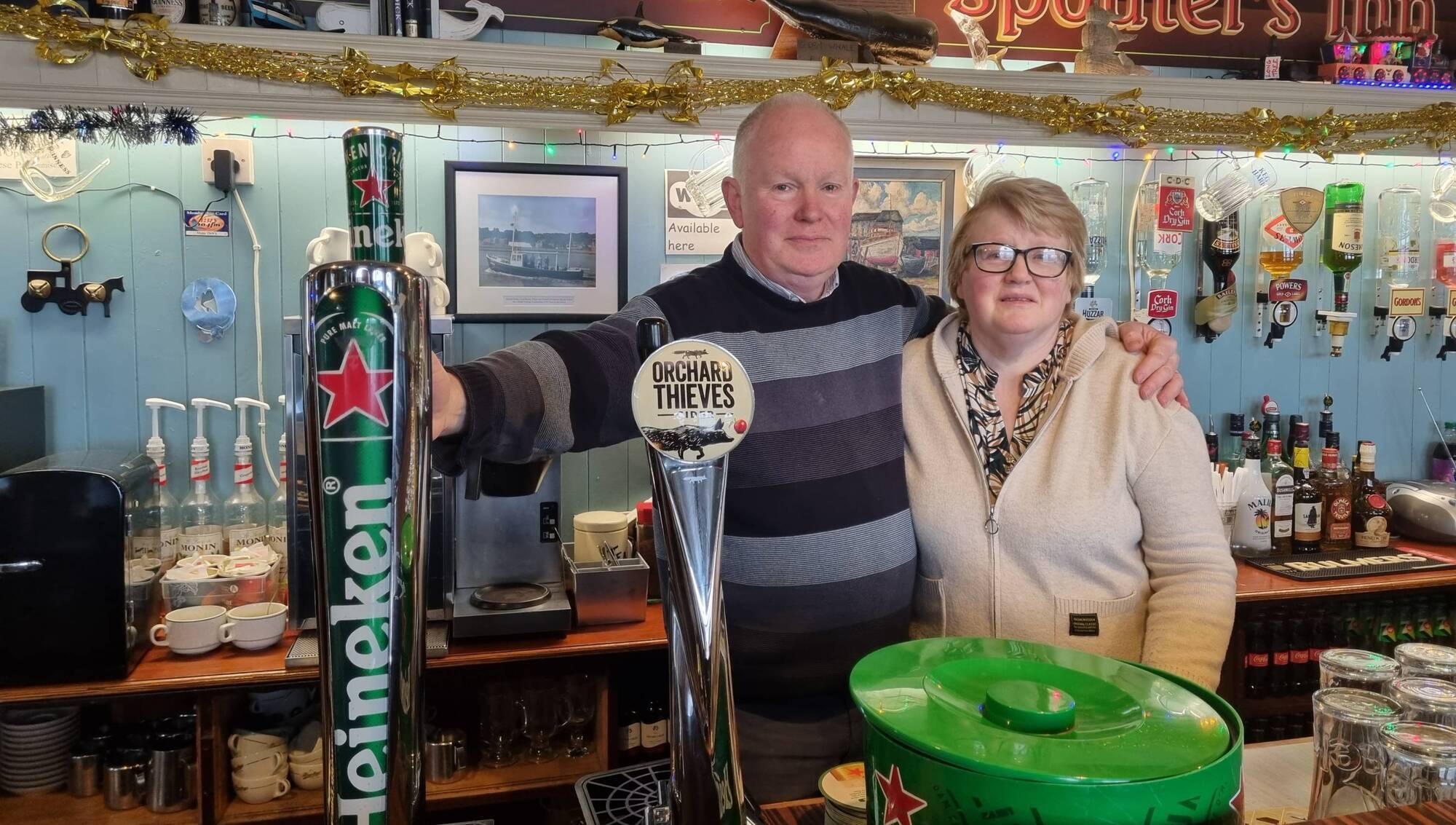
Kevin and Bríd Linehan had their final day in Moby Dick's pub in Youghal on New Year's Day. The pub had a strong association with the movie and is full of fascinating memorabilia from the set. Picture: Christy Parker
When the Hollywood blockbuster was being filmed in Youghal more than 70 years ago, there were an estimated 34 licensed premises in the East Cork town, most along its main street.
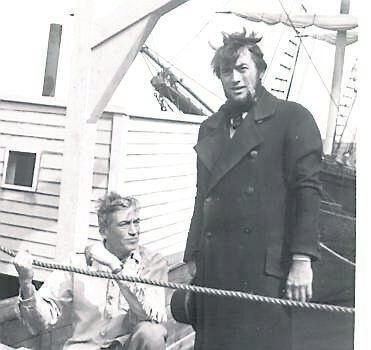
That was the summer of 1954. Visitors thronged the seaside town to get a glimpse of world famous director John Huston and acting superstars such as Gregory Peck, with money pouring into the local economy over those glorious months.
Some 72 years later, times have changed.
Since then, Youghal has lost all its big industries, and money is in shorter supply to keep the local hospitality sector afloat.
Moby Dick was rare white whale. Pubs in the town are now as endangered as him.
Today, there are just seven pubs left and Moby Dick's, one of its most famed establishments, is up for sale.
Much like rural pubs throughout the land, tougher drink-driving legislation has left its mark, the valuable societal price to pay socially as road safety statistics have improved dramatically in the decades since.
Youghal also had a train service back then which helped bring in a lot of visitors from the city.
In 1954, there were also 11 hotels in Youghal — the Imperial, Stella Maris, Devonshire, Green Park, Park View, Adelphi, Harbour View, Esplanade, Atlantic, Pacific, and the Marine.
Today there are three — The Walter Raleigh and the two smaller, boutique hotels at Ahern’s Seafood and The Coach House.
Few know better about the licensed trade in Youghal and the need to provide such facilities for tourists than the current Mayor of County Cork, independent councillor Mary Linehan-Foley.
Her late father and mother, Paddy and Maureen Linehan, opened Moby Dicks and she lived in it from 1966 to 1985.
“They were happy days.
"My parents started it with nothing, and I commend them for keeping it open when times were very tough,” she said.
She said back in those days, there was a significant fishing fleet based in Youghal and when tied up it packed all the quays. The fishermen out at sea for days on end were good customers. Today there are just four of five very small boats operating.
“The demise of pubs is not just in Youghal, it's all over the county. I know because I’m all over the county in my capacity as mayor and I see it everywhere,” Ms Linehan-Foley said.
She said she thinks a number of factors are responsible for this.
“Far stricter drink driving laws are certainly a factor compared when I was growing up. But I think a lot of people are drinking at home now, especially since covid, because it's cheaper [to buy from off-licences].
"There's also a lack of taxis in Youghal, another reason people are staying at home,” she said.
The mayor said the town’s remaining pubs are "great" and Youghal has some very good restaurants.
But going forward, her hometown is going to need more hotels, bars, and restaurants if it is going to capitalise on tourism and revitilise its fortunes.
Youghal greeted the first arrival of a cruise liner to the town in 2025, and there are good indications of more arriving there in the coming years.
The growing demand to reopen the railway line to the town will also benefit tourism, but Ms Linehan-Foley says if it happens, it won’t be for a number of years.
The oldest and continuously run family pub in the town is ‘The Nook’, which will be celebrating a 125-year family-run milestone in February. It was founded in the same year as the famous Barry’s Tea.
Mick Treacy’s grandparents started it off with a grocery shop attached, and his daughter, Ann Barry, has now taken over the reins.
Mick maintained that in the early 1900s, there were nearly 70 pubs in the town, and the only way one can survive these days is through “adaptability".
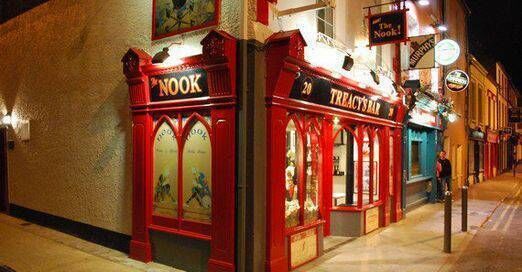
“Pubs are in big trouble. Overheads are very high. The minimum wage has gone up for staff, and now we have the auto-enrolment for pensions.
"You have to keep moving with the times.
"We also have a deli,” Mick said.
He said the pub's an important place for social interaction for the elderly, and he’s concerned, like other publicans, that they are left isolated and vulnerable if their locals close.
“There are cases when some of them don’t talk to anybody else all day apart from coming into the pub,” Mick said.
Some years ago, the pub had a thriving section where bands played. But it got too expensive to hire, so he knocked it down and built a beer garden.
Mick pointed out that there are no discos or dances for the town’s youngsters. There was a popular one at Gigi’s nightclub in the former and since-demolished Hill Top Hotel. There are none for them to travel to in nearby Midleton either, although there's one some locals travel to in Dungarvan, Co Waterford.
Still, Youghal isn’t doing too badly. Compare it to Glanmire, for example, which has a far bigger population. It has six licensed premises, including the GAA Club and just one hotel.
Many villages in the north west of the county have no pubs left.
Youghal is no different to other county towns which have seen a gradual decline in pub numbers.
Towns like Cobh and Fermoy have seen a huge number of pub closures. During the height of World War One, there were an estimated 50-plus licensed premises in each of them.
However, this was fuelled by the presence of the British military in Fermoy. Barrack Hill, close to the military base, was festooned with pubs. There’s just one there now.
The largest concentration of stud farms outside of The Curragh can still be found there. Their owners grew wealthy providing the British with horses, which were vital for transport and the cavalry.
Cobh boomed, especially in 1917, when the Americans entered the war and based a fleet there alongside the British one.
Thousands of sailors spent a lot of money in the town’s pubs, some of which doubled as brothels.
In the past 10 years, more than 10% of licensed premises have closed in this country.
But according to EU statistics, Ireland still has the third highest number of pubs per person in the world. Only Slovakia and Hungary are above us in that league table.
Yet there is a foreboding in the industry that we'll see another major slump coming shortly, as has been experienced with our near neighbours in Britain. Many small towns the size of Youghal across the Irish Sea are down to one pub.
Many villages there, especially in isolated areas, have none left.
Read More

A collection of the latest business articles and business analysis from Cork.
CONNECT WITH US TODAY



Be the first to know the latest news and updates