Irish demand for counterfeit goods exceeds EU average with half of young people okay with buying fakes
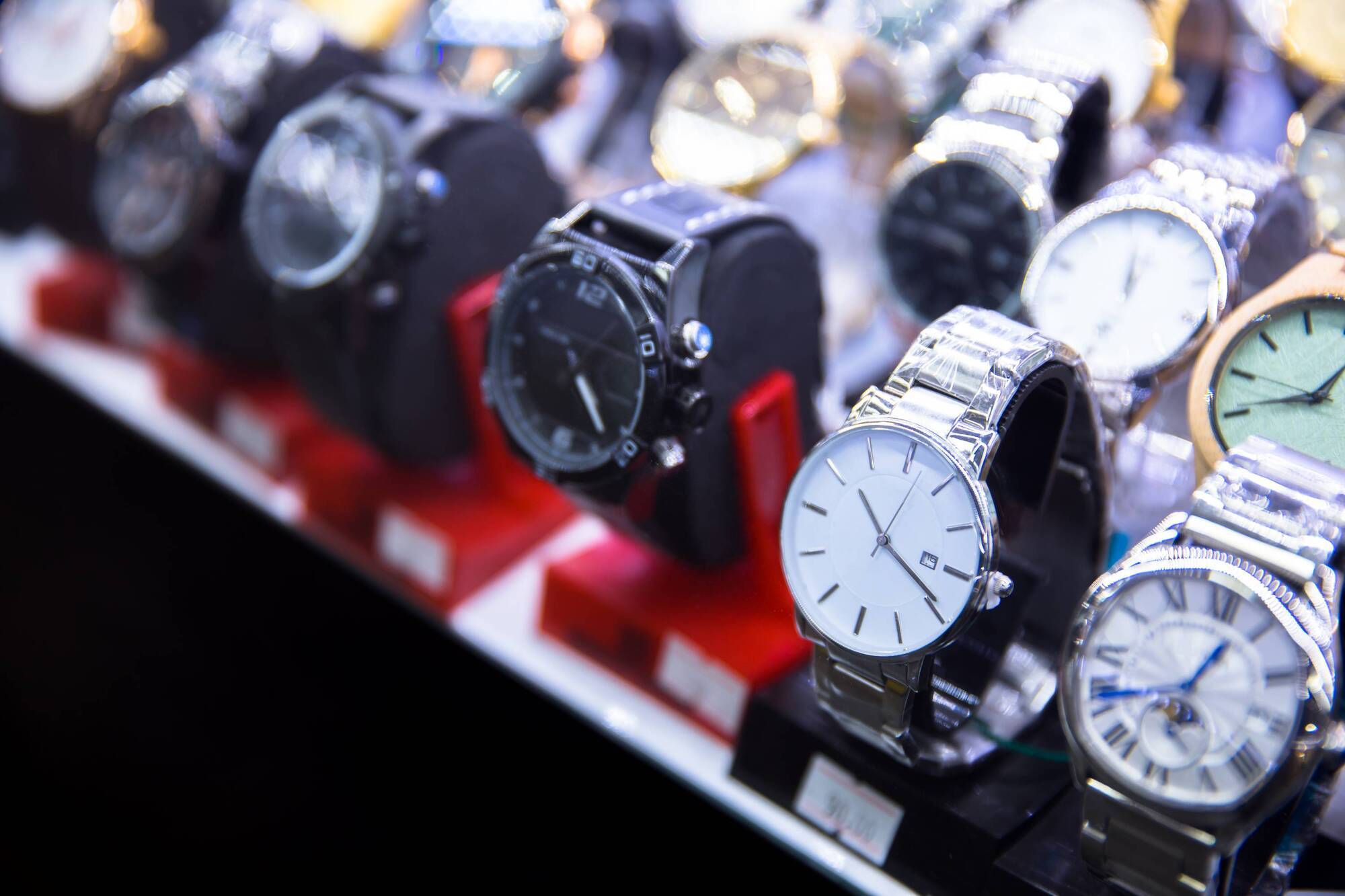
As strong demand persists, the survey also found that people are becoming increasingly aware of the risks and consequences of buying counterfeits, yet, 13% of Europeans have still intentionally sought out fake products
As sustained inflation continues to bite across the EU, counterfeit products have encountered maintained demand despite public perception remaining unsupportive of black market goods.
New research carried out by the European Union Intellectual Property Office (EUIPO) has found that the vast majority of Europeans believe counterfeits have adverse effects on businesses and support criminal organisations, with more than 80% agreeing that it facilitates unethical behaviours.
However, around 33% of Europeans find it acceptable to buy fakes when the price of the genuine substitute is too high, with that proportion rising to half for younger populations aged 15-24.
As strong demand persists, the survey also found that people are becoming increasingly aware of the risks and consequences of buying counterfeits, yet, 13% of Europeans have still intentionally sought out fake products, with that number rising to almost a fifth for Irish consumers.
On a country level, the proportion of respondents that have intentionally purchased fakes varies from 24% in Bulgaria to 8% in Finland, with Ireland having the third-highest percentage of people buying counterfeits in the EU.
As awareness increases, however, so does uncertainty, with 40% of respondents admitting that they didn't know whether or not a product they purchased was genuine.
Across digital platforms, a vast majority also believed illegally sourced content was unethical, with 80% of Europeans found to largely oppose the use of pirated content and preferring to use authentic sources if an affordable option is available. Despite this, a 65% majority considered it acceptable to pirate content that was not available with their existing subscriptions.
Meanwhile, 14% of Europeans admit to having intentionally accessed content via illegal sources, with this percentage rising to 1 in 3 for young people aged 15 to 24. This was especially the case to watch sports, using illicit streaming devices or apps.
Growing uncertainty has also spread to online platforms, with 41% of respondents not knowing if the sources used for digital content are legal or not.
To combat maintained demand for counterfeit goods, a lower price of original products was cited as the most significant reason to stop buying fakes, followed by the risk of enduring a bad experience, safety risks, and the threat of punishment if caught.


CONNECT WITH US TODAY



Be the first to know the latest news and updates