Domestic Irish businesses shrug off Iran war impact
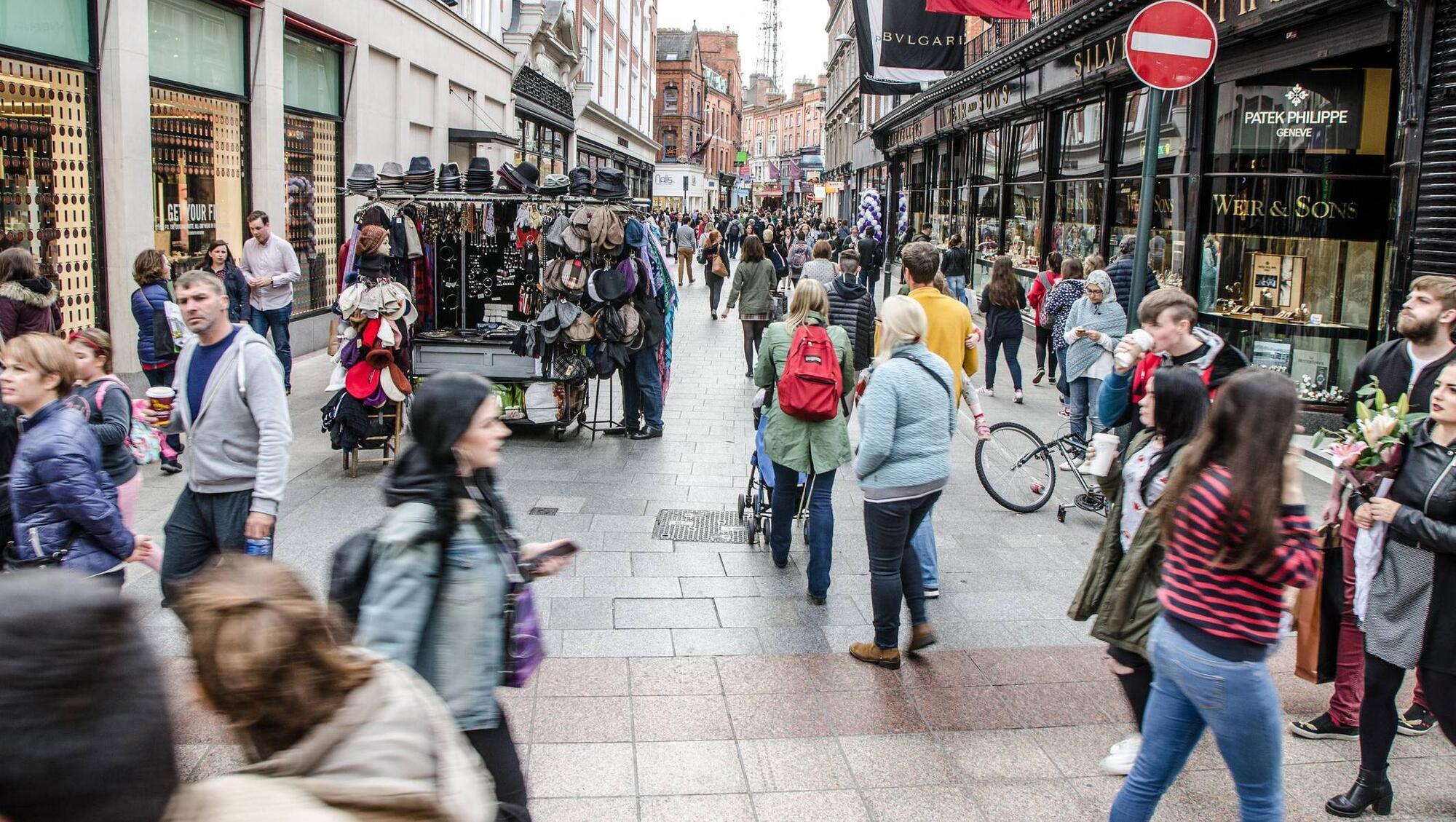
The Central Statistics Office published solid payroll data with 2.6m people now at work. Picture: iStock
Indigenous Irish SMEs have shrugged off the impact of the Iran conflict and are now creating jobs at the fastest pace in almost a decade.
As the conflict in the Middle East rumbles on with little sign of a short-term solution, businesses here are maintaining a cautious but optimistic approach for the future.
A business optimism survey conducted by Linked Finance is the latest dataset to highlight the change in mood by firms.
The survey of 370 firms nationwide shows hiring is now at a decade high, led by mid-sized firms and those outside Dublin.
The employment gap, the net balance between SMEs hiring and those reducing headcount, has widened to eight points, the strongest reading since 2016. Job growth is being driven by transitional businesses of between four and nine staff and the services sector, with firms outside Dublin playing a leading role. This is a reversal of the regional pattern that has defined the Index for much of the past two years.
Taken together with overall optimism holding at 63.5% positive, the picture is of a domestic SME economy that has steadied and is now confident enough to commit to hiring, even with no clear improvement in trading conditions.
On Friday, the Central Statistics Office published solid payroll data with 2.6m people now at work. Employment has been growing continuously since the post-covid trough.
However, the survey shows sectors such as exporters face sterner challenges and are absorbing the cost of renewed global instability. Activity among exporting firms has fallen to -16 and is projected to decline further. The 20-point gap highlights the two-track SME sector, with domestic firms steady or expanding while trade-exposed firms are in retreat.
Commercial shipping through the Strait of Hormuz remains largely frozen, with only limited vessel movements observed and most tied to Iranian-linked shipping. While commercial activity remains severely depressed, daily transits through the waterway did climb on Saturday to ten ships from just five the previous day, pushed by a small wave of incoming Iranian-linked vessels.
Iran said transit through the critical Strait will flow once the conflict with the US and Israel is over, but the sides are no closer to resolving their differences or finding a path to achieve it.
For Irish businesses, cost pressures also remain elevated, with 39% more SMEs raising prices than cutting them, while operational profitability has slipped back into negative territory at -8%. The retail and wholesale sector continues to exert the largest downward pressure on margins.
"What this quarter really shows is a two-track Irish SME economy," Niall O’Grady, CEO of Linked Finance, said. "Job creation is at its strongest level in years, which underlines the underlying resilience of the sector. But that headline number masks real strain among exporters, who are absorbing the cost of global uncertainty in real time and a profitability picture that has slipped back.
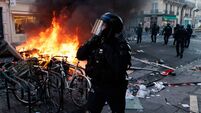
SMEs were also asked for their reaction to the recent fuel protests. More than half agreed to some extent with the protesters' approach, against 37% who disagreed, with support consistent across regions and rising to 71% among firms with 10 employees or more.
Reaction to the Government's response was more divided. Just under a third of SMEs expect a positive impact, while 37% expect a negative one. The split is sharply regional. One-in-four SMEs based outside Dublin describe the Government's response as "very negative" - three times the level recorded in Dublin.

CONNECT WITH US TODAY



Be the first to know the latest news and updates