The amount spent by overseas tourists fell in 2019 for the first time in eight years
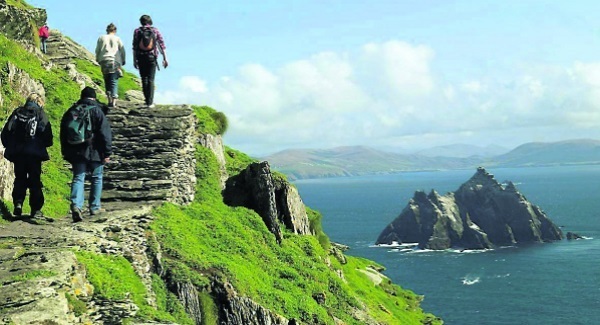
The Government should quickly tap its Brexit contingency fund to do more to promote the island abroad, as the amount spent by overseas tourists fell in 2019 for the first time in eight years, the head of the largest tourism business group has said.
Irish Tourism Industry Confederation chief executive Eoghan O’Mara Walsh said it was frustrating that government agency Tourism Ireland spent less on marketing Ireland at a time when the Vat hospitality tax rate was raised.
“The no-deal Brexit contingency fund of €40m announced for tourism in the budget needs to be released now to stimulate demand in the crucial early months of 2020”, as Brexit was hurting the industry while Government was spending less on international promotions, he said.
The confederation said the €6.9bn generated from overseas tourists this year was down 1% from 2018, even as the number of visitors set a record of 9.7m, and the number of north American tourists also rose.
The amount spent by international visitors included over €5.2bn spent while on holiday and €1.7bn on airline and ferry tickets getting to Ireland.
It forecast the number of north American visitors will continue to rise in 2020 but “research was showing that Brexit contagion and consumer nervousness was spreading to the key markets of continental Europe”.
The business group said its members were investing €2.5bn in boosting facilities and “the Government needed to play its part”.
It also estimates a further €1.9bn and €380m was spent by internal tourists in the south and the North, meaning the industry was worth around €9.3bn this year.
Meanwhile, a monthly survey by Bank of Ireland, compiled with the European Commission, showed business sentiment increased for the third month in December, but that consumers were still hesitant about the future.
“2019 has been a year of intense Brexit drama and political events across the Irish Sea were to the fore again this month, with the UK in the midst of a general election campaign as the December survey was being carried out,” said the bank group’s chief economist Loretta O’Sullivan.