IMF better placed to avert next financial crisis, as shares rally on Trump trade peace hope
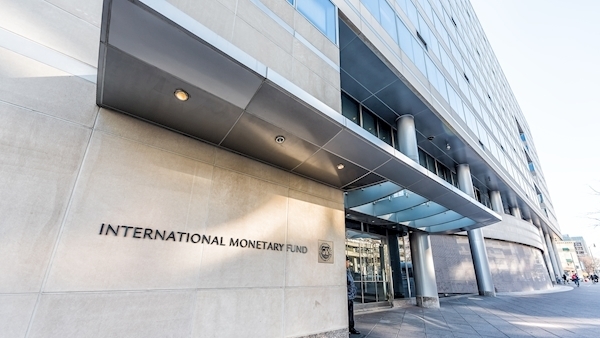
The IMF is in a better place to spot "financial vulnerabilities" that led to the global baking crisis over 10 years ago by monitoring businesses, and markets, and the spending by households and governments around the world, the fund has said.
In a blog post, Monitoring Global Financial Stability, the IMF said that it can now model emerging risks against countries' economic output. It comes as global stock and bond markets signal that the US-China trade wars could lead to a dramatic slowdown in the world econpomy or even recessions in the US and Germany.
Citing remarks it said were made by Queen Elizabeth II in November 2008 at the London School of Economics on why nobody had seen the banking crash coming, the IMF said it is now better prepared.
"We now understand better how financial vulnerabilities can amplify negative shocks and hurt output and employment," the authors said. "The current approach, described in a new IMF paper, involves a systematic assessment of financial vulnerabilities for financial firms and markets, and business, household and government borrowers, and a summary financial stability risk measure in terms of forecast GDP growth depending on financial conditions," according to the fund.
Stock markets continued to follow the commentary by President Donald Trump on his trade war with China, with US indices rising as he suggested that a trade peace deal could be at hand after all.
Shares in global technology firms which had been battered in recent weeks on fears of a global slowdown, rallied strongly, with Apple shares in the US climbing by 2% at one stage.
Last week, President Trump had stoked fears of a major escalation in his administration's multi-billion tariff wars after ordering US companies to quit China.
That had led to fears that the "trade war is now escalating and there is no way of knowing where it will end", said Capital Economics last week.
Meanwhile, at 90.80 pence, sterling in the latest session was little changed against the euro, but still reflecting concerns that Boris Johnson could crash Britain out of the EU without a deal at Halloween.