Eurovision winner ineligible to host if involved in ‘armed conflict’
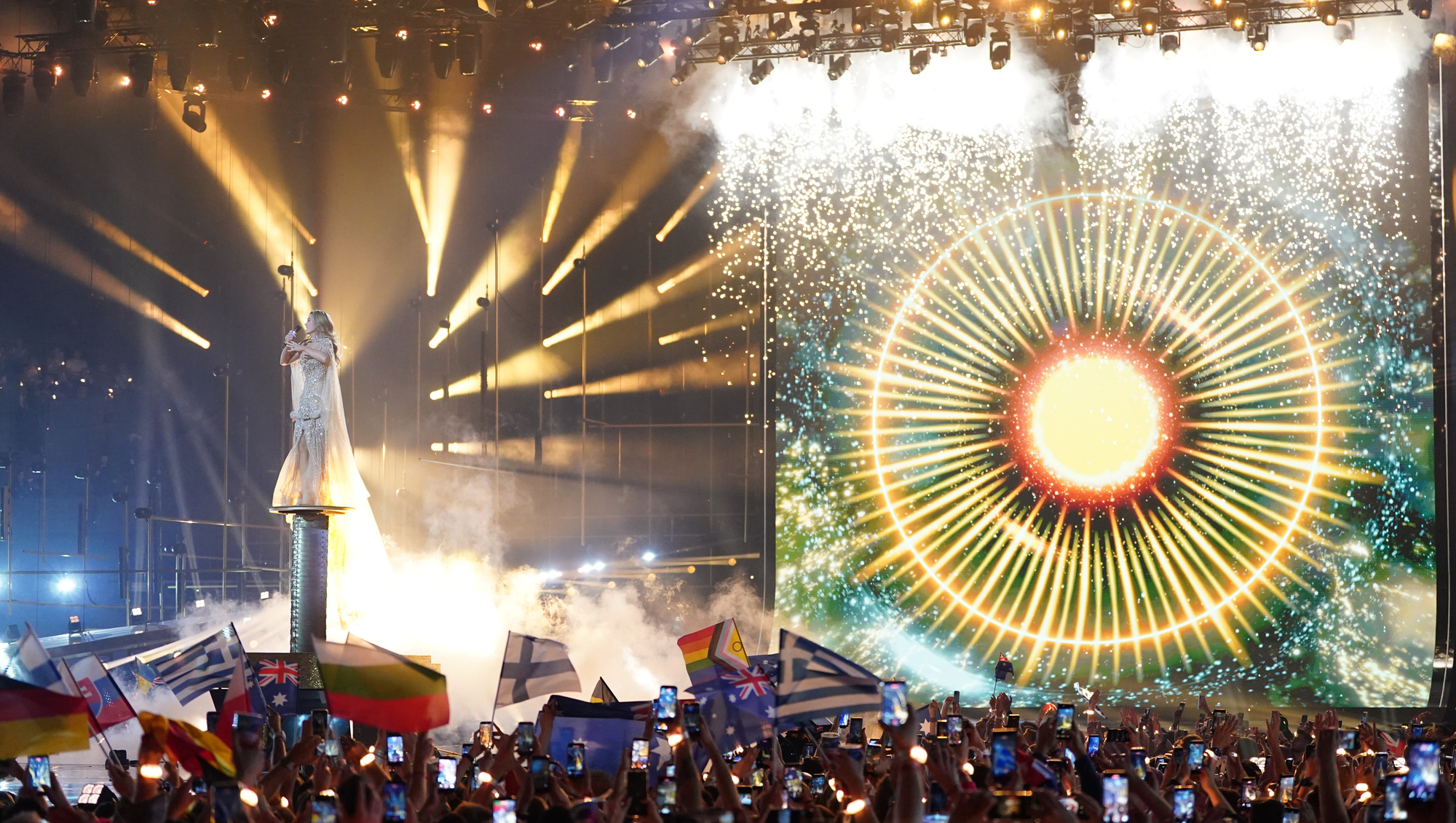
Eurovision organisers have changed the rules (Ian West/PA)
The organisers of the Eurovision Song Contest have said they have changed the rules for 2027 so that the winning broadcaster will “automatically be ineligible to host” if their state is involved in an “armed conflict” or “sensitive geopolitical situation”.
Leading up to the 2026 Vienna competition, a number of countries, including Ireland, Spain, the Netherlands, and Slovenia, threatened to withdraw unless Israel was excluded over the war in Gaza.
The nations did not compete in the most recent contest.
The European Broadcasting Union (EBU) said the rule changes were made following feedback from participating broadcasters, adding the new rules would provide greater clarity for artists and production staff.
Eurovision Song Contest director Martin Green said: “The Eurovision Song Contest is constantly evolving, and our annual review of the Rules is an important part of making sure the contest remains fair, transparent and consistent for all those who participate, including the millions who engage with the event globally.
“Guided, as always, by feedback from our members, we have clarified and strengthened several areas for 2027. These changes are about giving everyone involved greater clarity, protecting artists and ensuring the contest continues to provide a safe and welcoming environment, while preserving the spirit and integrity that make the Eurovision Song Contest so special.”
The 2027 Eurovision Song Contest will be held in Bulgaria after singer Dara won this year’s event in Vienna, Austria, in May.
CONNECT WITH US TODAY



Be the first to know the latest news and updates