Steep drop in 737 Max deliveries hits Boeing profit
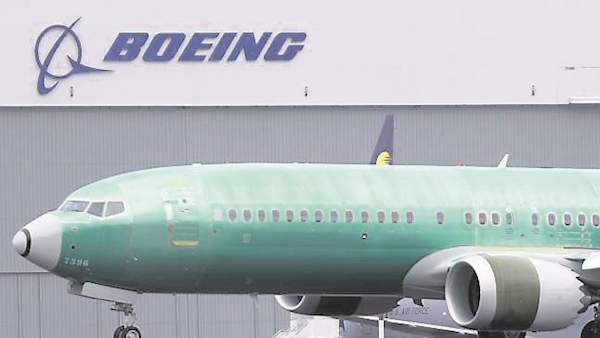
Boeing earnings missed analysts’ estimates for just the second time in five years as executives grapple with one of the worst crises in the aircraft-maker’s century-long history.
The manufacturer abandoned its 2019 financial forecast as it deals with the aftermath of two deadly crashes of its 737 Max aircraft, according to a company statement.
Boeing also revealed it hadn’t repurchased shares since mid-March after spending $2.3bn (€2.05bn) on its stock in the quarter. The second fatal accident within five months occurred March 10 in Ethiopia, spurring regulators globally to ground the single-aisle models. Boeing’s first-quarter results were weighed down by a $1bn cost as it slowed production of the 737 to conserve cash until the Max is cleared to resume commercial flights.
The company also booked charges to revise training for pilots and update the Max’s software, which has been linked to both disasters.
A steep drop in deliveries of the 737, Boeing’s main source of profit, dragged down first-quarter results.
Boeing reported adjusted earnings per share of $3.16, nine cents less than the average of analysts’ estimates.
But investors focused on better-than-expected free cash flow of $2.3bn as a signal of the resilience of the aerospace giant’s franchise.
“There’s a lot of uncertainty, but the quarter wasn’t as bad as people feared,” Ken Herbert, analyst with Canaccord Genuity, said.
Since regulators will determine when the Max is cleared to fly again, Boeing doesn’t want to provide guidance “because that implies they know when the Max goes back in service”.
Despite all the grim news, the shares rose 1% as investors breathed a sigh of relief that results weren’t worse.
Boeing had fallen 11% since the crash in Ethiopia, the biggest drop on the Dow Jones Industrial Average. That accident and an October disaster in Indonesia involving the 737 Max, took 346 lives.
While first-quarter earnings trailed analyst estimates, the real focus for investors is on Boeing’s effort to contain the damage to its reputation and the lucrative 737 model, the company’s biggest source of profit.
The manufacturer has redesigned software linked to the Ethiopia and Indonesia crashes, and is expected to submit the changes to the Federal Aviation Administration soon. But convincing regulators — and passengers — of the Max’s safety will be a complicated task.
While the Max’s indefinite grounding drags on, Boeing’s management team is focusing on conserving cash and tamping down costs.

CONNECT WITH US TODAY



Be the first to know the latest news and updates