Historic Port of Cork headquarters site for sale for €7m
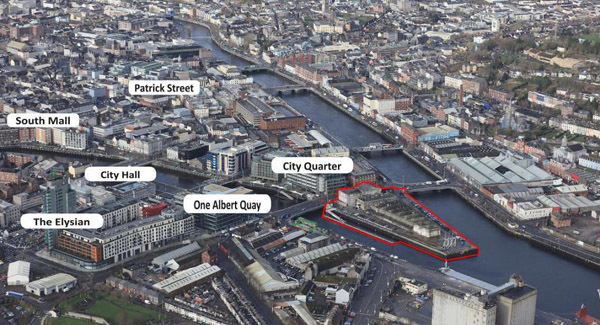
A landmark and historic Cork city site, described as "the quay to the city" has gone publicly to market, .
Port of Cork is seeking €7m for the headquarters premises it has occupied for 135 years, on a 0.3 acre wedge site where the River Lee's two channels meet.
The proposed sale includes protected structures such as the 200-year old Custom House/Cork Harbour Commissioners' building, low-slung bonded warehouses of immense architectural appeal, and a cleared section, with waterfrontage which is being touted for a possible, slender office building.
The long-anticipated arrival for sale comes as Port of Cork continues to act on its business plan to relocate and further develop its commercial activities from the city and its quays downriver, to Ringaskiddy and also partially to Marino Point/Cobh.
Any redevelopment on this site will bring profile and prestige, while it's also likely that heritage, cultural and tourism uses could come to the fore, especially in the older, protected structures. A public campaign to have it come into public ownership and appropriate, maritime-related uses commenced several months ago.
The site, which marks the sharp end of the 'island' of Cork city, is close to City Hall, and to an emerging business district that includes One Albert Quay and City Quarter.
It is also close to where CIE is re-orienting Kent Rail station to provide an access closer to the city, and where CIE is hoping to jointly develop a Horgans Quay site facing across the Lee's north channel to Custom House Quay.
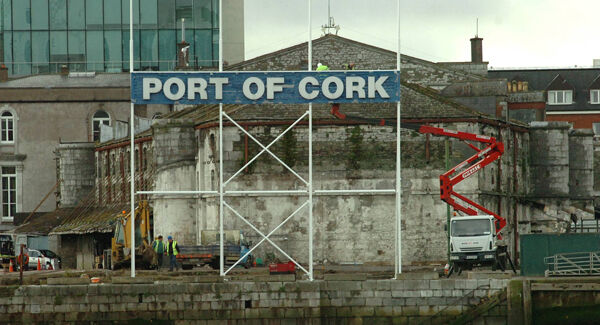
“As the greater part of Custom House Quay is now surplus to their requirements the decision has been taken to go to the market and dispose of the property for alternative future use,” say DTZ of the Port's move, quoting a guide of as much as €7m, adding “as the ‘quay’ in the lock to the centre of Cork City, there is no other property like this in the country.”
The majority of the existing buildings, including the Bonded Warehouses, “would be suited to leisure and cultural occupancy much like the CHQ facility and Guinness Store House in Dublin city, which combines a visitor and cultural centre with commercial elements such as pubs, restaurants and other commercial occupiers,” say the agents, noting “there is potential for further development on various portions of the site and certainly towards the southeast of the site, where the former warehouse premises was situated.”
CONNECT WITH US TODAY



Be the first to know the latest news and updates