No currency war, pledge G20 chiefs
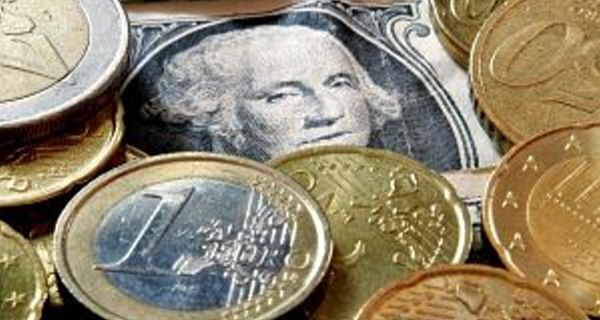
World markets climbed higher today after G20 finance chiefs pledged to avoid a currency war, lifting investors’ confidence in the economic recovery.

No currency war, pledge G20 chiefs

World markets climbed higher today after G20 finance chiefs pledged to avoid a currency war, lifting investors’ confidence in the economic recovery.

Wall Street’s Dow Jones Industrial Average started on the front foot and was up 0.6% in early trading, while in London the FTSE 100 Index added 36 points to 5778.

The meeting in Korea stopped short of setting any measurable targets, but the group of 20 major advanced and emerging nations resolved to avoid weakening currencies to boost exports – a scenario that could cause a trade war.

This added to pressure on the US dollar, which has fallen sharply in recent weeks as investors await a move from the US Federal Reserve to pump more money into the US economy.

With the weak greenback making dollar-based mining stocks more attractive to investors, Kazakhmys topped the Footsie’s risers board with a gain of 51p to 1384, while Antofagasta was not far behind with a rise of 47p to 1316p.

The recent trends for world currencies continued today with the pound up against the dollar but down against the euro after hitting a six-month low against the single currency on Friday.

Other climbers included luxury fashion house Burberry, which added 38p to 1032p after broker Investec upgraded its share target price to 1100p from 950p.

In a quiet session for corporate news, Pearson shares fell 1% despite the Penguin, Financial Times and school books publisher lifting its earnings guidance for the second time in three months. The stock fell 12.5p to 963.5p as Pearson cautioned that the fourth quarter was a crucial selling season for its education and consumer publishing divisions.

Lloyds Banking Group topped the fallers board, down 2.6p to 69.2p after Credit Suisse cut its price target on the stock.

It said the market’s consensus forecast for 2011/12 revenues was 5% too high and said that a 10% fall in residential property prices over an 18 month period could increase impairment charges by up to £5bn (€5.6bn).

The update also knocked Royal Bank of Scotland, which slipped 0.6p to 45.6p.

Outside the top flight, shares in McBride, which makes supermarket own-label products such as laundry liquids, mouthwash and toothpaste, rose 2.3% after it announced a 1% rise in sales between July 1 to October 24, even though chief executive Chris Bull admitted big brands were fighting hard for sales.

He said the promotional spree was not necessarily bad news for McBride as consumers would become accustomed to paying low prices for brands and when the average price increased again they would buy even more supermarket own label goods, which would offer better value for money.

More in this section

The Business Hub

Newsletter

News and analysis on business, money and jobs from Munster and beyond by our expert team of business writers.

Cookie Policy Privacy Policy Brand Safety FAQ Help Contact Us Terms and Conditions

© Examiner Echo Group Limited










