MEPs set to approve banking supervisory measures
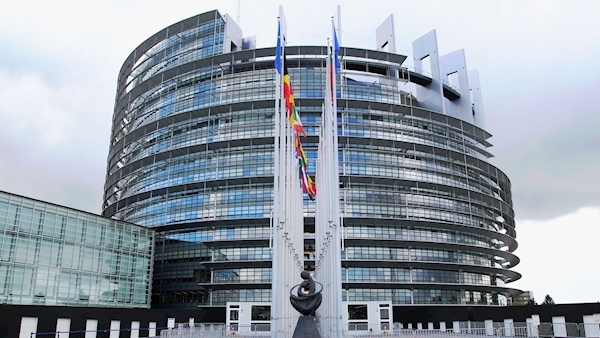
MEPs are to vote today to approve new measures tightening regulation on banks and financial institutions.
The vote in Strasbourg marks the end of months of negotiations on new financial supervision, to avoid any future banking crises.
It has already been approved by EU finance ministers and is set to come into force at the start of next year.
Independent MEP for Ireland North West Marian Harkin has said the vested interests of individual member states should not be allowed to water down EU proposals.
The UK's chancellor backed the idea, insisting that UK fiscal sovereignty remains intact, with day to day control over banks and other financial institutions staying with the Financial Services Authority, the UK national monitoring authority.
But the new accord centres on the setting up of three new financial watchdogs, to tighten surveillance of the banking, securities and markets, and insurance sectors.
The banking watchdog, the European Banking Authority, will be based in London.
The pan-European supervisory system is designed to establish close co-operation and co-ordination between national and European authorities to ensure the stability of the EU’s financial system, and close gaps in between different national regimes.
A new board made up of heads of European central banks will monitor and act against macro-economic risks as they emerge across Europe.
Labour MEP Peter Skinner, one of five MEPs who negotiated the final deal on behalf of the 736-strong Parliament, commented: “This is good news for consumers, who can now be confident that the full force of EU law is there to support them, wherever a financial services provider may base its headquarters.
“The new rules will also benefit the financial services industry.
“It is not in their interests to have national regulators applying 27 different interpretations of EU rules. Whether we’re talking banking, insurance or capital markets, regulators can no longer act in silos but will have to coordinate their work.”
Mr Osborne says the terms of the accord preserve the City of London’s competitiveness as a financial centre. During the negotiations he successful fended off efforts to oblige the UK to give Brussels advanced sight of his domestic Budget plans – ahead of Parliament.
Instead, as explicitly made clear in the agreement, the Chancellor will continue to announce the Budget to the Commons first.
But Open Europe, campaigning for EU reforms, claimed earlier this month that the new supervisory controls amount to a clear shift in power from the UK, giving EU officials a mandate to “interpret, apply and even enforce EU laws at the expense of national regulators”.
Open Europe Director Mats Persson warned: “Once established, the EU supervisors are likely to extend their powers incrementally, since the proposal is designed to allow for more and more laws to come under their authority.”

CONNECT WITH US TODAY



Be the first to know the latest news and updates