Sterling gains ease some pressure on exporters
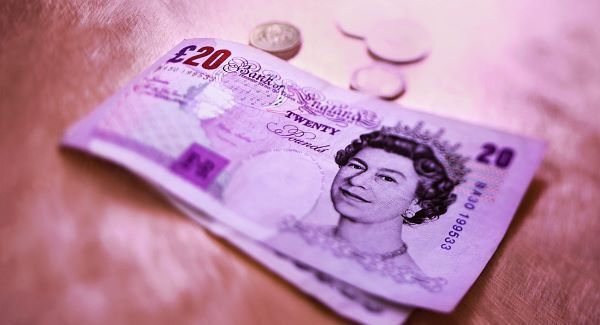
Sterling strengthened against both the euro and the dollar after UK retail sales rose more than forecast in August, boosting investor expectations that the Bank of England will raise borrowing costs in the coming months.

Sterling gains ease some pressure on exporters

The pound has rallied almost 5% against the dollar this month after the central bank’s monetary policy committee said that it could move to raise rates “in the coming months.”

Money markets are now pricing an almost 78% chance of a rate increase in November, with a hike fully priced in by next February.

A stronger sterling eases the pressures on Irish exporters selling goods and services across the Irish Sea.

“The data increases the likelihood of a hike in November as weak consumer spending has been of concern for the majority in the monetary policy committee,” said Richard Falkenhall, a currency strategist at Skandinaviska Enskilda Banken. “This sort of positive surprise will continue to support the pound. I think people have to revise the view on UK growth in a positive direction,”he said.

Sterling traded 0.4% higher against the euro to 88.4 pence. The UK currency was, however, trading as low as 76 pence on the eve of the EU referendum last year.

A Reuters poll of economists found the Bank of England will raise interest rates for the first time in a decade at its next meeting, but with a large majority saying such a move would be a mistake.

A swathe of economists in the polls completely changed tack from a survey earlier this month after surprisingly hawkish rhetoric from the central bank, which has been giving its strongest signals to date that a hike is on the way. But 35 of 47 economists polled said now was not the time to be increasing UK borrowing costs.

“If we are right on wage growth and domestic inflation pressures it might start to look as though tightening measures may have been a little premature,” said Liz Martins at HSBC, explaining that the recent, modest pickup in wages could be fleeting.

Sonali Punhani at Credit Suisse was more emphatic in a client note: “We think a rate hike in November in the backdrop of weak growth, high-currency-generated inflation but weak wage pressures and uncertainty is likely to be a policy mistake.”

Britain’s inflation rate has accelerated, mainly because of the fall in sterling’s value since the June 2016 to leave the EU. But growth has slowed sharply and is running at half the rate of the eurozone.

British inflation hit 2.9% in August, much quicker than the 2% the Bank of England targets. A majority of those polled — 31 of 50 economists — now forecast the first Bank of England rate hike in over a decade on November 2, to 0.50% from 0.25%.

“This change is not based on a revised macro outlook as ‘no-change’ remains the only policy action consistent with our growth and inflation forecast,” wrote Fabrice Montagne at Barclays, explaining the forecast change.

Huge uncertainties still surround the country’s scheduled March 2019 departure from the EU.

But economists were mostly convinced the bank wouldn’t need to ease policy before then. Other major central banks, such as the US Federal Reserve have already embarked on a tightening path while the ECB is expected in October to announce plans to reduce its quantitative easing programme.

Bloomberg and Reuters

More in this section

The Business Hub

Newsletter

News and analysis on business, money and jobs from Munster and beyond by our expert team of business writers.

Cookie Policy Privacy Policy Brand Safety FAQ Help Contact Us Terms and Conditions

© Examiner Echo Group Limited










