Hooks are out for George as outrage follows outdated views
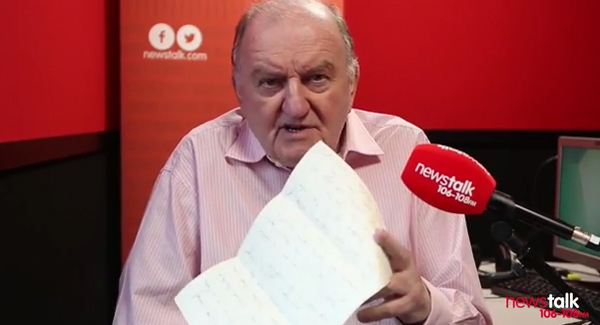
GEORGE Hook is outdated in his views. That does not mean harmlessly old fashioned to his detractors. It means misogynistic, sexist and chauvinistic, at least where the current controversy is concerned.
A more lenient criticism might be that he just works out of an outworn book of manners and morals that is clumsily and quaintly at odds with current attitudes.
It is really about changed perspectives around what is and what is not permissible in behaviour and what can be deemed provocative to a point where crime is as good as invited.
A woman without a hijab is considered immodest among some Muslims. In some extremes, anything short of the burqa is provocative, apparently.
The Muslim defence of virtue is further pursued in the ban on alcohol consumption for both men and women.
Beyond these constraints, however, it is women who are expected to provide the final line of defence, and so it is they who pay the heavy price when the moral lines are crossed.
In today’s world, extremes of restraint and permissiveness walk together along our streets and sit side by side everywhere, from TV studios to classrooms.
For now, the cultural apartheid is stable. Anyone who, like Hook, falls foul of their respective culture’s values, can expect the full weight of their culture’s condemnation, as if there was no other possible perspective.
Where Hook and his transgression is concerned, the first thing to note is that he asserts rape and rapists are an abomination and he favours tough justice for convicted offenders.
He has expressed his abhorrence without caveat, or so many would say. But yet there is a caveat. When you pass on any degree of responsibility for a crime to the victim, you remove that measure of culpability from the perpetrator.
Defending Hook by pointing out that he is saying no more than that we all need to take sensible measures to protect ourselves from opportunistic criminals flys right past the mark for his critics.
It is true indeed that the house owner who suffers a burglary having failed to activate his alarm or lock his doors will get little sympathy from the police and even less from his insurers.
Likewise, a young adult or teenage son or daughter who is mugged after wandering home along an unsafe shortcut in a drunken state will most likely find that it is they rather than the muggers who bear the brunt of parental wrath.
But these illustrations are odious to liberal opinion and only add fuel to fire.
They are oranges and apples comparisons and have exasperated those outraged by Hook’s remarks. On social media, they have exacerbated feelings to the point of frenzy.
Exercising your freedom as a western woman to behave and dress as you want, or to travel unaccompanied wherever and whenever you want, is not lowering your guard or ‘asking for it’.
If a woman takes the social liberties allowed to men, that does not and should not either mitigate the gravity of any offences committed against her or suggest she has put herself in the way of trouble like the careless burgled householder.
That is what George Hook does not get. He is not alone, it must be said.
In the early 20th century, the writer Simone de Beauvoir found herself, without her paramour, Jean Paul Sartre, in a teaching post in the south of France.
She was determined not to be hemmed in by prevailing norms of what was and what was not considered safe for an unaccompanied female.
Her determination to indulge her passion for extensive, solitary, hill-walking caused something more than surprise among her new acquaintances. There was a sense among them that her recklessness amounted to moral abandon. It set her apart in the community.
De Beauvoir has been described as one of the grandmothers of feminism and today, her frontier-busting granddaughters and great-granddaughters are claiming the same liberties, not as privileged, solitary trailblazers but en masse as a whole generation.
They, too, want to ramble freely in urban hot spots, not to mention rural wastes, without being accused of presenting themselves as prey to male libidos off the leash.
George Hook raises questions around the modern phenomenon that is ‘rape culture’.
Essentially, he is looking at the issues of alcohol culture and promiscuity culture as underlying factors to be addressed rather than merely representing an equality of social and
recreational parity of freedom for women that cannot be challenged.
His questions and comments challenge the idea that restraints on behaviour should have nothing to do with gender.
While alcohol abuse and promiscuous behaviour can also make men vulnerable to attack, including sexual attack, it is women who are most likely to be victims when opportunity presents.
Can someone like George Hook make a plea for prudence and pragmatism without attacking a principle? Those with the media megaphone think not.
The hooks are out for George.
It was unacceptable to suggest in any way that blame could be attributed to victims of rape.
— George Hook (@ghook) September 9, 2017
CONNECT WITH US TODAY



Be the first to know the latest news and updates











