Retail sector protection urged as sales stay volatile
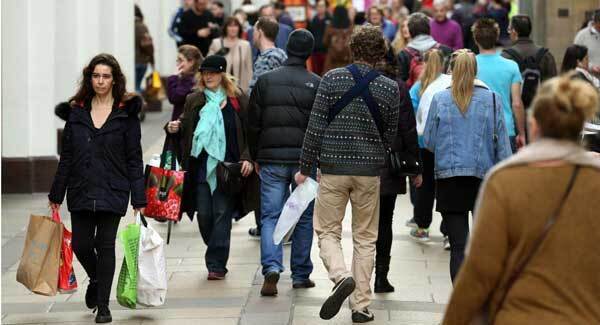
“As Budget 2018 approaches, we call on Government to support the retail sector to help stimulate growth and employment,” said Isme chief executive Neil McDonnell.
“This can be done by reducing the Vat rate from 23% to 21% in October’s budget. Retailers also need greater help with establishing online trading platforms to compete with UK retailers.
“As sterling continues to depreciate, the retail sector is particularly vulnerable to price squeeze, with consumers looking to online UK retailers for goods.
“This is a cause for real concern. The retail sector plays a crucial role in the Irish economy, employing 285,000 people across the country,” he added.
Latest CSO figures, published yesterday, showed an 11.9% monthly rise in retail sales volumes in July, with 2.1% growth on an annualised basis.
The monthly headline figure is up from a 4.3% decline in June. When car sales are taken out of the equation, core retail sales volumes actually fell by 0.2% in July but rose by 7% on a year-on-year basis.
A surge in car imports from the UK on the back of the weakness in sterling was also a drag on the slow 2.1% headline growth figure.
Retail prices, meanwhile, fell by 3.5% — driven by the euro’s strength against sterling — marking the sharpest pace of decline in seven years.
“Retail sales remain erratic on a monthly basis and are still swinging back and forth, but the underlying trend is positive,” said Alan McQuaid, chief economist at Merrion Stockbrokers.
“While most attention has been on car sales in the past couple of years, personal spending in other areas has picked up over the same period and is becoming more broad-based,” he added.
Mr McQuaid sees personal spending growing again this year, on a whole, and being supported by the continued fall in unemployment.
“Excluding motor trades, a higher retail sales rise than 2016 is anticipated. Taking all the factors into account, we are now forecasting headline retail sales volume growth of 2.5%-3% in 2017.”
Meanwhile, core sales are projected to be 6%-6.5% higher in the year,” he said.
“Similar downward pressure on prices from sterling’s ongoing weakness could lead us to revise up our forecast for 2.7% consumer spending growth in 2018, premised on inflation accelerating to 1.6%,” said Conall Mac Coille, chief economist at Davy Stockbrokers.