Fears ease that ECB will hike rates before 2019
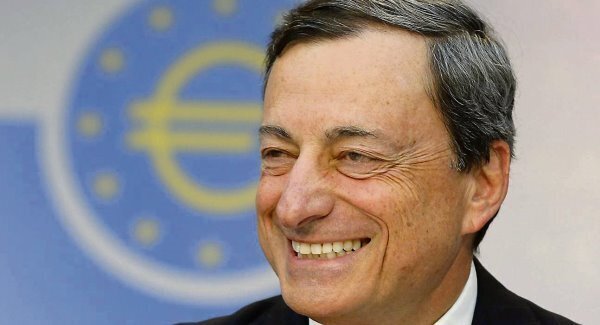
The comments by Mr Draghi in a speech earlier this week were interpreted by markets as meaning the ECB could pull back its €60bn-a-month bond-buying support because the eurozone was expanding at a fair clip. That initially sent the euro racing higher against sterling and the dollar.
However, the euro fell back yesterday as vice president Vitor Constancio scrambled to set the record straight, saying the remarks were “totally” in line with existing policy and that the response by investors was hard to understand.
Mr Constancio’s comments stressed that inflationary pressures remain subdued even amid an economic upswing that should already be pushing up prices and wages.
He cited ECB research showing a broader measure of joblessness, including those who want to work more hours but can’t, could be as high as 18%, almost twice as high as the official rate.
Economists believe that the clarification means the ECB will not start contemplating raising interest rates before 2019.
Despite the initial fright caused by Mr Draghi’s comments, the ECB has “a lot to unravel before it considers a rise in the base rate”, said Investec Ireland chief economist Philip O’Sullivan.
“Even when it starts [raising rates], it will be very gradual,” Mr O’Sullivan said, as Investec Ireland released its latest report on the outlook for the Irish economy.
Capital Economics in London predicted that while the US will likely raise interest rates two more times this year “the ECB will probably not start tapering its asset purchases until next year and will leave interest rate on hold and negative until 2019”.
Meanwhile, the Bank of England “looks likely to leave policy settings unchanged until the middle of next year”, it said.
In its latest outlook, Investec Ireland said that the Irish economy found itself in “very good shape”, as the Brexit talks get under way.
Citing a 10% increase in exports and an increase in most types of retail businesses, there has been “a very, very strong performance since the start of the year despite the Brexit-related currency headwinds”, Mr O’Sullivan said.
It left its forecast for GDP growth unchanged from its previous projections, at 4.6% this year and at 4% in 2018.
However, amid supply shortages, house prices will continue to rise sharply, by 7% this year and 6% in 2018.
That means that by the end of 2018, the average cost of a home in the State will be €250,000 and in Dublin cost €365,000, Investec estimates.
Mr O’Sullivan said the CSO data reveal that apart from the sale of new cars, which have been hit by a surge in imports of used cars, that most retail businesses were posting “healthy growth”.
CSO figures for May showed the volume of retail sales surged 7.3% from a year earlier, when motor sales are excluded.
Mr O’Sullivan said there was some suspicion in the retail figures that UK furniture retailers were “dumping stock” in the Republic that they couldn’t sell in Britain as the economy slows there.
Sales of furniture and lighting had climbed by over 16% in volume terms in the year, the CSO figures show.
CONNECT WITH US TODAY



Be the first to know the latest news and updates










