European Commission accused of unevenly enforcing deficit rules
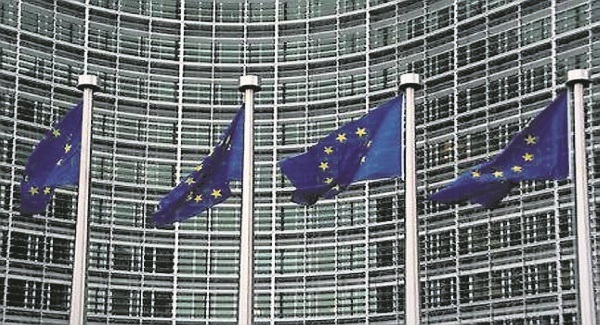
In a report published yesterday, the European Court of Auditors said the EU’s rules, which were tightened up during the financial crisis, have “not proved fully effective” in reducing debts and encouraging reforms across the EU.
The report contrasts with the European Commission’s new emphasis on flexibility in EU debt and deficit rules, part of its bid to promote investment and boost domestic demand.
EU rules say national annual budget deficits of member states should be under 3% of GDP, while gross debt burdens should not exceed 60% of GDP.
Countries that flout the rules are placed under extra surveillance, known as “the excessive deficit procedure” and asked to meet strict debt-reduction targets.
The auditors said the Commission has deviated from the rules over the last seven years, and has not used “sufficiently objective arguments” when checking whether EU countries met their targets.
They said that with Italy and France, in particular, the Commission had used a “high degree of flexibility and discretion”.
Last year, France’s deficit deadline was extended to 2017, despite the fact that the country was “not on course to meet any nominal or structural indicators”, said auditors, a result that should have led to a rap on the knuckles.
The report also pointed to the fact that Italy has not been censured, despite having the second-highest gross debt in the EU, and being in breach of the EU’s debt-reduction rule.
The report also points to the fact that EU governments have had an undue influence on the process, pointing to the case of Cyprus in 2010.
“I would not argue the Commission was ‘political’, but you could say that the Commission was not enforcing the procedure to its full extent,” Milan Martin Cvikl, the EU auditor who authored the report, told the Irish Examiner.
“The Commission was not implementing its own rules, or departed from those rules, and we have difficulties to understand why.”
Ireland is technically still under an excessive deficit procedure — EDP — but is due to exit it this spring, as the latest Commission forecasts show the deficit was only 1.8% of GDP last year.
Department of Finance figures show the amount it has collected in tax revenues is ahead of target this year.
“Fortunately, developments in the Irish economy and fiscal position have meant that Ireland is not expected to be one of the countries subjected to the EDP in the coming years,” said Kevin Cardiff, Ireland’s representative on the European Court of Auditors and former Department of Finance secretary general.
“However, it is important to all EU member states that the overall process works well and that emergent fiscal or macroeconomic problems are identified and addressed in a timely manner.”
The Commission said it was “committed to equal treatment of member states” and that it has “taken action to ensure the consistent application of rules and will continue to do so”.
The court looked at the application of the rules from 2008 to 2015 in a sample of six countries: Germany, Italy, France, Cyprus, the Czech Republic, and Malta.












