WikiLeaks bolsters case for Greek debt relief
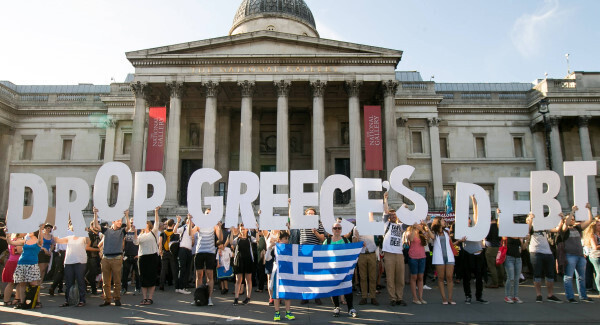
Yet the economic case for forgiving that country’s debt is straightforward: Without relief within a comprehensive reform programme, Greece will struggle to grow, unemployment will remain high, and the turmoil will continue to periodically challenge the functioning of the eurozone.
The political calculus is a lot harder, however.
Even the window opened by Europe’s refugee crisis is failing to provide a sufficient catalyst for change.
If that continues, Greece could end up an element of a much larger threat to the integrity and the performance of both the eurozone and the EU.
Debt forgiveness is never granted easily, and with good reason. Even when it is a financially viable solution, the concept raises fundamental issues of fairness and incentive-compatibility.
Why should a deadbeat debtor be granted relief when others have laboured to pay off their debt?
What about the creditors who worked hard to earn the money that they lent; why should they be punished? These are legitimate economic questions.
Here is the economic argument: Beyond a certain point, high indebtedness does more than crush directly the recovery efforts of the debtor.
It also inhibits new capital from coming in, as fresh providers rightly worry about being contaminated by what is already an excessive existing liability.
Historical examples include the hard lessons of Latin America’s ‘lost decade’ of the 1980s.
The comprehensive debt relief that finally came at the end of the decade and in the early 1990s was too late to avoid misery, especially for the poorest citizens.
There also is the example of poor countries in Africa, which benefited from a co-operative global Debt Initiative for Heavily Indebted Poor Countries in the mid-1990s that allowed a notable pickup in their growth, investment and poverty alleviation.
Primarily because of decisions made in the earlier bailout programmes for Greece, the bulk of the country’s debt is now owed to other European countries and their official institutions.
Many had thought that the refugee crisis would make easier the political approval of this economically necessary, though difficult decision.
After all, Greece has been in the forefront of the crisis, hosting — under extremely difficult conditions — hundreds of thousands of refugees who are looking to settle elsewhere on the continent.
But this window has proven hard to exploit given the deep divisions within the EU that have been exposed by the crisis.
CONNECT WITH US TODAY



Be the first to know the latest news and updates