Bruised UK landlords face new loans blow
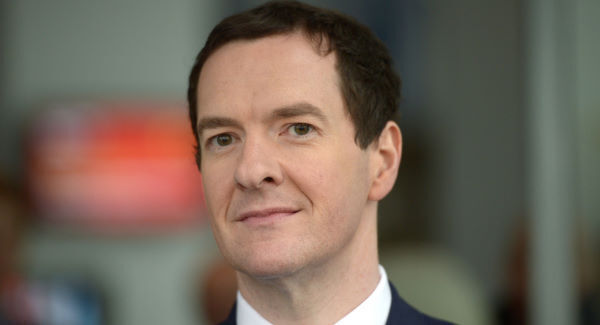
Chancellor of the Exchequer George Osborne told lawmakers in October that Bank of England will get powers to regulate the so-called buy-to-let market as soon as possible.
The central bank may move as soon as a meeting later today of the Financial Policy Committee to curb lending for rentals, according to Morgan Stanley analysts.
“If they do something, it will probably be along the lines of an equivalent to the LTI — loan to income — cap they put in place for residential mortgages,” said Philip Rush, an economist at Nomura International. “The pressure has been removed by some of the other measures” that have been taken.
Governor Mark Carney moved to limit the riskiest loans to home owners last year by setting loan-to-income limits for some mortgages.
Lending to landlords soared afterwards, leading Jon Cunliffe, the Bank of England’s deputy governor for financial stability, to warn that investors could amplify an adverse shock to the housing market because they might seek to sell their rentals.
The stock of UK mortgage lending for buy-to-let has increased to £200 billion ($283.7bn) from £65bn in the past decade and is growing by about 9% a year, Morgan Stanley said. The loans represent 16% of all mortgages and accounted for 80% of net lending over the past year.
Borrowers are often required to only pay the interest each month. Buy-to-let lending’s growth as a proportion of lending and falling mortgage spreads for landlords may prompt the BoE to take action. The central bank may also opt to tighten underwriting standards.
Amid fears rental owners were pushing up house prices, Mr Osborne last week hiked the stamp duty tax paid by investors by three percentage points. The mortgage-interest tax break is also being cut to the basic rate starting in April 2017, he said in July.
Buy-to-let was attractive for landlords because they received as much as 45 pence back for every pound of mortgage interest they incur. That helped boost expense claims by UK landlords to £11.6bn in the 2013 to 2014 tax year, according to a Freedom of Information Act request. That’s almost £520 million more than a year earlier.
Landlords were attracted by annual returns from rental income and value gains of almost 12% in England and Wales in the 12 months through October, according to LSL Property Services.
That compares with a total return of almost 6% from UK government bonds and 1.1% from UK equities in the same period.
Limiting buy-to-let lending will affect the wider housing market, according to Annabel Schaafsma, a managing director of structured finance at Moody’s Investor Services.