No choice over budget cuts, says advisory body
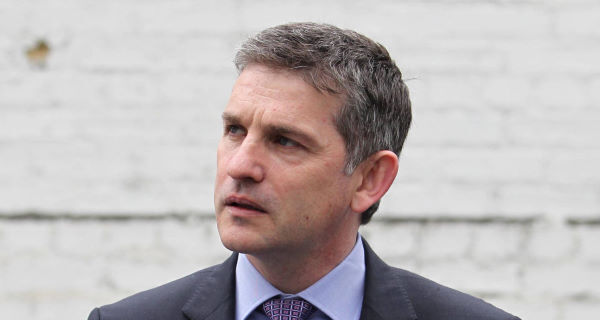
“The Government had no choice but to do the budgetary adjustment as a default would have occurred otherwise,” said John McHale.
Speaking at the launch of IFAC’s seventh Fiscal Assessment Report, Prof McHale said it was not the role of the council to advise on the best policy mix needed to reduce the budget deficit below the 3% target agreed with the troika.
However, if the austerity measures had not been taken, it would have resulted in even greater austerity because the country would have been faced with even tougher financing conditions.
In its latest report, IFAC highlights the effects of ‘contract manufacturing’ on the economy. Because of confidentiality agreements in preparing the national accounts, it is not known which multinationals are engaging in ‘contract manufacturing’ or in what sectors of the economy. This involves the outsourcing of manufacturing to other countries.
However, the sales of these products are booked in Ireland, which increases the overall level of net exports and consequently the size of Ireland’s GDP. In recent years, this was offset by royalty payments. But this has not happened over the first half of 2014 as Ireland’s net exports were much higher than other countries, said IFAC economist, Eddie Casey. Consequently this added 2.5% to GDP between 2013 and 2014.
Moreover, it is not known whether this is a one-off effect or whether ‘contract manufacturing’ will skew GDP figures over the next few years, added Mr Casey.
Overall the economy is mowing in the right direction with a broad-based recovery under way, said IFAC. However, there are a number of criticisms of the Government in the report.
For example, if growth over the course of 2015 disappoints by as little as 0.5% then the Government would be in danger of missing the 3% fiscal deficit target. If growth disappoints by 1.5%, the deficit would not fall and the Government would have to introduce further cuts over subsequent budgets.
In its report, the council said that the revenues from the establishment of Irish Water had been expected to improve the public finances from 2015 onwards.
However, the start-up costs and well as the level of infrastructure investment needed means that there will be no savings made arising from the introduction of water charges in the short term. Moreover, the overall net gain to the exchequer from Irish Water is now likely to be a lot lower than originally expected.
Furthermore, if Irish Water fails the EU corporate test and the Government is not allowed to keep it off balance sheet, then its borrowing would be added to the general deficit. If the borrowing was greater than €600m, it could lead to the forecast deficit of 2.7% being pushed above the 3% excessive deficit procedure ceiling.
IFAC also criticised the Government’s failure to produced a detailed breakdown of revenue and spending estimates between 2016-2018.
It noted that the published figures did not take account of commitments to reduce the tax burden and pressure on expenditure, particularly in health and education, arising from an increase in the population.

CONNECT WITH US TODAY



Be the first to know the latest news and updates