Irish power ‘should focus on gas’
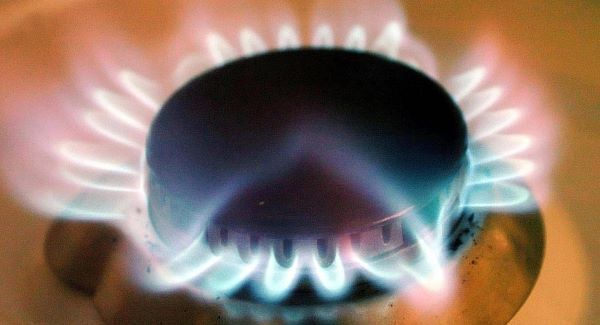
They argue we need switch to natural gas for electricity rather than more expensive wind energy.
According to the Irish Academy of Engineering, the priority for Ireland’s energy sector and economy over the next five years is to “achieve significant cost reductions” so we can keep all business costs down, particularly in the export sector.
The group says Ireland has “over invested” in the power industry and has not slowed investment even though energy usage has fallen. They say no additional electricity generating capacity will be required for the next 10 years and therefore, we should instead switch investment to energy conservation through an enormous national insulation project. This would, in turn, create construction jobs.
The report, Energy Policy and Economic Recovery (2010-2015), states that an international gas ‘revolution’ has taken place in recent years as new technology has led to “vast new reserves” being found. As a result, there is a ‘glut’ of natural gas on the market and prices are expected to remain low for the most of the decade.
The report states: “The opportune coincidence of the unexpected availability of cheap natural gas and a large and efficient fleet of Irish natural gas-fired plants in which it can be burned must not be wasted. Irish electricity policy for the next five years should rely on this fortunate combination of circumstances.”
The report says Ireland’s energy policy will hinder our return to competitiveness, as capital costs will add substantially to the costs of the proposed level of wind-powered generation.
The Sustainable Energy Ireland Authority (SEIA) disagrees, saying their recent research showed the increase in Irish wind-generated electricity this year looks set to reduce the wholesale price of electricity.
SEIA chief operating officer Brian Motherway said: “We would also be concerned about placing all our eggs in the one basket — the natural gas sector — as we do not know that the price of gas will remain low. Wind energy is also free once the infrastructure is developed and is an indigenous electricity supply as opposed to imported fossil fuels which are vulnerable to volatility and which cost us billions to import.”