David McNamara: Signs the US economy is losing momentum
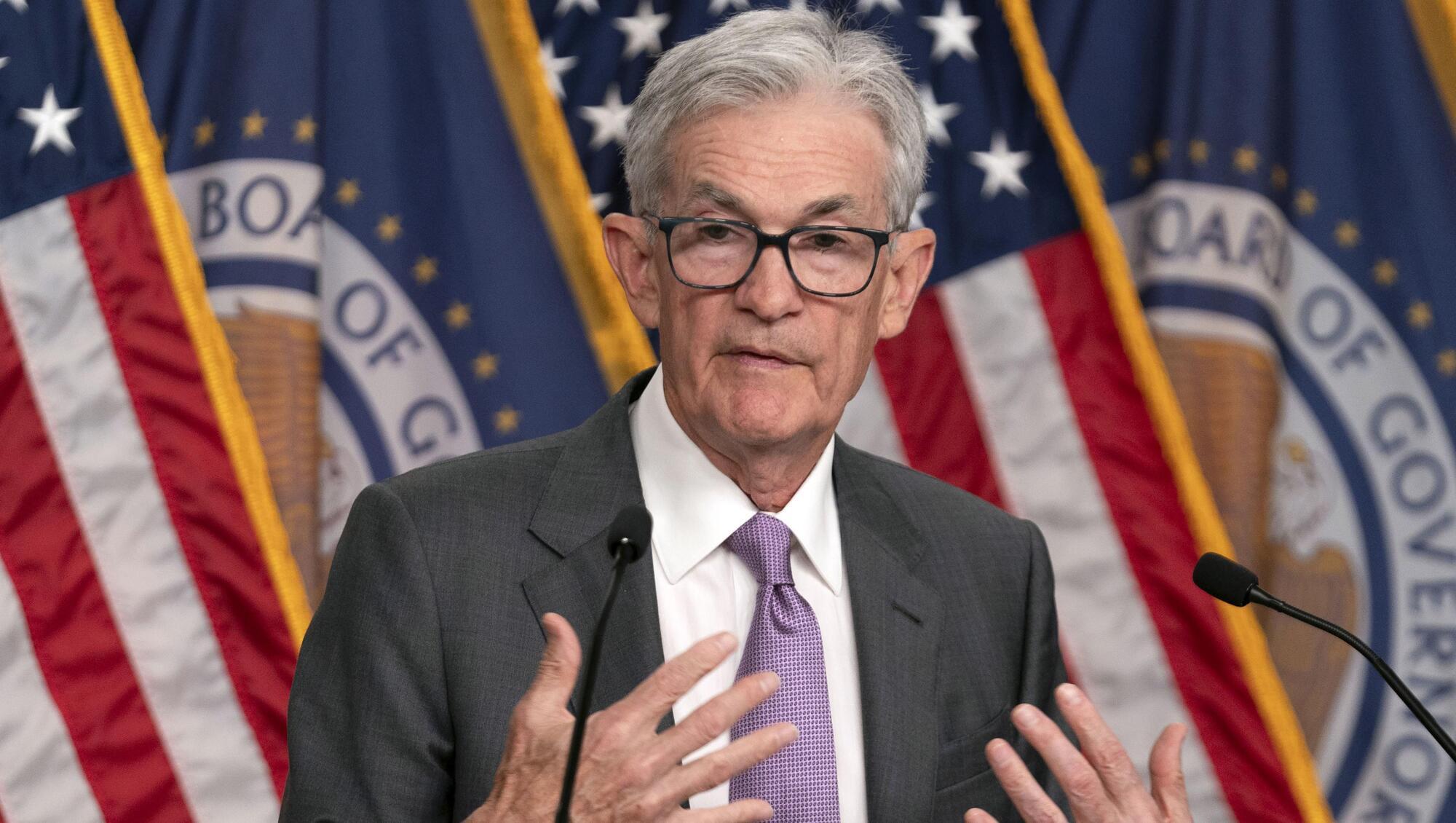
Fed chair Jerome Powell will have to reveal its strategy when it publishes its latest “dot-plot” after the next Federal Open Market Committee meeting on March 19th. (Picture: AP Photo/Jose Luis Magana)
In what was another week of volatility on currency markets, driven once again by US president Donald Trump’s comments, there now appears to be an underlying weakening trend in US data, which has weighed on equites and underpinned a recovery in bonds.
While further promises of tariffs on the EU has negatively impacted the euro in recent days, the currency had recovered some ground against the dollar of late, rising from $1.02 at the beginning of February to a peak of above $1.05, before retrenching back to $1.04, as tariff concerns took hold once more. Eurozone data has been trending slightly stronger, but dollar weakness had been the key driver of the euro rally, as investors digested a series of weak US data points on the economy.
Last week’s conference board measure of US consumer confidence was the latest such data point, with the monthly decline the most since August 2021 as some respondents cited trade and tariffs as factors in the fall in confidence in February. Alongside the earlier Michigan consumer survey and weak purchasing managers' indexes (PMIs) for February, recent US data has tipped the much-watched Citibank ‘economic surprise’ index into negative territory for the first time since September 2024, amid the Fed’s first bumper 50bp rate cut.
With recession risks emerging as a theme for investors once more, all eyes will now be on the hard data from industry sectors and the labour market for signs that the sentiment downturn might be translating into weaker output growth. Current consensus polls suggest US GDP growth will slow to about 2.2% from 2.8% in 2024, with no sign as yet of a further mark-down in near-term forecasts.
While bond and swap markets are reflecting potentially weaker US growth and more rapid cuts by the Fed, there also remains a stagflationary risk, particularly if Mr Trump follows through on the promised tariffs. This risk has also been reflected in the recent consumer surveys, with inflation expectations rising rapidly, suggesting the early actions of the administration are feeding through quickly to household sentiment. This could, in turn, place the Fed in a difficult position if the market moves too far ahead of its current position on rate cuts, while inflation expectations diverge from trend.
Recent comments by Fed chair Jerome Powell suggest policymakers are happy to sit on their hands for now, but the Fed will have to reveal its hand when it publishes its latest “dot-plot” after the next Federal Open Market Committee meeting on March 19th.