David McNamara: As US innovates and China imitates, Europe (de)regulates
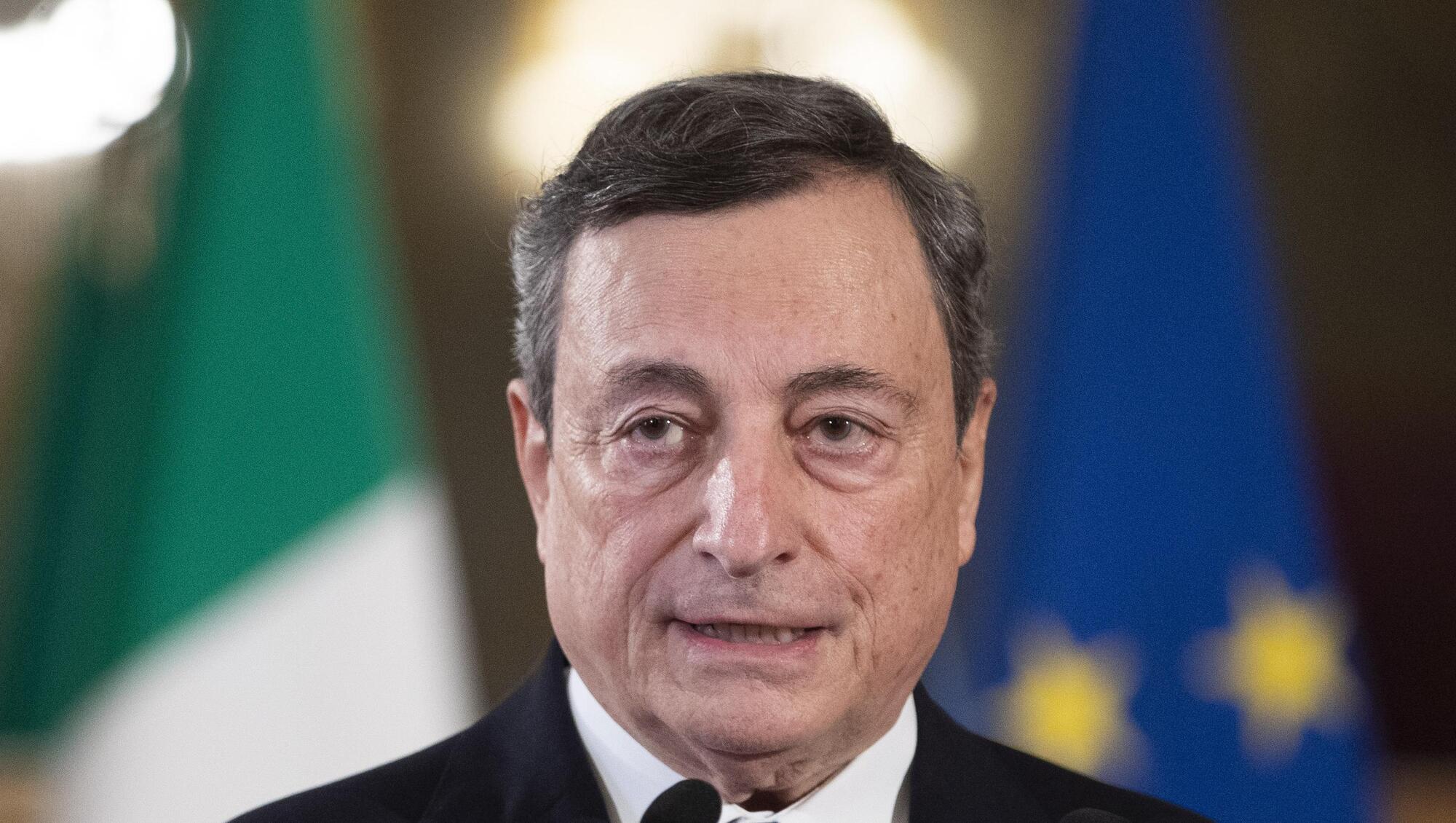
The recent Mario Draghi competitiveness report laid out the challenge starkly, that the EU’s industrial policy, regulatory structure, and disjointed capital markets are not fit for purpose in the current global environment.
Markets have been roiled over the past week, initially as the release of the Chinese-developed AI model DeepSeek saw a sharp sell-off in AI-exposed stocks.
However, there quickly followed accusations that the Chinese developer had inappropriately used the market-leading OpenAI’s intellectual property in the development of its lower-cost DeepSeek model. The episode plays to the old maxim that the “US innovates and China imitates”.
This was followed by a further sell-off as the extent of Trump’s tariffs on key trading partners caught investors off guard.
However, lost amid the geopolitical skirmishes is a potentially significant shift in EU industrial policy, seeking to shed its image of “Europe regulates”, amongst the three major economic blocs.
With the EU in the crosshairs for Trump’s next round of tariffs, the European Commission must act with urgency to implement the measures to kick-start the moribund economy.
Europe is at a crossroads in terms of its economic performance, with growth diverging sharply from the US in recent years, depressed by the poor performance of the German economy, in particular.
Indeed, Eurozone GDP data showed a weak 0.7% gain in GDP last year, compared to a 2.8% rise in the US.
This partly prompted the ECB to cut rates by a further 25 basis points last week, with ECB president Christine Lagarde highlighting — once again — that risks to the growth outlook are tilted to the downside, while the Fed held steady, noting the robust domestic US growth picture.
The recent Mario Draghi competitiveness report laid out the challenge starkly, that the EU’s industrial policy, regulatory structure, and disjointed capital markets are not fit for purpose in the current global environment in which other nations are proactively supporting national champions in the private sector, and aggressively applying trade restrictions to global partners to win market share.
A recent example is the surge in Chinese automotive production and exports, which has upended the once-dominant German car industry.
As the new European Commission beds down, president Ursula von der Leyen this week presented her initial plan to implement the Draghi recommendations to boost EU growth in the coming years.
The so-called “Competiveness Compass” marks a shift in tone, if not yet policy, in seeking to reduce red tape and boost innovation.
Measures include EU-wide rules to support start-ups as an alternative to fragmented national regulatory systems, measures to entice M&A and reduce energy costs.
First off will be a move to simplify legislation for sustainable finance and tax rules, which have become onerous for EU firms, followed by detailed plans in other key areas of energy and AI.
So, big on promise but light on detail thus far, but policymakers have at least admitted there is a growth problem in Europe, and Trump might be the catalyst to act.
The plan could mark a turning point for the European economy if von der Leyen can convince the key member states to back the measures and push through some difficult reforms over the five-year term of the Commission.
- David McNamara is chief economist with AIB