David McNamara: Keeping bond markets on the QT?
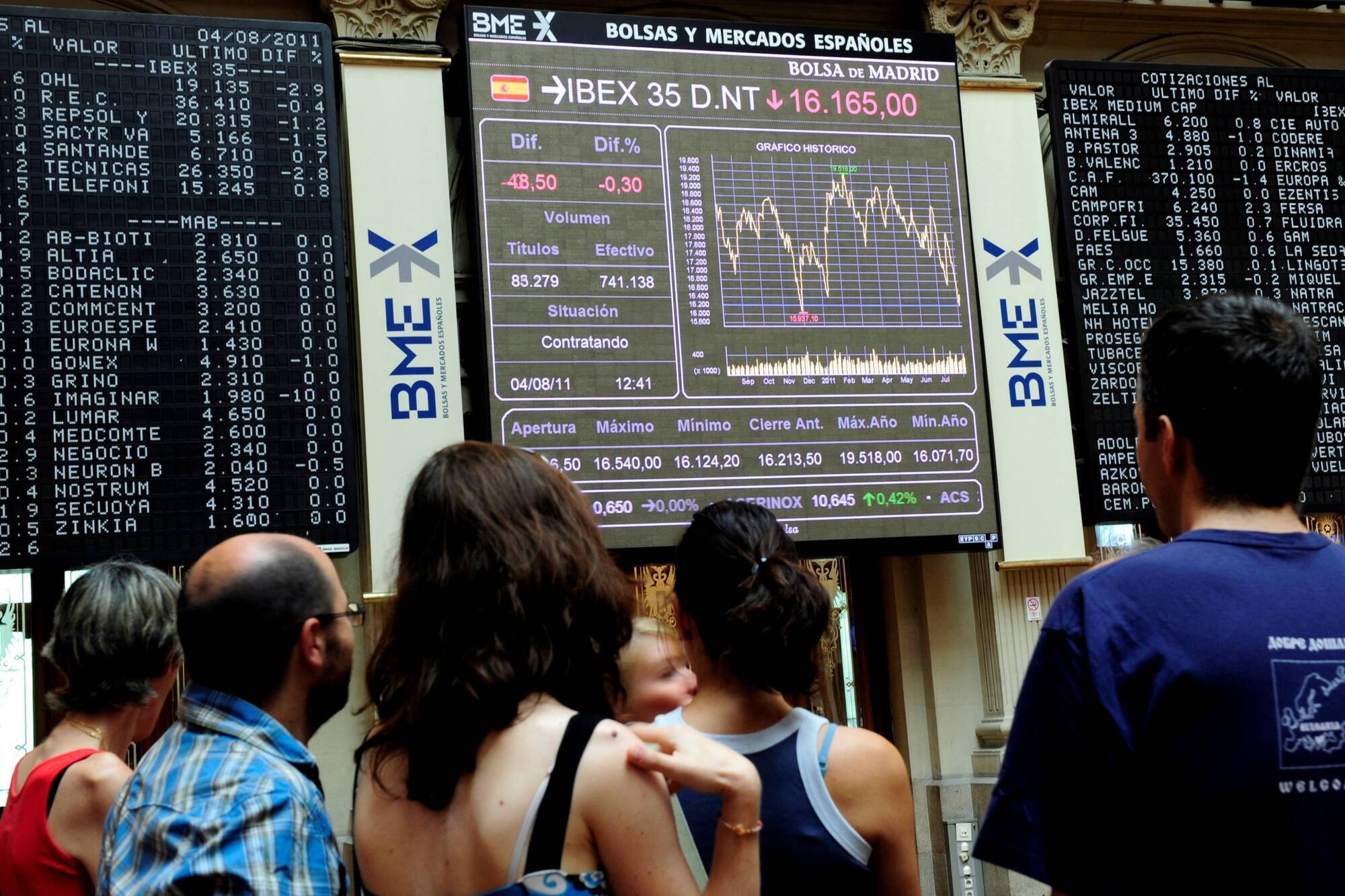
Bond markets are now adjusting to the relatively new environment of quantitative tightening
David McNamara: Keeping bond markets on the QT?

The ECB also completely discontinued re-investments under its bond-buying programme at the end of 2024.

In the run-up to President Trump’s inauguration, global bond markets have experienced heightened volatility, as investors have priced in policy uncertainty and the potential for higher-for-longer inflation. 

Following the sharp rise in government yields, the past week has seen something of a relief rally in bonds, with yields lower in recent days. The US 10-year Treasury has fallen by nearly 15 basis points over the course of the week, with similar declines in UK gilt yields. 

The underlying theme here is bond markets are now adjusting to the relatively new environment of quantitative tightening (QT), driving heightened volatility, with central banks no longer the marginal buyer in the secondary markets.

Since the major central banks embarked on QT in 2022, their balance sheets have shrunk significantly. In the US, the Fed has reduced its balance sheet from nearly $9trn in 2022 to a current $6.9trn, albeit, it has slowed the pace of its QT programme in recent months. 

The ECB has also proceeded at a steady pace, reducing its balance sheet to the current €6.4trn, from a peak of €8.7trn. The ECB also completely discontinued re-investments under its bond-buying programme at the end of 2024. The Bank of England has adopted a similar approach.

This leaves bonds more exposed to the vagaries of the market, highlighted by the recent events in the UK, which has heaped pressure on the new British chancellor ahead of her next fiscal statement in March. 

Growing debt burdens across major developed economies (France, UK, Canada), in particular, have also garnered the renewed attention of investors amid an increasing issuance flow by public debt agencies. 

In this context, nations running both large fiscal and current account deficits — again the UK is a prime example — which rely on the ‘kindness of strangers’ are particularly exposed to sudden shifts in investor sentiment. 

Indeed, the Bank of Canada has announced plans to pause QT in the first half of 2025, making it one of the first major central banks to signal an end to its QT program.

While yields have settled back down for now, the recent events highlight a new market fragility in the current uncertain policy environment. 

Looking ahead, central bank policy and geopolitical risks could continue to spur further volatility in the coming months, and might force other central banks to reassess their QT plans.

David McNamara is Chief Economist with AIB

More in this section

Cookie Policy Privacy Policy Brand Safety FAQ Help Contact Us Terms and Conditions

© Examiner Echo Group Limited