Oliver Mangan: Markets start to price in rate cuts for this year
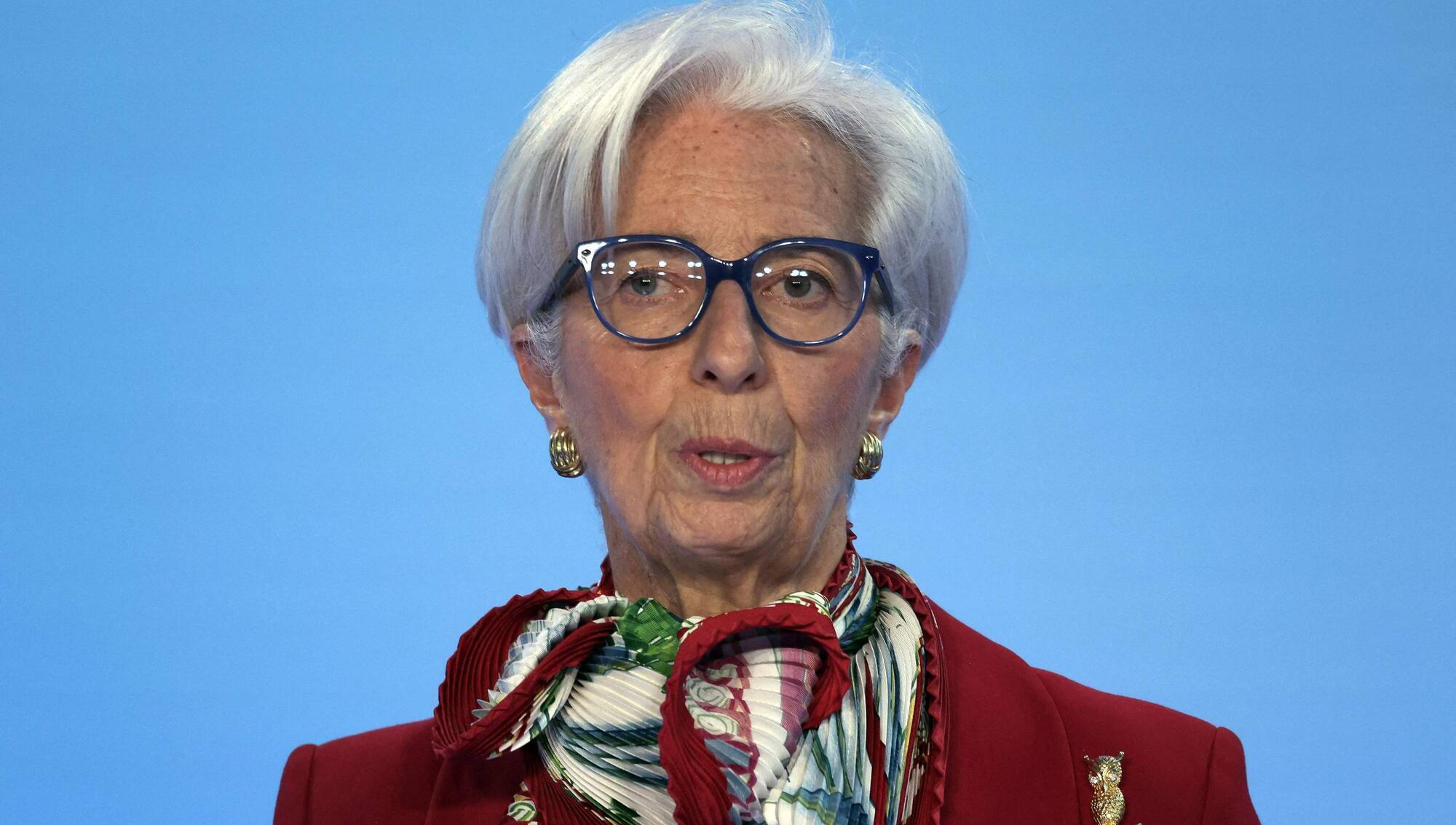
European Central Bank president Christine Lagarde warned the tensions seen over the past couple of weeks are not trivial.

The stresses that have emerged in parts of the global banking system, and the associated volatility this has generated on financial markets are now weighing on central banks' monetary policy decisions. The US Fed, in particular, is clearly worried about the economic implications, having mulled over not increasing rates at all, at last week’s policy meeting.
Nevertheless, it and three other major central banks still went ahead and increased rates over the past fortnight. However, it now seems that we are nearing the end of the rate hiking cycle, with just some modest additional tightening likely in the next couple of months and rate cuts starting to be priced in by markets for later in the year.
Meantime, we have already seen a tightening of financial market conditions and lending standards for loans over the past year. This could be accentuated by the tensions seen in the banking system in the past fortnight. The US Fed expects that recent developments are likely to result in tighter credit conditions for households and businesses, and will weigh on economic activity, employment, and inflation. It added the extent of these effects is uncertain, but Fed Chair Powell opined they could easily have a significant macroeconomic impact.
Those US banks which are less confident about holding on to their deposit base will be more reluctant about continuing to lend at the same pace as previously. This comes on top of an aforementioned tightening in lending standards. Indeed, some commentators now believe the stresses in the banking system could morph into a credit crunch in the US.
ECB President Christine Lagarde has also warned that the tensions seen over the past couple of weeks are not trivial and will not be without repercussions. She noted the euro area economy could be facing a potentially less favourable economic environment due to lower growth, with weaker loan demand and higher bank funding costs also.
Meanwhile, the OECD in its latest update, observed that higher interest rates could continue to expose underlying financial vulnerabilities, with potential for rising loan defaults, most notably in weaker low-income countries, where signs of debt distress are becoming increasingly evident. Broader financial contagion, though, from recent events has been limited so far, with central banks noting that the banking system remains strong in terms of its capital and liquidity positions.
The rapid withdrawal over the past year of the very loose monetary conditions in place for the previous decade was always likely to cause problems in parts of the financial system as mismanagement and bad investment decisions were exposed when rates rose. The job of central banks has become even more difficult as they seek to bring down inflation, maintain financial stability, and avoid excessive damage to the real economy.
However, recent events will have a deflationary impact on economies. Oil and gas prices have fallen further, and are now well below the levels that prevailed ahead of the Russian invasion of Ukraine. Global food commodity prices are continuing to fall. Forecasts of 3% CPI rates by the end of the year are becoming more common, with expectations of further falls in inflation in 2024. An improving inflation outlook, as well as the likely negative impact on activity from recent financial events, supports the much lower trajectory for interest rates evident in the past fortnight.