Oliver Mangan: Covid leaving deep scars on Irish economy, but glass still half full, not half empty
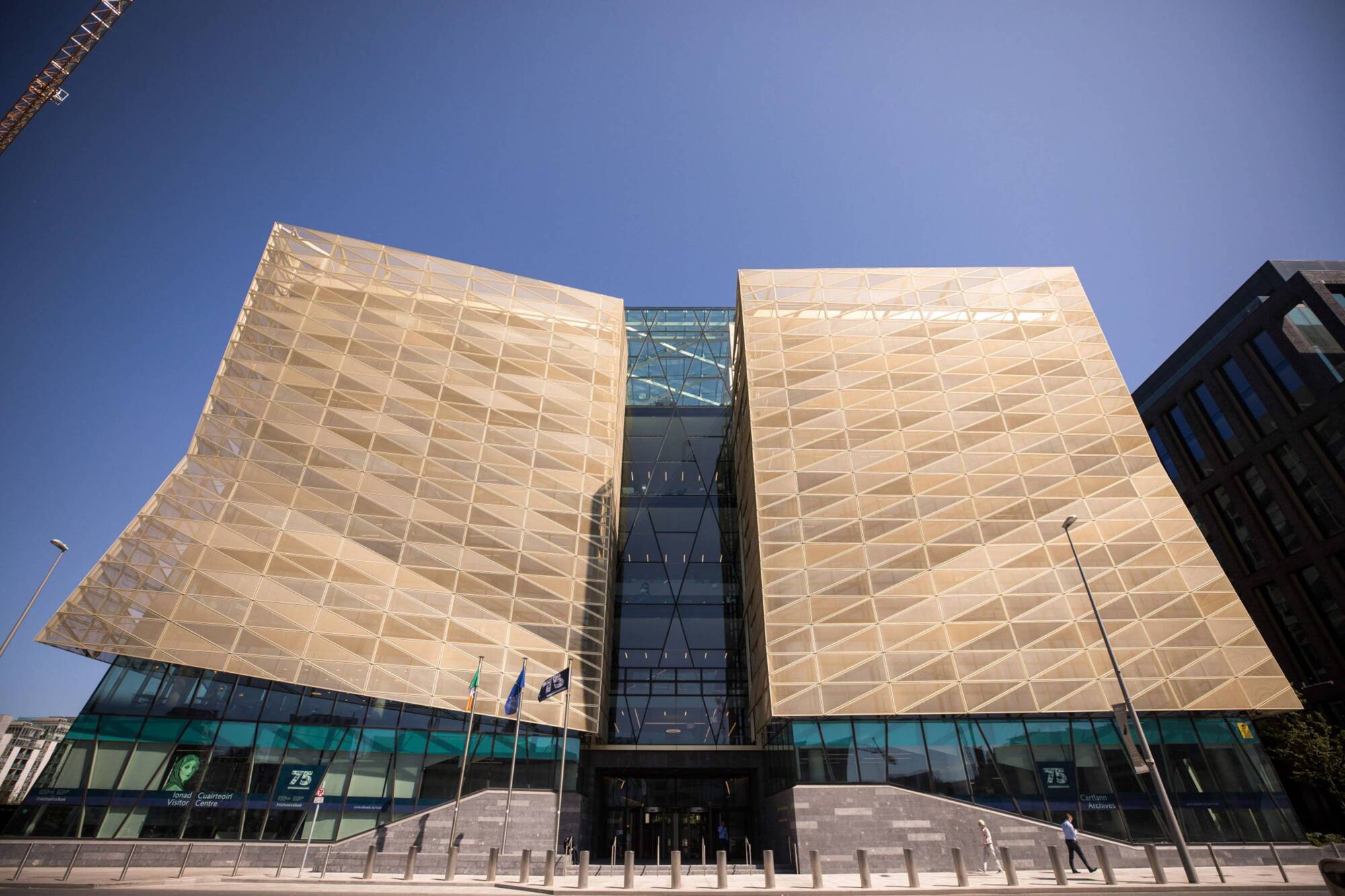
The Central Bank expects the economy to grow strongly despite unemployment and housing remaining key concerns.

The past couple of weeks has seen updated forecasts published by both the Central Bank and the ESRI on the prospects for the Irish economy. Both strike very upbeat notes for a broad-based, strong recovery in activity, with significant upgrades to their previous forecasts published only three months ago. The ESRI sees GDP growth at 11% this year, with the Central Bank at 8.3%.
Robust growth is forecast to continue next year, with GDP predicted to rise by 6.9% and 5.4% by the ESRI and Central Bank, respectively. Further strong growth is expected in 2023. A very strong export performance is expected this year, and the domestic economy is also starting to pick up.
There are a number of reasons for the forecast upgrades. The Irish economy performed better than expected in the opening quarter of the year, most notably in terms of exports, and a successful vaccination programme has laid the basis for a sustained and robust recovery.
The external environment is also improving, which augurs well for Ireland’s large export base. Supports will also remain after the economy has reopened.
The Covid crisis, though, will leave scars on the Irish economy. It has already resulted in big increases in the budget deficit and public sector debt.
Of more concern are the negative impacts of the pandemic on the housing and labour markets. The Covid crisis has accentuated the shortage of housing in Ireland, with the construction sector being put into lockdown in both 2020 and 2021.
The Central Bank is forecasting that housing completions will be about 20,000 units in 2021. Thus, new housing supply remains well below the estimated annual demand of 30,000 units. The persistent imbalances in the market point to continued upward pressure on both house prices and rents.
In terms of the labour market, we won’t get a clear picture of the damage done until Government supports are phased out, in particular the Pandemic Unemployment Payment.
This points to a significant level of business closures and permanent job losses.
The Central Bank is forecasting that the unemployment rate will stand at 7% by the end of 2022 and 6.4% at the end of 2023; significantly above its end of 2019 level of 4.8%.
Following the financial crash, though, the unemployment rate reached 16%.
Overall, one can say the glass is half full rather than half empty.
- Oliver Mangan is chief economist with AIB