Oliver Mangan: Euro faces a rough ride from sceptics, as well as Donald Trump

These political risks are unlikely to abate anytime soon, with considerable uncertainty about what Brexit and a Trump presidency will bring next year.
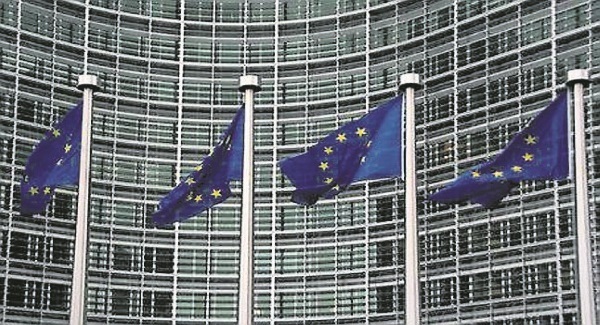
There is also growing concern about rising political risks in the eurozone, ahead of next month’s referendum in Italy and the elections due in the Netherlands, France and Germany next year.
Ultra-nationalism and anti-EU sentiment are on the rise in many European countries.
There is a risk that the Italian government could fall in the coming months, with polls indicating that it is unlikely to win the upcoming referendum on political reforms.
An early general election could pave the way for eurosceptic parties to enter government in Rome.
Meanwhile, anti-EU and far-right and nationalist parties are expected to do well in next year’s elections in the Netherlands, France, and Germany, although they are not expected to gain power.
Nonetheless, a strong showing by these parties will trigger questions about the direction of the EU and whether other countries might decide to follow the UK and leave the bloc.
In this regard, there is much uncertainty about how the negotiations on the UK’s exit from the EU will proceed next year. It is unclear if the UK government will be able to trigger Article 50 by the end of March to begin the formal EU departure process.
Meanwhile, the indications are that the EU authorities are not prepared to begin formal talks on a future trade deal with the UK until it leaves the EU.
Thus, an exit deal is likely to contain only transitional arrangements on trade, with a clear risk that the UK could lose access to the single market if it continues to insist on a full return of sovereignty and control over immigration.
Meanwhile, markets will be closely watching to see the extent to which president-elect Donald Trump will implement his policies next year, especially on the fiscal front.
If he presses ahead with plans for sharp tax cuts and large infrastructure spending, it will lead to a big rise in the US budget deficit, while also boosting growth and inflation.
This is going to shape monetary policy in the US, with major impacts across global financial markets.
The US has near zero official interest rates but with an unemployment rate of below 5%.
An aggressive loosening of fiscal policy could see the Federal Reserve implement a series of rate hikes over the next couple of years.
Mr Trump is of the view that official rates are too low, so he is unlikely to be put off his expansionary fiscal agenda by the prospect of higher rates.
We have seen big moves this year in equity, bond, and currency markets and this is likely to continue in 2017.
Aggressive rate hikes by the Fed could see the euro-dollar rate move to parity next year, as could any tax changes that see US corporates repatriate funds held abroad.
However, the dollar will have to overcome stiff resistance at around $1.05-1.06 to do so.
Sterling is also likely to remain volatile. The currency has staged a good recovery against the euro recently, which has fallen back to around the 86 pence level from 90 pence.
Part of the reason is that traders are cutting short positions in sterling in the run up to year-end amidst heightened uncertainty in markets.
The UK high court ruling that parliamentary approval is required for the government to trigger Article 50 has also helped sterling, as has data showing a better than expected performance by the economy in the aftermath of the Brexit vote.
Nonetheless, the risks remain tilted to the downside for sterling, given that very difficult negotiations lie ahead next year with the EU on Brexit.
The UK economy is also likely to slow as inflation rises.
Thus, we could see the euro to move back up towards 90 pence. Ironically, the one saving grace for sterling may be if political risks continue to rise in the eurozone next year.
The political landscape is changing in Europe and growing anti-EU sentiment is a clear risk for the euro.