Charlie Kirk’s family says security failures led to his assassination
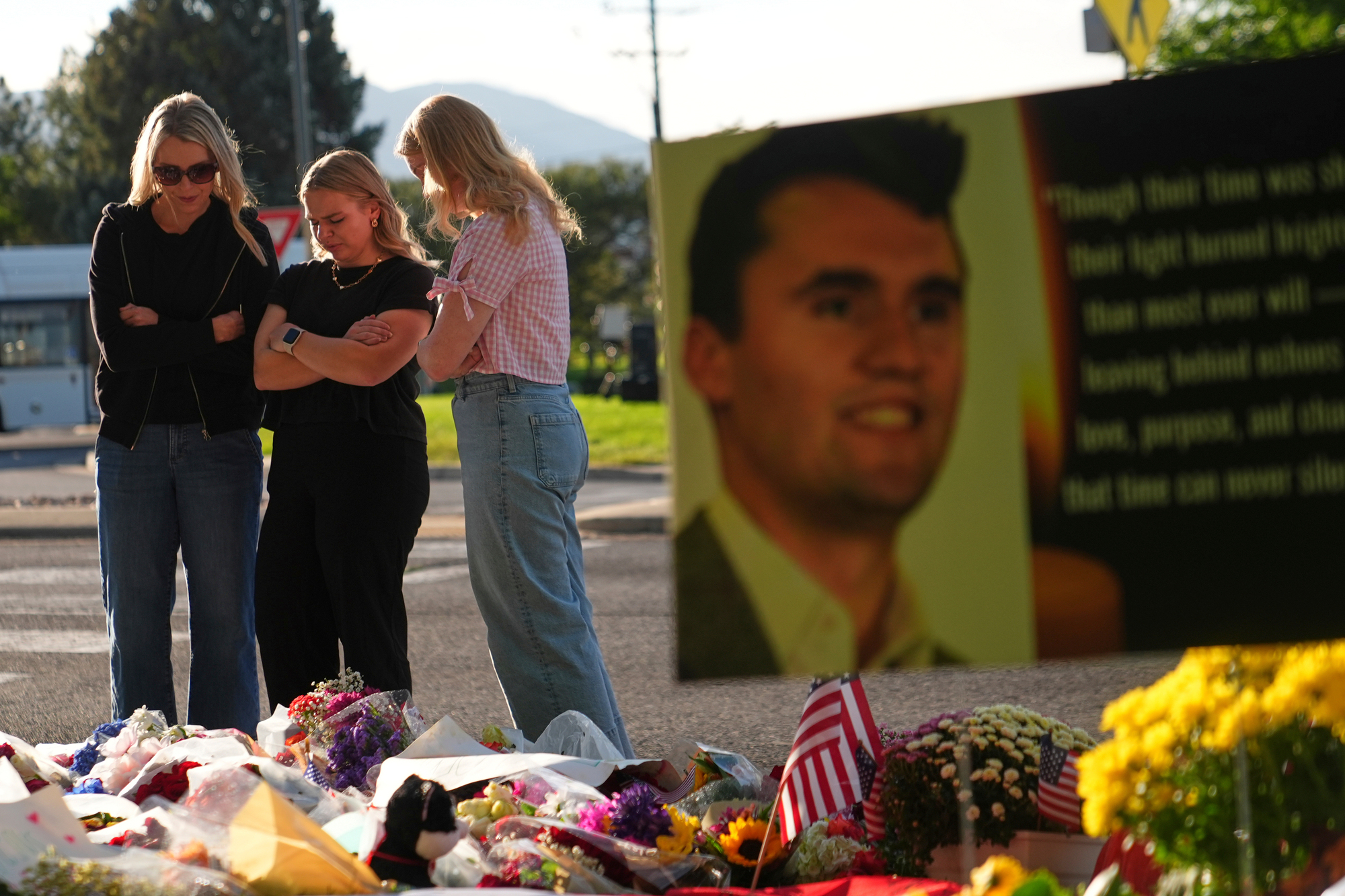
Charlie Kirk’s family have blamed Utah officials for failing to prevent the conservative activist’s assassination at a state university, in a wrongful death notice that could lead to a possible lawsuit.
Lawyers for the family said Mr Kirk’s death resulted from a string of “reckless decisions” by officials at Utah Valley University that left him exposed to a rooftop sniper, who fired a fatal shot from more than 400 feet away on September 10, 2025.
The university has faced harsh criticism for a lack of key safety measures on the day of the shooting.
Mr Kirk, 31, had been debating students in an outdoor courtyard surrounded by tall buildings and with several thousand people in attendance.
An Associated Press review following the shooting showed the campus in Orem did not use several public safety practices that have become standard safeguards at events around the country.
Campus police staffing was far below recommended levels for a school of that size. They also did not fly a drone to monitor rooftops or co-ordinate with local law enforcement to secure the event attended by about 3,000 people.
There were no bag checks or metal detectors.
“The risk of a rooftop shooter should have been especially top-of-mind given the attempted assassination of President Trump, Charlie Kirk’s close friend and political ally, by a rooftop shooter the previous year,” Kirk family attorney D Loren Washburn wrote in the notice to state and university officials.
The document, dated September 9, a day before the one-year anniversary of Mr Kirk’s death, is a required step under state law before his family can file a formal claim or lawsuit.
It names the university and its then-president, Astrid Tuminez; the campus police department and its chief, Jeffrey Long; and the state of Utah.
The AP is seeking comment from university officials. The Utah Attorney General’s Office said it does not comment on potential litigation.
Attorneys for Mr Kirk’s family alleged additional lapses by officials, including not conducting an adequate risk assessment before approving the event, failing to establish a secure perimeter and having no first responders immediately available, resulting in Mr Kirk being taken to a nearby hospital in a private vehicle rather than an ambulance after he was shot.
“Tragically, the UVU Parties took none of these safety measures — steps only they had the authority to take — resulting in a situation that rendered Mr. Kirk helpless before his assassin,” Mr Washburn wrote.
Mr Long said after the shooting that six of his officers staffed the event and co-ordinated with Mr Kirk’s eight-person private security team. The school said it was expanding its police force following the shooting.
Utah resident Tyler Robinson turned himself in a day after Mr Kirk’s killing. Prosecutors say he told his romantic partner that he “had enough of his (Kirk’s) hatred”.
Robinson is charged with aggravated murder, making him eligible for the death penalty if convicted. A judge on September 1 ordered the case to proceed toward trial. A date has not yet been set.
Prosecutors during a preliminary hearing in July presented what they characterised as overwhelming evidence against Robinson. That includes surveillance video of Robinson on the campus, DNA tests linking him to a rifle found near the assassination site and a handwritten note he allegedly left for his romantic partner that read, “I had the opportunity to take out Charlie Kirk, and I took it”.
Mr Kirk’s parents, Robert and Kathryn Kirk, and widow, Erika Kirk, attended the hearings.
State law allows heirs or personal representatives of people who die to file lawsuits seeking damages if the death was caused by a wrongful act or negligence.
The notice from Mr Kirk’s family did not specify what damages they may seek.

CONNECT WITH US TODAY



Be the first to know the latest news and updates