Soaring costs sparked by Iran war causing 'devastating' crisis in Africa and Asia 
It comes as further attacks dampen prospects for a truce in the region
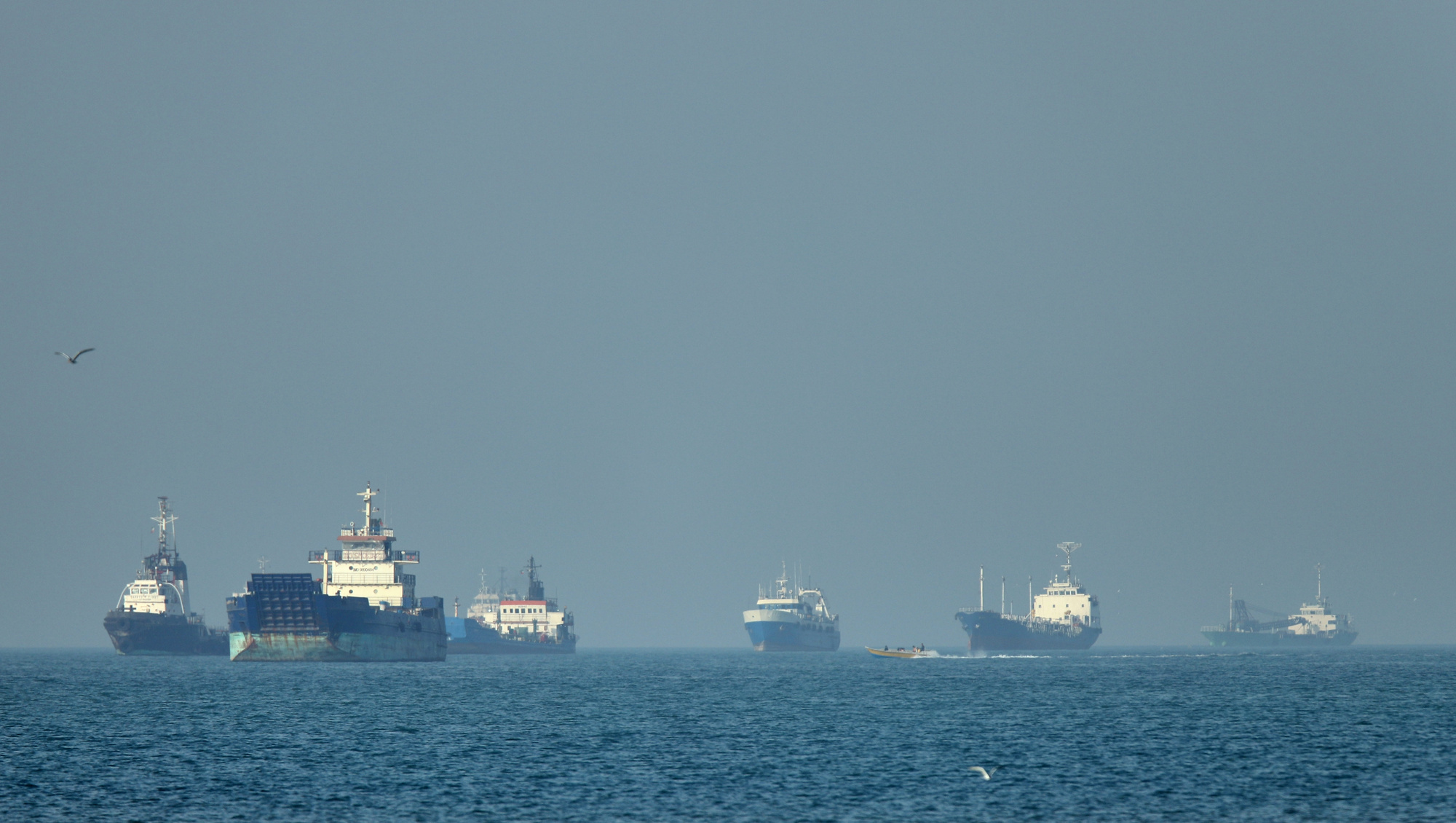
The ActionAid analysis comes as tensions continue to rise in the region after US president Donald Trump confirmed that Iran had shot down a US Apache helicopter that was patrolling the Strait of Hormuz and vowed to respond, but gave no other details. File picture: Amirhosein Khorgooi/AP

The ActionAid analysis comes as tensions continue to rise in the region after US president Donald Trump confirmed that Iran had shot down a US Apache helicopter that was patrolling the Strait of Hormuz and vowed to respond, but gave no other details. File picture: Amirhosein Khorgooi/AP

The global fuel shock triggered by the Iran war has driven prices up 70% and plunged families across Africa and Asia into deep crisis.

New analysis reveals the devastating impact on those living in the poorest countries, with families forced to skip meals, children being pulled out of school, and food production scaled back as fuel prices continue to soar.

It comes as tensions continue to rise in the region after US president Donald Trumptarget="_blank" rel="noopener noreferrer"> confirmed that Iran had shot down a US Apache helicopter that was patrolling the Strait of Hormuz and vowed to respond, but gave no other details.

The ActionAid analysis of the impact the war is having across Africa and Asia reveals:

  • In Nepal, the cost of petrol increased by around 40%, while the cost of diesel — the primary fuel used for public transport — increased by more than 70% at its peak;
  • In Somaliland, the price of petrol has risen by 67% from $0.78 per litre to a peak of $1.30 per litre and is currently holding at around $1.15 per litre, representing a 47% increase;
  • In Cambodia, petrol prices have increased by around 40% and diesel by more than 60%, while the country has also experienced temporary fuel supply disruptions, with thousands of petrol stations suspending sales and hundreds remaining closed due to shortages and delays in new supplies;
  • In Zimbabwe, petrol and diesel costs have gone up by between 35% and 43% since February;
  • In Malawi, fuel prices have risen by 35% since the start of the war.

ActionAid Ireland CEO Karol Balfe said the analysis lays bare the fact that more than three months after the US and Israel launched strikes on Iran — triggering a regional war and major disruption to global energy supplies — women and low-income households are bearing the brunt of the crisis, despite having played no part in causing it.

“The evidence is devastating,” she said.

“Across Africa and Asia, rising fuel costs are pushing up the price of almost everything people rely on to survive. Colleagues report families skipping meals to afford transport, withdrawing daughters from school, reducing travel to health clinics, and cutting back food production as the cost of farming becomes increasingly unaffordable.

“Globally, we see when there is a food crisis, women are hit hard, skipping meals first, girls dropping out of school, increases in insecurity for women.”

Ms Balfe added: “People are already having to resort to extreme coping strategies. In rural communities, farmers are being forced to limit food production due to soaring costs, with worrying implications for future yields and food security.”

The analysis reveals that one of the most direct consequences of the global fuel hike has been a sharp rise in the price of public transport, which many low-income workers depend on to reach their place of work, or else to reach markets, health clinics, or schools.

In Somaliland, the local bus fare has increased by 50% from 2,000 to 3,000 Somali shillings, while in Zimbabwe, ‘kombi’ minibus and bus fares have jumped by 50% to 100% since March 2026, meaning many can no longer afford trips to clinics, markets, or schools.

“For many low-income households, higher fuel prices are translating directly into hunger, lost income, and interrupted education,” said Ms Balfe.

“A 40% increase in fuel prices can mean a girl missing school, a woman skipping meals, or a farmer struggling to produce enough food.

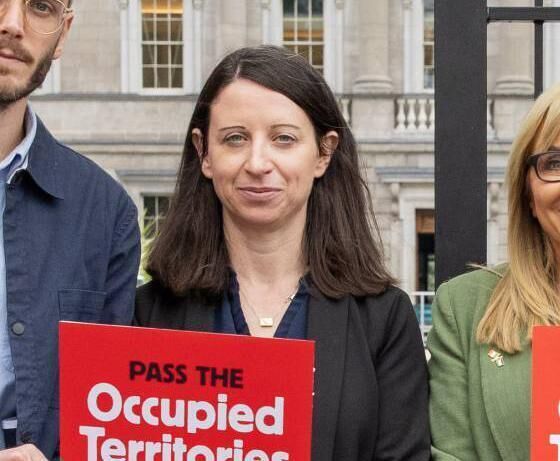
ActionAid Ireland CEO Karol Balfe said: 'Globally, we see when there is a food crisis, women are hit hard, skipping meals first, girls dropping out of school, increases in insecurity for women.' File picture: Gareth Chaney

“The war on Iran did not create these inequalities, but it has deepened long-standing vulnerabilities rooted in colonial land inequality, patriarchal care burdens, and dependence on imported fuel.”

With no resolution to the conflict yet in sight, ActionAid Ireland warns the impacts will continue to deepen, particularly for women and low-income families already facing multiple overlapping crises.

Rising fuel costs are compounding the effects of inflation, debt, and the looming threat of El Niño, which is expected to bring further climate-related shocks to many vulnerable communities.

It comes as further attacks throw into deeper uncertainty the prospects for a truce announced on April 8 in the war in the Gulf.

Responding to the downing of a US helicopter, Mr Trump said the two pilots involved in the incident were both safe and uninjured.

“Nevertheless, the United States must, of necessity, respond to this attack,” he said.

On Monday, Israel and Iran said they would halt attacks on each other after an appeal by Trump to end their first direct exchanges of fire since April, but Tehran warned it would resume hostilities if Israel continued to attack its ally Hezbollah in Lebanon.

Monday’s flare-up added further strain to efforts to broker a peace deal to end the wider Middle East war and reopen the Strait of Hormuz.

  • Elaine Loughlin is Political Editor. 

More in this section

Cookie Policy Privacy Policy Brand Safety FAQ Help Contact Us Terms and Conditions

© Examiner Echo Group Limited