Marco Rubio says Iran must give up nuclear enrichment in any deal with the US
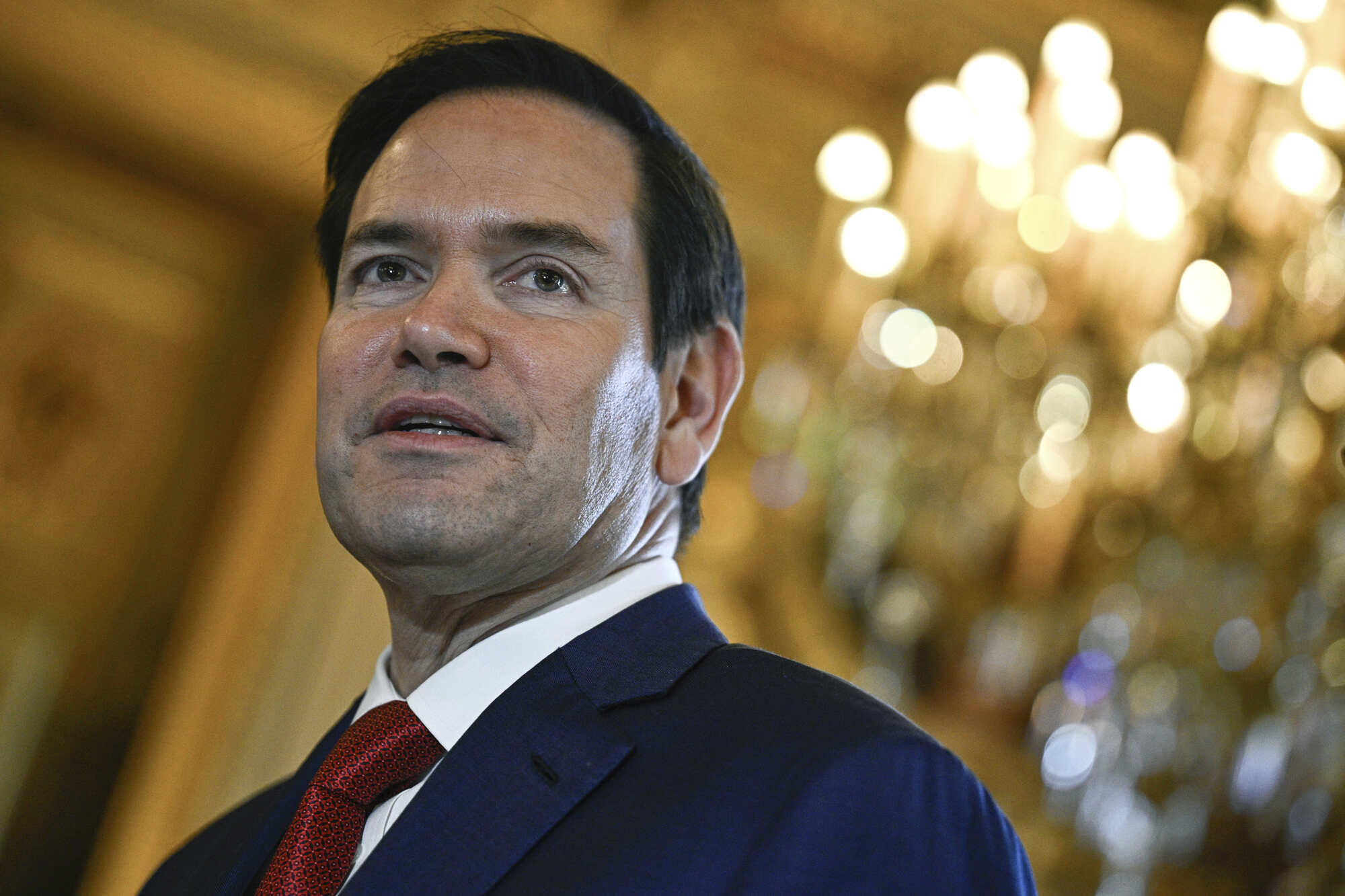
US secretary of state Marco Rubio said in an interview released on Wednesday that Iran must give up all nuclear enrichment if it wants to make a deal during talks with the Trump administration and head off the threat of armed conflict.
Iran insists its nuclear programme is for civilian energy use and says it does not seek to make weapons-grade uranium to build atomic bombs.
“If Iran wants a civil nuclear programme, they can have one just like many other countries can have one, and that is they import enriched material,” Mr Rubio said in a podcast interview with journalist Bari Weiss.
But Iran has long refused to give up its ability to enrich uranium.
US President Donald Trump in his first term pulled America out of an Obama-era nuclear deal focused on monitoring to ensure Iran did not move towards weapons-grade enrichment.
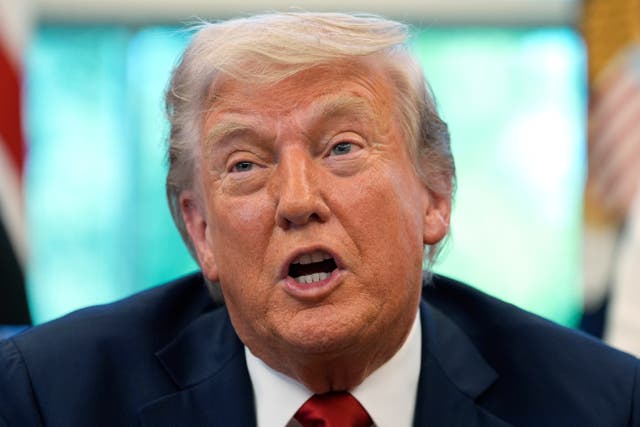
In the first months of his second term, Mr Trump opened talks that he says will get a tougher agreement on Iran’s nuclear programme, with a second round of negotiations held on Saturday and technical-level talks expected this weekend.
Iran wants the easing of sanctions that have damaged its economy and is facing threatened Israeli or US strikes aimed at disabling its nuclear programme by force.
“I would tell anyone we’re a long ways from any sort of agreement with Iran,” Mr Rubio noted.
“It may not be possible, we don’t know … but we would want to achieve a peaceful resolution to this and not resort to anything else.”
With the region already embroiled in war, he said that “any military action at this point in the Middle East, whether it’s against Iran by us or anybody else, could in fact trigger a much broader conflict”.
Although Mr Trump “reserves every right to prevent Iran from getting a nuclear weapon, he’d prefer peace,” Mr Rubio added.
Mr Trump’s lead representative in the recently revived talks, Middle East envoy Steve Witkoff, initially suggested the US was open to allowing Iran to continue low-level uranium enrichment.
Many American conservatives and Israel, which wants Iran’s nuclear facilities destroyed, objected.
Mr Witkoff issued what the Trump administration described as a clarification, saying: “Iran must stop and eliminate its nuclear enrichment and weaponisation programme.”
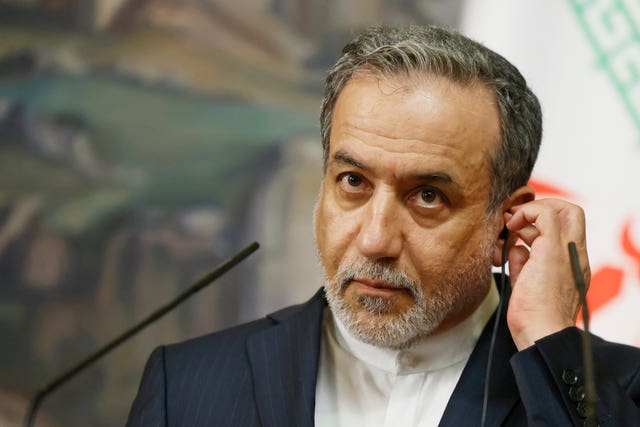
Iranian foreign minister Abbas Araghchi responded that his country must be able to enrich. “The core issue of enrichment itself is not negotiable,” he said.
Standard international agreements for civilian nuclear programmes have the US and international community help governments develop nuclear power for energy and other peaceful uses in exchange for them swearing off making their own nuclear fuel, because of the threat that the capacity could be used for weapons.
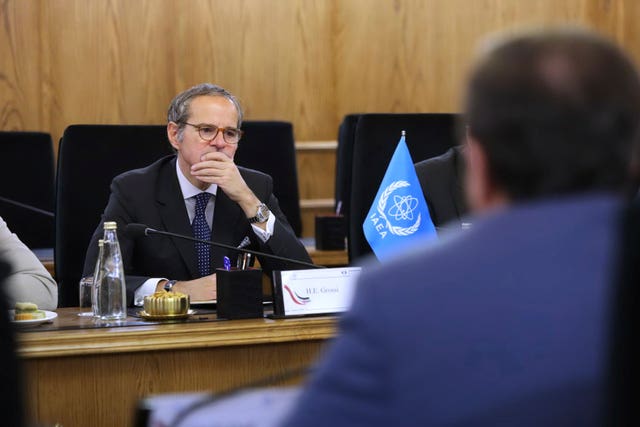
Also on Wednesday, the head of the International Atomic Energy Agency (IAEA) Rafael Mariano Grossi said Iran has agreed to allow in a technical team from the United Nations nuclear watchdog agency in the coming days to discuss restoring camera surveillance at nuclear sites and other issues.
Mr Grossi, speaking to reporters in Washington after meeting with Iranian officials in Tehran last week, said that while the move was not directly linked to the US talks, it was an encouraging sign of Iran’s willingness to reach terms in a potential deal.
Iranian leaders were engaged “with a sense of trying to get to an agreement”, Mr Grossi said. “That is my impression.”
After Mr Trump exited the nuclear deal with world powers in 2018, Iran responded by curtailing monitoring by the IAEA at nuclear sites.
It has pressed ahead on enriching and stockpiling uranium that is closer to weapons-grade levels, the agency says.
The IAEA is not playing a direct role in the new talks, and Mr Trump’s Republican administration has not asked it to, Mr Grossi told reporters.
But when it comes to ensuring Iranian compliance with any deal, he said: “This will have to be verified by the IAEA.”
“I cannot imagine how you could put … a corps of invented international or national inspectors to inspect Iran” without having the agency’s decades of expertise, he said.
“I think it would be problematic and strange.”
CONNECT WITH US TODAY



Be the first to know the latest news and updates