Stephen Port – the quiet, porn-obsessed loner who turned into a serial killer
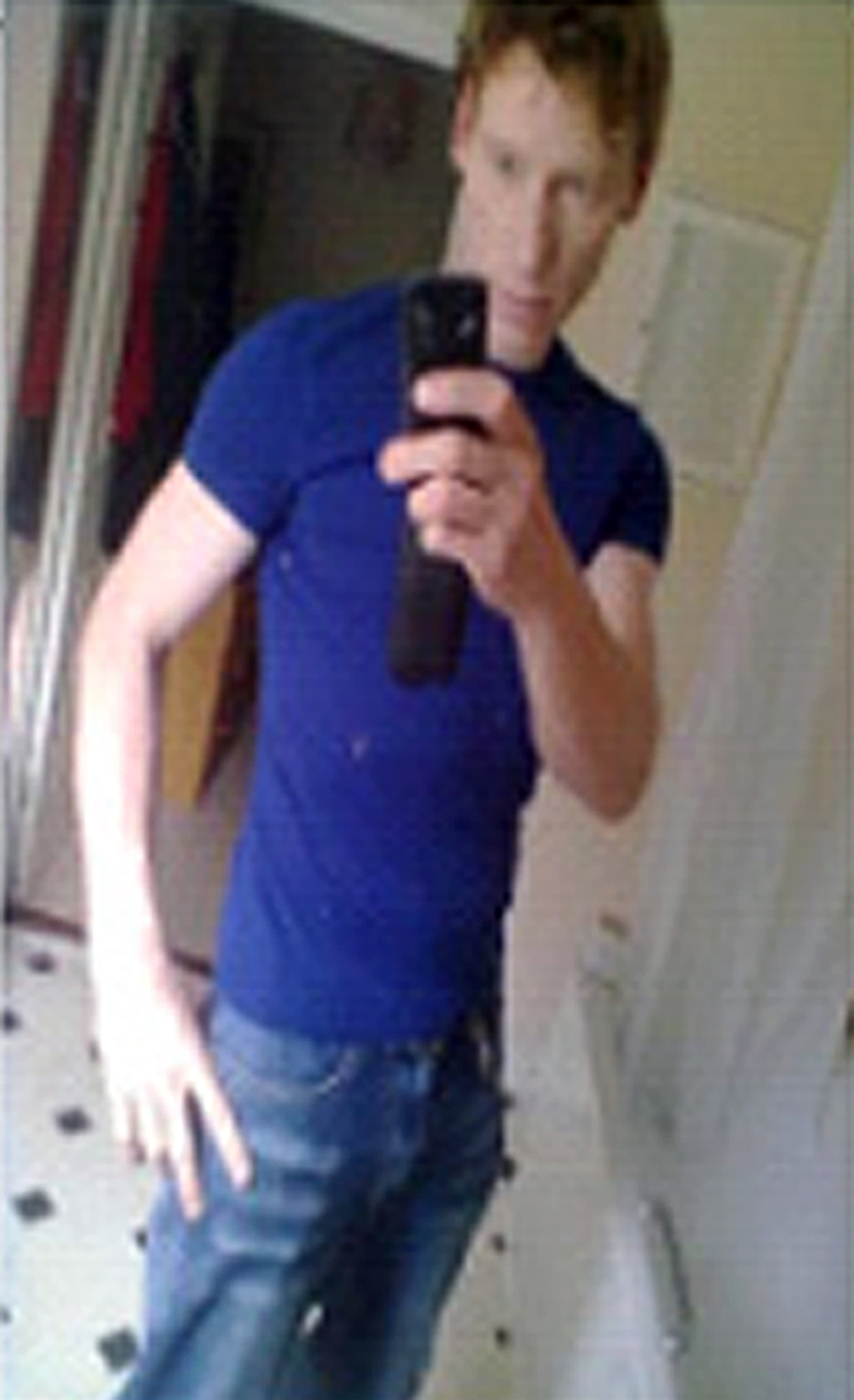
Undated handout photo issued by Metropolitan Police the picture profile of Stephen Port on the social media site Gaydar which was shown to the jury at Old Bailey, London where he is accused of drugging and murdering four men he met on gay websites (Metropolitan Police/PA)
In many ways, Stephen Port did not fit the serial killer stereotype.
The softly spoken bus depot chef had a “strange” obsession with children’s toys and rarely socialised, instead spending his free time in his flat on his laptop or internet dating, rarely going too far from work and home.
But the reality, unbeknownst to the few who knew him, was that the 6ft 5in former escort was obsessed with drug-rape pornography, and lured unwitting, boyish-looking, gay men to his flat through websites such as Grindr before fatally plying them with GHB, sexually abusing them, and disposing of their young corpses.
Port then weaved an unending web of lies to cover his tracks and muddy the waters, allowing him to strike again and again until police finally pieced together Port’s murderous involvement in the four deaths.

Evidence at the inquests suggested Port had more aliases, used to spread rumours in the aftermath of each murder, than he had genuine friends.
Port, originally from Dagenham, trained as a chef after dropping out of art school.
He lived at home until his early 30s, having come out as gay, and part-bought a one-bedroom flat in Barking that would eventually become the grim theatre for his depraved acts.
As he approached his 40s, but with his desire for much younger male company unrelenting, the balding Port began to wear a floppy blond hair-piece atop his athletic frame in an effort to persuade people he was closer to their age.
Port became a GHB user towards the end of 2013, and by then had come to the attention of police for allegedly drugging and raping a man on New Year’s Eve.
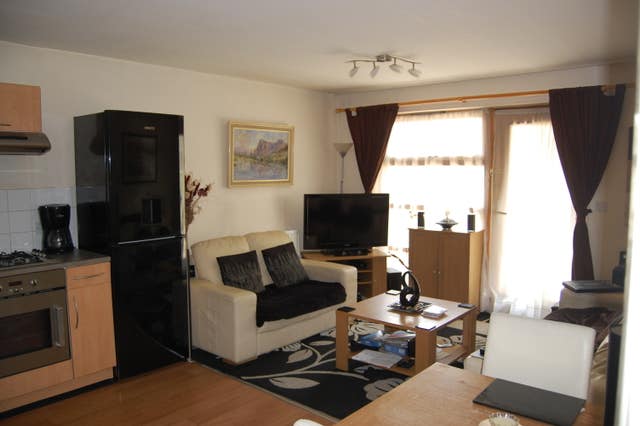
He was said to have had a “revolving door of boys coming and going” at his flat, some of whom he boasted he would wed, only for them to disappear out of his life as quickly as they arrived.
Indeed, one of his few friends, neighbour Ryan Edwards, remarked how Port had a “voracious appetite” for meeting “very young” men.
But he later became so concerned that Port was spending time with “vulnerable” boys that he considered he might have “paedophile tendencies”.
Mr Edwards said he also had concerns about Port’s drug use, but was reassured by the predator that his interest in young males was legal, and that the drugs were for personal use only.
The truth, as police would later come to discover, was far more sinister.
Stephen Port murdered four young men during a 16-month period between 2014 and 2015, luring them to his one-bed flat in Barking before fatally plying them with date-rape drug GHB and then dumping their bodies nearby.
Port was initially arrested days after he killed his first victim, but was not charged with murder until after he struck for a fourth time.
Police said they were inexperienced to deal with such cases and were struggling with a large workload at the time of the deaths.
Here is what happened in each investigation:
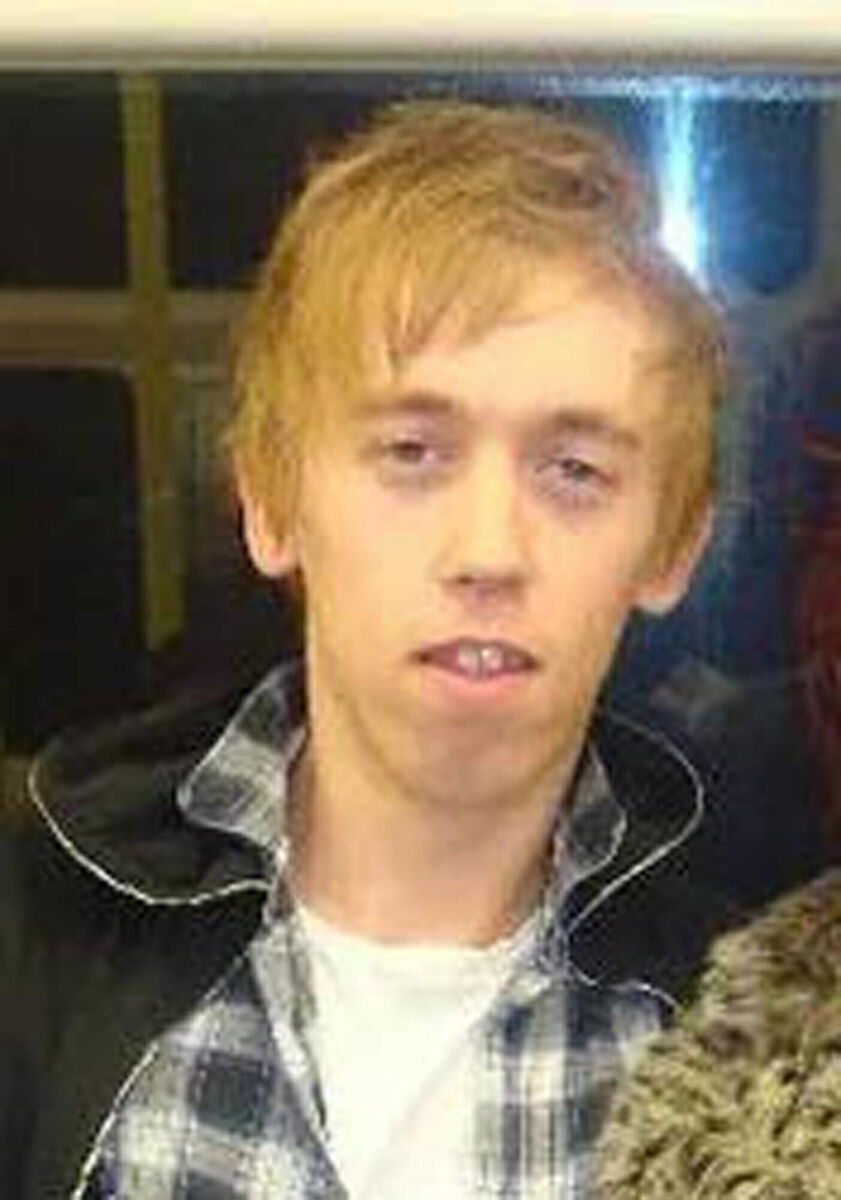
It was Port himself who called 999 to report “finding” Mr Walgate unconscious outside his flat, although he later admitted dumping his body after the pair met for sex. He killed three men by the time he was jailed in March 2015 for perverting the course of justice in the Walgate case.
Fashion-conscious Mr Walgate was found with his underpants on back to front and inside out, but police said this was “unusual, not necessarily suspicious or sinister”.
Investigators at the scene were not told of a previous allegation of rape against Port on the police national computer from 2012, who was traced as being the person who called 999 to report the body.
In fact, police only checked the national database for Mr Walgate, not Port.
Another officer deduced there was “nothing to suggest the victim had been assaulted”, despite bruising under Mr Walgate’s arms, while sex swabs taken from his body were not submitted for DNA testing.
Perhaps most crucially, police failed to submit a laptop belonging to Port for forensic analysis for 10 months after it was seized in the wake of Mr Walgate’s death, and then missed repeated searches for drug rape videos contained on the device.
The Crown Prosecution Service was also not given information that Port was a suspected sex offender when they ruled out a homicide charge over Mr Walgate’s death.
Police soon knew that Port had lied to them from the outset, eventually charging him with perverting the course of justice. But they did not follow up information he volunteered during his initial interviews about his previous involvement with police on suspicion of sexual assault.
Requests from the local police officers for the Met’s specialist murder investigation team to take over the investigation were repeatedly dismissed, meaning inexperienced officers were in charge of the case.
Two of Mr Walgate’s friends were convinced his death was suspicious and aired their concerns, but said they believed police assumed he had overdosed on drugs simply because he was a gay sex worker.
Sarah Sak, the victim’s mother, told police she was convinced it was “murder”, but said police told her “it was probably drugs”.
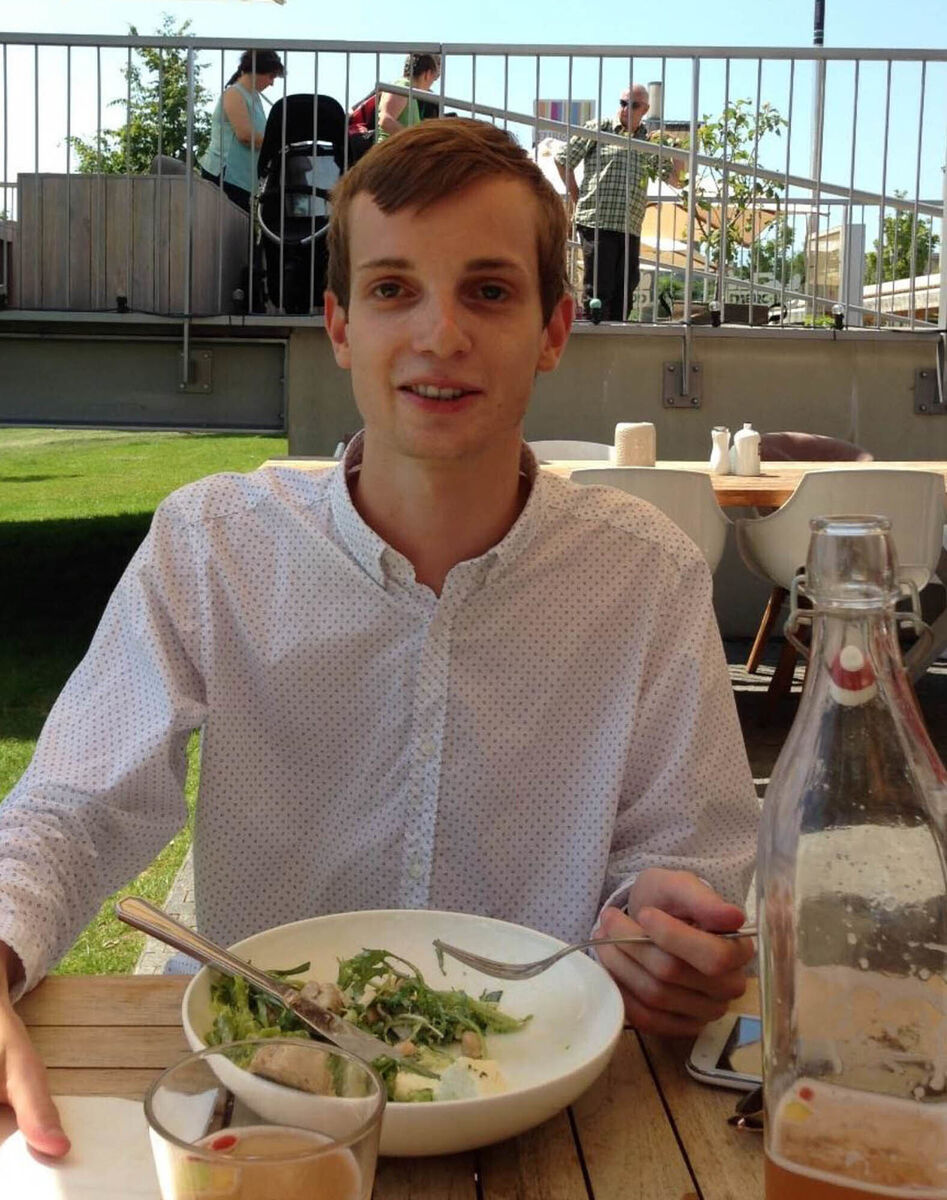
Aspiring English teacher Mr Kovari was found slumped in a graveyard near Port’s home. But the scene was not declared suspicious, so his body was not subjected to a forensic post-mortem examination.
His clothing was not seized and so was not analysed, and no samples were taken from his body.
Police did not follow up leads to trace Mr Kovari’s friend, Karl Kamgdon, who Mr Kovari sent pictures to from inside Port’s flat when he arrived there, and was the last person he spoke to.
John Pape, Mr Kovari’s friend, effectively turned detective to find the victim’s boyfriend in Spain, Thierry Amodio, who had been contacted by Port masquerading as another man.
Both men supplied the police with information which would have led them to the serial killer, but they were repeatedly ignored.
A family liaison officer assigned to the Kovari case failed to contact the victims’ loved ones at all, and even referred to him as being from Lithuania rather than Slovakia.
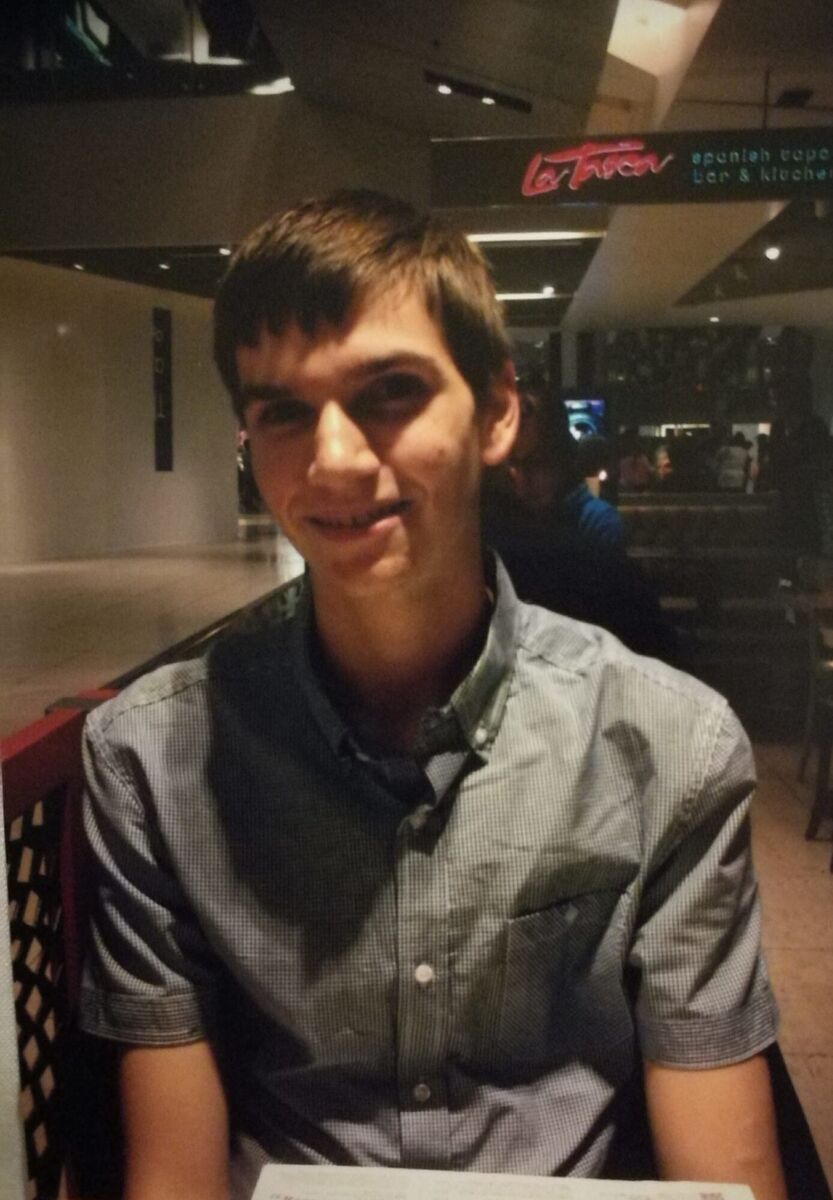
Detectives failed to carry out key forensic tests including on the bed sheet on which chef Mr Whitworth was found, his clothes, so-called sex swabs taken from his body, and the drugs bottle planted on him – all of which carried Port’s DNA or fingerprints.
Perhaps most crucially, the “suicide note” planted by Port on Mr Whitworth’s body taking responsibility for Mr Kovari’s death appeared to be taken on face value by police.
Only a section of its contents was sent to Mr Whitworth’s family, with disputes over whether his father was able to identify the handwriting as that of his son.
The note was not shown to Mr Whitworth’s long-term boyfriend, Ricky Waumsley, for a year, and he said he felt cut out of the investigation entirely.
He later raised concerns about the “really impersonal” nature of the content, that it did not mention any family members and that he could not be sure it was his partner’s handwriting.
The note also contained a veiled reference to Port, asking police not to “blame the guy I was with last night” in case the investigation eventually linked the victim with the serial killer.
However, police arriving on the scene thought “the guy” was a homeless man sleeping in the graveyard where Mr Whitworth was found.
It was much later that a handwriting expert concluded the script matched Port’s while the notepad on which the suicide note was written was recovered from Port’s address.
There was no evidence Mr Kovari and Mr Whitworth had ever met or contacted each other.
Police also failed to obtain full phone data that would have shown Mr Whitworth was not in Barking on the night of Mr Kovari’s death – creating an inaccuracy with the suicide note that claimed Mr Whitworth killed Mr Kovari.
Mr Walgate also showed signs of bruising under the arms consistent with being moved or carried before or after his death.
Bizarrely, dog walker Barbara Denham, who discovered Mr Kovari’s body, was also the first on the scene for Mr Whitworth’s death.
She told police: “I was the same woman that found the other body a few weeks ago … I found another young boy.”
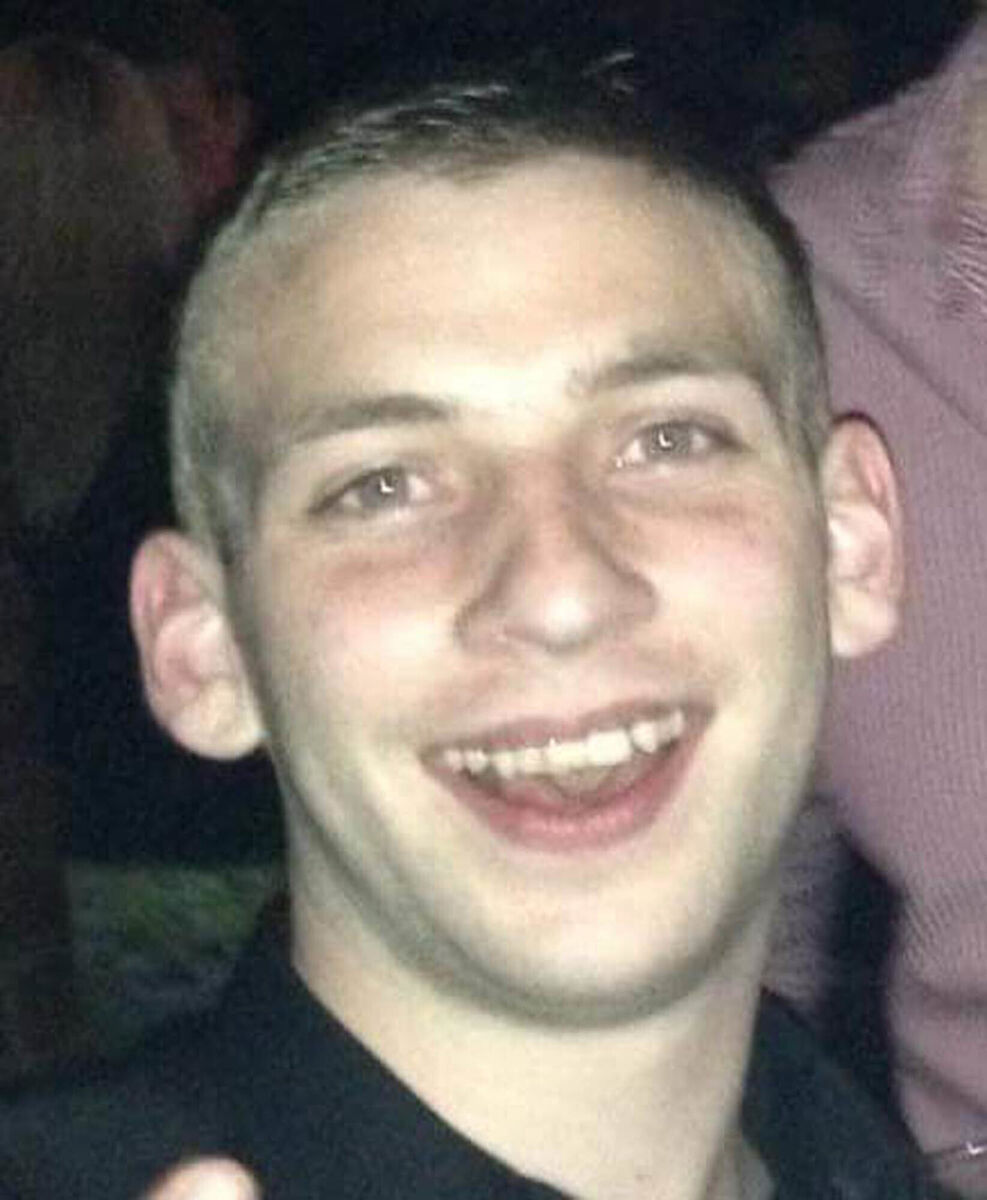
The final death was not linked to the previous three until a chance discovery nearly a month later – this was despite similarities that all four victims were young, gay men, with no links to the area, who were found dumped in public, within a short distance of each other.
Mr Taylor’s family shared with police their concerns that the death might be linked to others in the area, as did the coroner.
In fact, his sisters kept notes of their own investigations, establishing similarities between the four deaths, referencing GHB and identifying Port’s address in Cooke Street.
The family were particularly suspicious that Mr Taylor – who wanted to become a policeman and was said to be resolutely anti-drugs – had apparently taken something on the night he died.
But their suggestions were dismissed by police who said there was “no reason to think they are connected”.
It was only when a detective working on the Walgate investigation chanced upon a print-out of a CCTV still of Mr Taylor with a “mystery man” on the night he was last seen alive that he recognised him as Port and made the link with Mr Walgate’s death.
Another officer then linked them with the Kovari and Whitworth investigations.
CONNECT WITH US TODAY



Be the first to know the latest news and updates