No engine failure in Glasgow police helicopter, say investigators
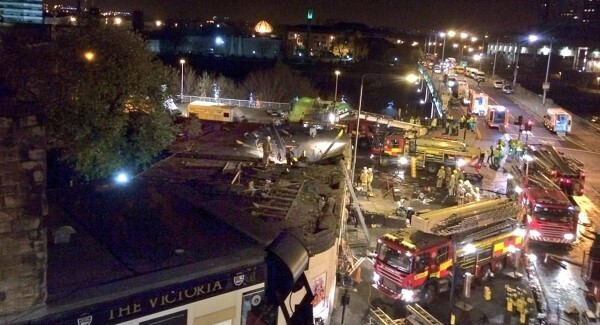
Investigators have found no initial evidence of engine or gearbox failure in their probe into the police helicopter crash in Glasgow which claimed nine lives.
In a special bulletin, the Air Accidents Investigation Branch (AAIB) said âall significant components were presentâ at the time the two-engined Eurocopter EC135 helicopter crashed through the roof of The Clutha Bar on the night of November 29.
The report went on: âInitial assessment provided no evidence of major mechanical disruption of either engine and indicated that the main rotor gearbox was capable of providing drive from the No 2 engine turbine to the main rotor and to the fenestron drive shaft.â
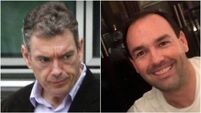
The pilot of the helicopter David Traill, 51, and his two passengers - police officers Kirsty Nelis, 36, and Tony Collins, 43 - were killed in the crash as were six people inside the pub.
The AAIB report today said that the helicopter had left Glasgow City Heliport at 8.45pm on the Friday of the crash and had flown, to start with, to a location on the south side of Glasgow city centre, staying there for about 30 minutes at a height of 1,000ft above sea level.
In had then gone about 40 miles east to Dalkeith in Midlothian, staying there for a further 10 minutes before returning to Glasgow.
At 10.18pm the pilot had requested clearance from air traffic controllers to re-enter the Glasgow control zone and return to the heliport. This had been approved and no further radio transmissions from the pilot were received.
The AAIB added that radar contact with the helicopter was lost at 10.22pm.
The report went on: âAround this time, the helicopter was seen and heard by a witness who described hearing a noise like a loud âmisfiring carâ, followed by silence.
âHe then saw the helicopter descend rapidly. It crashed through the roof of The Clutha Bar, a single-storey building on Stockwell Street in central Glasgow.
âThe three occupants of the helicopter and six people in, or adjacent to, the bar were fatally injured. Thirty two other people suffered injuries, 12 seriously.â
The AAIB said the weather just after the helicopter took off and also at the time of the crash was described, in aviation jargon, as CAVOK - meaning that visibility was good. Winds were light at around 7-8 knots.
The report said that initial evidence indicated that the helicopter struck the flat roof of the pub âwith a high rate of descent and low/negligible forward speedâ.
The AAIB went on: âPreliminary examination showed that all main rotor blades were attached at the time of the impact but that neither the main rotor nor the fenestron tail rotor (a form of protected tail rotor) were rotating.
âThe impact forces caused the roof of the bar to collapse and helicopter entered the building, its forward section coming to rest on and amongst building debris.
âVery extensive damage and disruption of the helicopter structure and components resulted from the impact forces and from contact with the collapsing building. The helicopter did, however, remain approximately upright.â
The AAB said its team, working closely with the emergency services and the authorities in Glasgow, had conducted a preliminary examination of the aircraft within the collapsed area of the pub.
After that, the damaged sections of the building were shored up and made safe, âenabling closer examination to be carried outâ.