US oil bosses face grilling over huge profits
Huge oil company profits at a time when motorists are paying very high prices for fuel have sent shivers through a US Congress worried about the political fallout.
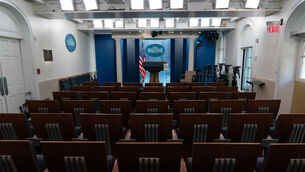
Now senators are venting some anger – and hoping to get some answers – as the top executives of five of the biggest and most profitable oil companies testify at a Senate hearing.
The executives today hoped to dampen any further momentum for calls for taxing windfall oil company profits, something still viewed as a longshot but also no longer out of the question.
Such a tax could inhibit investment in refineries or oil exploration and production, the industry contends.
The oil industry’s record third-quarter profits – at a time when motorists were reeling from unprecedentedly high fuel costs and warned of huge heating bills this winter – has caught the attention of both Republicans and Democrats in Congress.
Some analysts predict the 29 largest oil companies will earn €81bn this year.
“Consumers need relief from high energy prices,” Senator Byron Dorgan of North Dakota said yesterday, reiterating his call for a windfall profits tax on oil companies. “Talk is cheap. The price of energy is not. Congress needs to act.”
By most accounts, today’s hearing will have much rhetoric and likely result in little action.
Politicians, especially on the Republican side, “need some cover in the face of record-breaking profits,” says Christine Tezak, an energy analyst for Stanford Washington Research Group.
“Expect a lot of criticism … but there is far more rhetoric than votes in support of windfall profits taxes.”
The oil executives are expected to defend their profits and emphasise that the profit numbers are huge because the industry is huge.
Together the five companies – Exxon Mobil Corp., Chevron, ConocoPhillips, BPAmerica and Shell Oil USA – reported more than €21bn in profits in the July-September quarter as the price of crude oil hit €59 a barrel and fuel surged to record levels after the disruptions of Hurricanes Katrina and Rita.
“It’s profits that make the companies run and make the economy run,” ExxonMobil chairman Lee Raymond said on CNBC yesterday, showing no sign of being defensive about his company’s nearly €8.4bn in earnings, on revenue of €84.7bn, during the third quarter.
He called the industry cyclical by nature. “We have to have the peaks because we know we’re going to have the valleys,” he said.
The industry argues that the run-up of fuel prices, which began earlier in the year, stems from high global crude oil costs and growing demand for fuel this past summer, followed by a disruption of fuel supplies when the hurricanes shut down more than a dozen refineries on the Gulf Coast.
While the loudest calls for action against oil companies has come from Democrats, some Republicans have expressed similar frustrations.
“They are unhappy with the behaviour of the oil companies,” said pollster David Winston, who advises Republican congressional leaders.
“These are free market guys. They believe the market works. But in this case they are concerned that the consumer was clearly taken advantage of ... and they’re pretty angry about it.”