Turkey detains 13 after Istanbul airport attack
They were detained in Istanbul as Turkish officials confirmed the three suicide attackers who carried out the attack were nationals of Russia, Uzbekistan, and Kyrgyzstan.
The simultaneous raids on 16 locations in the city, spanning the Asian and European sides, saw three foreign nationals rounded up among the 13 people held.
Turkish authorities say all information suggests the shooting and suicide bombing by the three assailants late on Tuesday at one of the world’s busiest airports was the work of the Islamic State (IS) group.
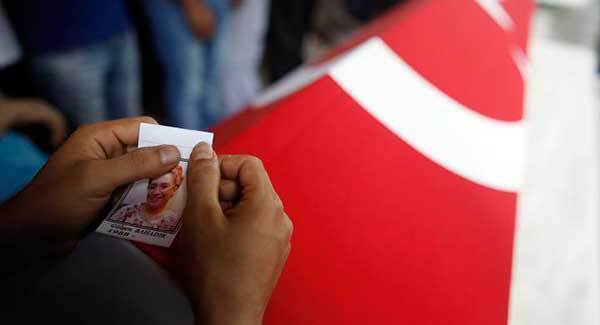
The attack left 42 people dead, including 13 foreign nationals, and more than 230 people injured. Funerals of those killed were being held throughout yesterday, a second day of mourning.
IS has not said it was behind the attack, but it is known to use Turkey as a crossing point to establish itself in neighbouring Syria and Iraq, and the group boasted this week of having cells in Turkey, among other countries.
In a separate police operation, nine suspects believed to be linked to IS were detained in the coastal city of Izmir. It is not clear if the suspects had any links to the carnage at the airport.
The Izmir raids unfolded simultaneously in the neighbourhoods of Konak, Bucak, Karabaglar and Bornova, according to the Anadolu Agency.
Police seized three hunting rifles and documents relating to IS during the raids.
Anadolu said the suspects were in contact with IS militants in Syria and were engaged in “activities that were in line with the organisation’s aims and interests”, including providing financial sources, recruits, and logistical support.
Days before the Istanbul attack, on June 25, security forces killed two suspected IS militants who were trying to cross the border illegally and ignored orders from security forces to stop, according to local media reports.
One of the two militants was wanted by Turkey on suspicion that he would carry out suicide attacks in the capital Ankara or in the southern city of Adana, Anadolu said.
Turkey shares long, porous borders with both Syria and Iraq, where IS controls large pockets of territory.
The government has blamed IS for several major bombings over the past year, including in the capital Ankara, and on tourists in Istanbul.
Meanwhile Turkey defied pressure from the EU to amend its anti-terrorism laws, saying the latest attack provided further vindication of its tough stance.
CONNECT WITH US TODAY



Be the first to know the latest news and updates