Scientists alarmed at Great Barrier Reef coral-bleaching
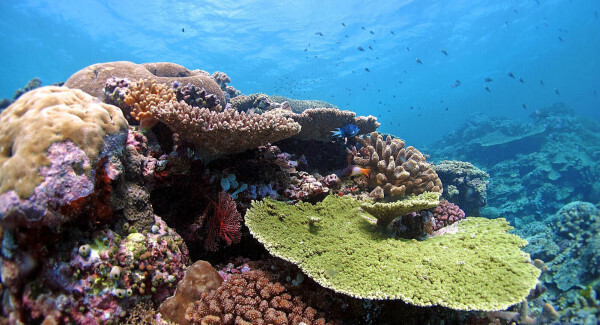
Authorities said that areas of the World Heritage site were experiencing the worst bleaching in 15 years, partially as a result of the current El Nino, which is one of the strongest in two decades.
During coral-bleaching, coral expels living algae, causing it to calcify.
Coral can only survive within a narrow band of ocean temperature.
The Great Barrier Reef Marine Park Authority was rasing its response to level three, said authority chairman Russell Reichelt.
“A level-three response level means we’re stepping up surveys, in response to the coral mortality, to help us better understand the effects of various pressures on the reef and help guide management actions,” said Dr Reichelt.
The footage, shot on Saturday by the University of Queensland’s CoralWatch group, has raised serious concerns amongst scientists and environmental groups about the growing impact of climate change.
“The new video and stills are very concerning and show large sections of coral drained of all colour and fighting for survival,” said World Wildlife Fund spokesman Richard Leck.
“This is the worst coral-bleaching event ever to hit this most pristine part of the Great Barrier .”
Scientists said that the Great Barrier Reef will need a break in El Nino conditions within weeks if some coral areas are to survive, but the Australian Bureau of Meteorology’s most recent forecast has predicted a continuation of El Nino conditions.
This year will be the hottest on record and 2016 could be even hotter, due to El Nino, the World Meteorological Organisation has said.
The Great Barrier Reef stretches 2,000km along Australia’s northeast coast and is the world’s largest living ecosystem.
It brings in billions of dollars a year in tourism revenue.
Last May, Unesco’s World Heritage Committee stopped short of placing the Great Barrier Reef on an ‘in-danger’ list, but the ruling raised long-term concerns about its future.
CONNECT WITH US TODAY



Be the first to know the latest news and updates