Warehouse exposes cost of illegal wildlife trade
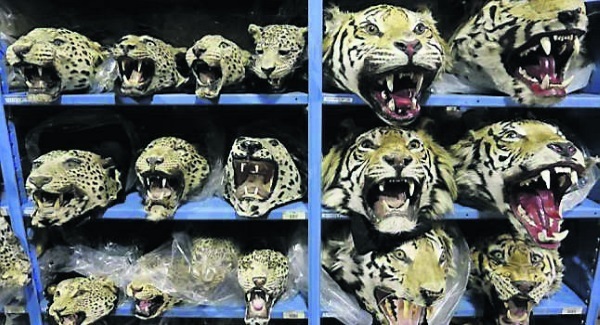
The National Wildlife Property Repository is the only place in the United States that stores such a large collection of seized wildlife items.
It provides a macabre look at the cost of the global trafficking of endangered and threatened animals.
The contents of the Colorado centre operated by the US Fish and Wildlife Service’s Office of Law Enforcement include an array of animal parts, large and small, and the items made from them — skins, carved ivory, boots, even medicines.
The confiscated items come from law enforcement agencies around the country.
“You can think of us as customs for wildlife,” said Coleen Schaefer, who supervises the repository.
A multibillion-dollar industry, the black market in wildlife is the fourth-most-profitable in the world, after illegal trafficking in weapons, drugs and humans, Ms Schaefer said.
The repository has a loan programme for schools, museums and nonprofits that have a conservation message. It also sends items to research institutions.
“Our main purpose is to provide conservation education about the legal and illegal wildlife trade,” Schaefer said.
CONNECT WITH US TODAY



Be the first to know the latest news and updates