Tunisia authorities quiz seven suspected associates of gunman
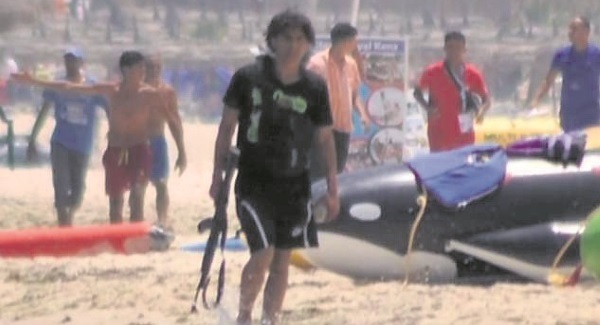
Tunisian secretary of state for the interior ministry Rafik Chelli said it had been established that Rezgui had visited a jihadi training camp in Sabratha, western Libya, at the same time as the two attackers who killed 22 at the Bardo Museum in the country’s capital, Tunis, in March.
“It has been confirmed that the attacker trained in Libya with weapons at the same period as the Bardo attackers,” said Mr Chelli.
“He crossed the borders secretly.”
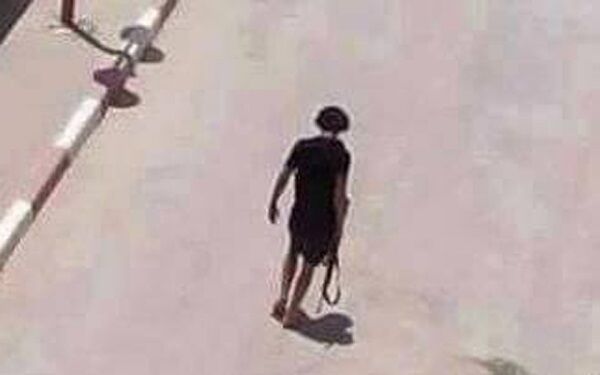
Authorities in Tunisia have also released images of two men being sought in connection with the shooting, named in reports as Bin Abdallah and Rafkhe Talari.
They have said Rezgui acted alone during the rampage but had accomplices who supported him before providing him with weapons and logistical support. Some 80 unregulated mosques believed to preach radical doctrines have been closed.
Tunisian president Beji Caid Essebsi said an investigation was under way into security failures and there would be armed tourist police on beaches.
The president said heightened security had been planned from July 1 to coincide with the Muslim holy month of Ramadan, but that attacks on sunbathing tourists had not been anticipated.
Mr Essebsi told Europe 1 radio: “It is not a perfect system — it is true we were surprised by this affair. They took measures for the month of Ramadan but never did they think the attack would be on the beaches against tourists, and the system of protection was set to start July 1.”
British prime minister David Cameron spoke with Tunisia’s ambassador in London about what assistance Britain can give the north African country to improve security and to strengthen its democratic system.
Mr Cameron addressed senior British ministers about the UK’s response to Friday’s atrocity, and spoke by phone with Taoiseach Enda Kenny.
Newspaper reports have also linked Rezgui to Islamist extremists in the UK. The Daily Mail said the gunman was linked to Saifallah Ben Hassine, a fanatic who was based in London for at least three years and a disciple of the cleric Abu Qatada.
Claims have also emerged that Rezgui had been part of a five-man terror cell which has been in existence for four years. A fellow student told Sky News that he “loved everything [Islamic State]stood for”.
Meanwhile, police, soldiers, emergency services, and intelligence officials were taking part in London’s largest counter-terrorism exercise.
The two-day operation, which was planned before the Tunisia attack, aims to test the response to a mass firearms attack in the capital.
A key strand of the British government’s strategy to counter extremism was coming into force today. New legislation passed earlier this year places a statutory duty on bodies including UK prisons, schools and universities to prevent radicalisation.

CONNECT WITH US TODAY



Be the first to know the latest news and updates