Ministers in final push for Iran nuclear accord
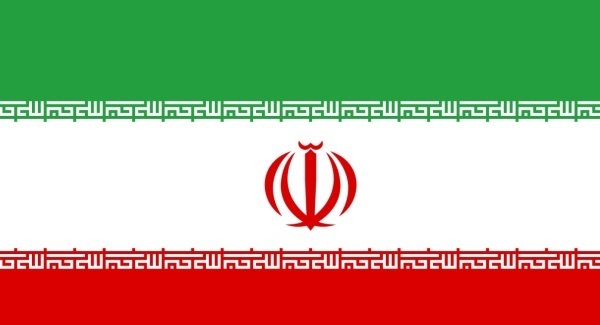
For days, Iran, the US, Britain, France, Germany, Russia, and China have been seeking to break an impasse in negotiations aimed at stopping Tehran having the capacity to develop a nuclear bomb in exchange for an easing of international sanctions that are crippling its economy.
However, officials at the talks in the Swiss city of Lausanne said attempts to reach a framework accord could yet fall apart.
A Western diplomat said there are three major sticking points that have to be resolved if Iran and major powers are to secure a framework deal before a self-imposed deadline today and it is unclear whether those differences will be bridged.
The diplomat said the most difficult issues were related to the duration of any limits on Iranian enrichment and research and development activities after an initial 10 years, the lifting of UN sanctions and restoring them in case of non-compliance by Iran.
“It seems that we have an accord for the first 10 years, but with regard to the Iranians the question of what happens after is complicated,” the official said on condition of anonymity. “I can’t say what the final result will be.”
German foreign minister Frank-Walter Steinmeier said there had been “some progress and some setbacks in the last hours”.
Russian foreign minister Sergei Lavrov’s spokeswoman said he was returning to Moscow last night, though officials said he would return to Switzerland if there was something to announce.
The Russian foreign ministry said there had been “considerable progress” and that Lavrov urged all sides to be ready to compromise.
In addition to US secretary of state John Kerry, Iranian foreign minister Mohammad Javad Zarif, Steinmeier, and Lavrov, British foreign secretary Philip Hammond, French foreign minister Laurent Fabius, and China’s Wang Yi gathered at a 19th-century hotel overlooking Lake Geneva.
Israeli prime minister Benjamin Netanyahu, who has campaigned vehemently against the talks, said in Jerusalem that the agreement being put together in Lausanne sends the message “that Iran stands to gain by its aggression”.
Despite disagreements on several points, Western officials said the two sides had previously been closing in on a preliminary deal.
Officials said that the talks could run at least until the deadline of midnight or beyond. If there was a deal in Lausanne, the parties might move to Geneva for a ceremony.
CONNECT WITH US TODAY



Be the first to know the latest news and updates