Scotland’s future in balance as campaigns hit fever pitch
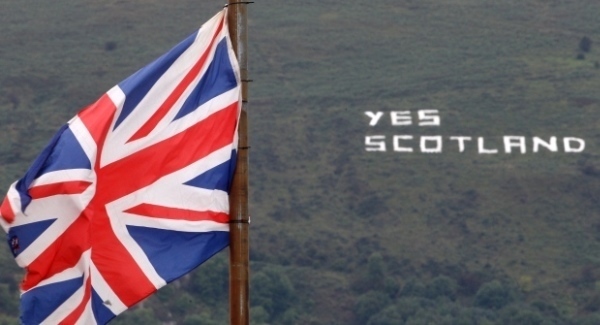
British Labour Party leader Ed Miliband attacked what he branded the “ugly” side to the nationalists as he was swamped in chaotic scenes by Yes vote protesters while canvassing in Edinburgh.
SNP first minister Alex Salmond hit back, dismissing an offer by the main Westminster parties of home rule for Scotland as a “last-minute desperate offer of nothing”.
International alarm at the real prospect of a UK break-up was led by Spain, which warned Scotland would have to wait at least five years to join the EU and must then abandon sterling for the euro. Spain’s European affairs minister, Inigo Mendez de Vigo, with one eye on the would-be breakaway region of Catalonia, rubbished Mr Salmond’s claims Scotland would negotiate membership “from within” after a Yes vote during its planned 18-month separation talks with London leading to nationhood in March 2016.
Former US president Bill Clinton also urged Scots to vote to stay in the UK.
Mr Clinton stressed the decision was for “Scots alone to make”. But he highlighted issues including uncertainty over currency, and the impact on the economy of “long complex” negotiations — and argued Scotland should send out a “powerful message to the world” about the potential for unity.
The No campaign used former prime minister Gordon Brown to go on the offensive and try to win back disillusioned Labour voters.
Mr Brown branded the SNP “liars” over claims the NHS in Scotland could only be protected by independence. The No campaign has seized on private documents passed to the BBC that suggest the NHS in Scotland is facing a funding gap of up to €600m.
British Prime Minister David Cameron’s attempts to save the union provoked a backlash among Tories angry at the raft of powers he intends to give Scotland if it remains in the UK, saying this will disadvantage taxpayers in England.
Mr Salmond called on Scottish people to “trust in themselves” when they vote and reject the “politics of fear” offered by the No campaign.
A new poll found that 63% of people in England and Wales want Scotland to stay in the UK, with 18% welcoming independence.
The survey showed 40% of English and Welsh voters think separation would leave the rest of the UK in a worse position.

CONNECT WITH US TODAY



Be the first to know the latest news and updates