Death row inmate free after three decades
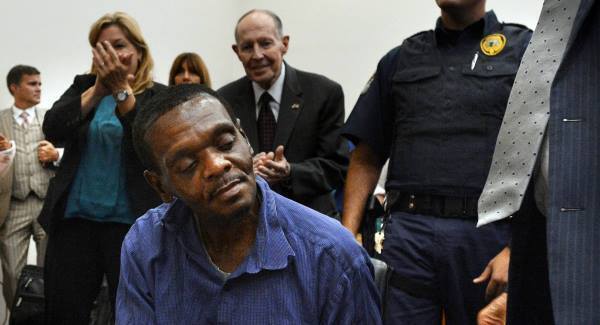
After walking out of prison for the first time in three decades, former death row inmate Henry McCollum tried to climb into his father’s car but put his head through the loop of the seatbelt that is supposed to cross his chest. A TV cameraman showed him how it works.

Death row inmate free after three decades

The safety gear isn’t all that’s changed since the 50-year-old McCollum and his younger half brother were sent away for a 1983 rape and killing that new DNA evidence shows they did not commit.

McCollum has never accessed the internet or owned a mobile phone. And he looked ill at ease in a tie and white dress shirt, the collar at least an inch too large, shedding the red jumpsuit he wore in his jail cell. His relief was obvious, though.

“Right now I want to go home and take a hot bath,” McCollum said. “I want to see how that tub feels. And eat. I want to eat. I want to go to sleep and wake up the next day and see all this is real.”

McCollum hugged his weeping parents at the gates of Central Prison in Raleigh, a day after a judge ordered his release, citing new DNA evidence in the 1983 slaying of 11-year-old Sabrina Buie. His half brother, 46-year-old Leon Brown, was later freed from Maury Correctional Institution, where he had been serving a life sentence.

McCollum said. “I just thank God that I am out of this place.”

Brown declined to be interviewed following his release, saying through his attorney he was too overwhelmed. He hugged his sister outside the prison before asking to go for a cheeseburger and milkshake.

“We were just looking at each other and just smiling,” said Ann Kirby, one of Brown’s lawyers.

During his years on death row, McCollum watched 42 men he describes as brothers make their last walk to the nearby death chamber to receive lethal injections. If not for a series of lawsuits that has blocked any executions in North Carolina since 2006, McCollum would have likely been put to death years ago.

Superior Court Judge Douglas Sasser overturned the convictions this week. He said another man’s DNA being found on a cigarette butt left near the body of the slain girl contradicted the case put forth by prosecutors.

The ruling was the latest twist in a case that began with what defence attorneys said were coerced confessions from two scared teenagers with low IQs.

McCollum was 19 at the time, and Brown was 15. There was no physical evidence connecting them to the crime including DNA from the cigarettes.

Defence lawyers petitioned for their release after a recent analysis from the discarded cigarette pointed to another man who lived near the Robeson County soybean field where the slain girl’s body was found. That man is already serving a life sentence for a similar rape and murder that happened less than a month later.

The men’s freedom hinged largely on the new local prosecutor’s acknowledgement of the strong evidence of their innocence.

Even if the men were granted a new trial, Robeson County District Attorney Johnson Britt said: “Based upon this new evidence, the state does not have a case to prosecute.” He said he is considering whether to reopen the case and file new charges against the now suspected man.

Brown and McCollum both were initially sentenced to death but those were overturned. At a second trial, McCollum was again sent to death row, while Brown was convicted of rape and sentenced to life.

More in this section

Cookie Policy Privacy Policy Brand Safety FAQ Help Contact Us Terms and Conditions

© Examiner Echo Group Limited