Assad ‘peace plan’ dismissed as ploy by critics
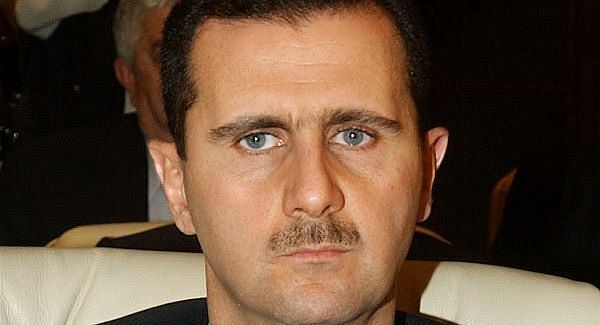
Appearing before cheering supporters at Damascus Opera House, it was his first such speech since June, and his first public appearance since November.
He called for mobilisation in a “war to defend the nation”, describing rebels fighting him as terrorists and foreign agents with whom it was impossible to negotiate.
His initiative — including a reconciliation conference that would exclude “those who have betrayed Syria” — contained no concessions and appeared to recycle proposals opponents have rejected since the uprising began nearly two years ago.
The opposition National Coalition said the speech was an attempt to thwart an international agreement, backed by Western and Arab powers, that he must stand down.
British foreign secretary William Hague said “empty promises of reform fool no one”. In a tweet he added: “Death, violence and oppression engulfing Syria are of his own making”.
EU foreign affairs chief Catherine Ashton said Brussels would “look carefully if there is anything new in the speech, but we maintain our position that Assad has to step aside and allow for a political transition”.
Assad spoke confidently for about an hour before a crowd of cheering loyalists, who at one point raised their fists and chanted: “With blood and soul we sacrifice for you, Oh Bashar!” !
“We are now in a state of war in every sense of the word,” Assad said in the speech. “This war targets Syria using a handful of Syrians and many foreigners. Thus, this is a war to defend the nation.” Saying that “suffering is overwhelming” the land, he added: “The nation is for all and we all must protect it.”
The UN says 60,000 people have been killed in the civil war in Syria. Fighting has arrived at the edge of the capital in what has become the longest and bloodiest of the conflicts to emerge from two years of revolts in Arab states.
Rebels now control much of the north and east, a crescent of suburbs on the outskirts of the capital, and the main border crossings with Turkey.
But Assad’s forces are still firmly in control of most of the densely populated south-west, the main north- south highway and the Mediterranean coast.
The army also holds military bases throughout the country from which its helicopters and jets can strike rebel-held areas with impunity.
Reuters