Stormy presidential race winds down
A few weeks after he won all but one of the states to secure a second term, he famously answered a question about what he wanted for Christmas: âWell, Minnesota would have been nice.â
The Democratic lamb to slaughter that year was Walter Mondale, Jimmy Carterâs vice-president in the late 1970s and subsequent running mate in the failed bid for re-election in 1980. All Mondale had to show for his challenge against Reagan were the paltry votes of Washington, DC and his own home state of Minnesota.
Politics are local, almost without fail, which is why Bill Clinton took Arkansas twice in the 1990s. Only another southerner, Carter in 1976, could prise that state from the Republicans in the 10 elections that have occurred since the 1970s, a situation that will continue for the foreseeable.
Since George McGovernâs doomed election campaign in 1972, the only major candidate to lose their home state was Tennesseeâs Al Gore in 2000.
McGovernâs failure was the result of a run of bad luck, the most infamous calamities being his 3am presidential nominee acceptance speech at the Democratic National Convention, followed by revelations two weeks later that his running mate, Missouri senator Thomas Eagleton, had received shock therapy for clinical depression in the 1960s.
Despite McGovernâs popularity as a South Dakota politician, a war hero, and an eloquent opponent of the Vietnam War, his own state rejected him and Nixon clinched a record landslide victory that would only be matched 12 years later by Reagan.
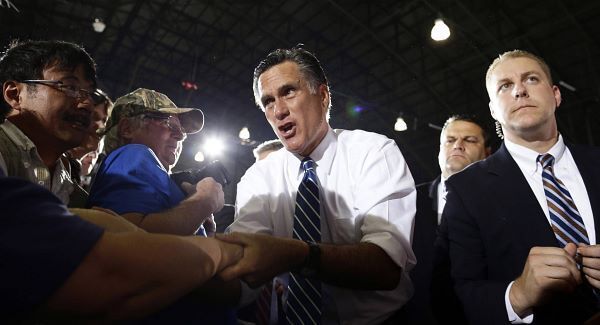
McGovern could only muster up DC and the state of Massachusetts, which is technically the home state of this yearâs challenger, Mitt Romney, the relatively popular former governor of Massachusetts.
It is one of two states he identifies with â Michigan being his birthplace and the state where his father was himself a popular governor in the 1960s.
But neither of Romneyâs states will go his way. This election is incredibly tight, but such is the elusiveness of Romneyâs character, his chameleon ability to move between different states and political philosophies, that those who seem to know him best are reluctant to fully endorse him.
Itâs a shocking indictment of the bereft nature of opposition to Obama that the Republicans couldnât even come up with a candidate that would bring his own people with him, and it may turn out to be one of the reasons, that if the dust settles on a Romney victory, it will fast become hollow and unsatisfying for those desperate to see the back of the incumbent.
The Republicans have targeted ad buys in so-called reach states such as Minnesota and Michigan, both of which are solidly Democrat. Placing ads in Minnesota pushes the Romney campaign into a state Democrats have held for more than three decades. Itâs difficult to tell whether they see an opportunity or are just trying to garner some media attention and maybe as a bonus, get Team Obama to become alarmed and send some of their own funds into states which normally donât get as much attention.
Somewhere in between âreachâ and âswingâ lies Pennsylvania, which could see an increased push from Romneyâs campaign this week as they look to spend the remaining millions they have managed to raise. Itâs a gamble but not out of the question.
Neighbouring Ohio remains the ultimate prize, however. The put-upon citizens of that large state have been bombarded.
According to Bloomberg and New York-based CMAG, âit would take about 80 days of nonstop viewing to see all 58,235 of the typically 30-second Ohio presidential advertisements that have aired in the last monthâ.
Bloomberg also identified the top outside spender in Ohio presidential advertising is American Crossroads, a so-called super-PAC, or political action committee, not bound by limits on the sums of money they can pump into selecting their candidate.
Restore Our Future, the super-PAC most closely aligned with Romney announced last week will pump $3m (âŹ2.3m) worth of ads into the state in the coming days.
CMAG have also calculated that $1bn will have been spent nationwide on ads, while the New York Times reported that âthe number of presidential campaign ads that ran across the country in the last week was a staggering 80,000â.
The incessant advertising will become all the more aggravating for the battleground states on and near the eastern seaboard when Hurricane Sandy forces everyone indoors to watch even more television.
Two important states â Virginia and North Carolina â will feel the brunt of Sandy, while even Ohio and Pennsylvania can expect to be under the kosh. Romney cancelled a planned rally in Virginia Beach but the real unknown is how this will effect voting.
Obama voted early last week and advised others to do the same for fear of adverse weather. Natural disasters donât get spun easily and the more early voters he can encourage the better. More worrying for him is a report cited by the Washington Post which claims that bad weather âgenerally helpsâ Republicans and that better weather would have won Al Gore Florida in 2000. If Obama pulls this off, heâll have done it the hard way.