Gloves off as accusations fly in leaders’ debate

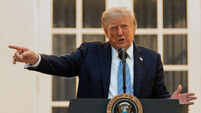
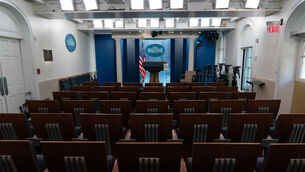
THE gloves came off in the second televised debate of the British general election campaign last night, as the leaders of the three big parties clashed over issues ranging from nuclear weapons to Europe, immigration and expenses.

Gloves off as accusations fly in leaders’ debate

In contrast to last week’s well-mannered exchanges, Gordon Brown, David Cameron and Nick Clegg made direct attacks on one another in the 90-minute Sky News debate in Bristol.

Brown accused Cameron of being “a risk to the economy” and said Clegg was “a risk to our security”.

The Conservative leader challenged the Prime Minister to disown Labour campaign leaflets which he said were peddling “lies” over Tory policy on benefits for the elderly.

And Liberal Democrat leader Nick Clegg accused the Tories of allying themselves with “nutters and anti-Semites” in the European Parliament.

In the first instant poll following the debate, by YouGov for The Sun, Cameron came out on top, with 36% of viewers saying he won the debate against 32% for Clegg and 29% for Brown. Brown was up 10% on last week’s YouGov instant poll, Cameron up 7% and Clegg was down 19%.

Clegg came out top in a second poll, by ComRes for ITV News, with 33% of the 2,691 viewers questioned saying he won the debate. Cameron and Brown were tied on 30% in second place.

When asked who they would vote for in the general election, 36% said the Liberal Democrats, 35% the Conservatives and 24% said Labour.

After a widely-praised performance in last Thursday’s debate which catapulted his party up the polls by as much as 12 points, all eyes were on Clegg to see whether he could repeat his surprise victory in instant surveys of viewers.

Both Cameron and Brown were criticised for giving the Lib Dem leader an easy ride in the first debate, and were quick this time to pick up on what they regard as flaws in his programme.

As Clegg repeated his attack on MPs from “the old parties” who had flipped their second homes to maximise their income from expenses, Cameron stepped in to warn him not to place himself “on a pedestal”.

And the Prime Minister addressed him directly over his opposition to a like-for-like replacement of Britain’s Trident nuclear deterrent, telling him: “I have to deal with these issues every day and I say to you, Nick, get real.”

Brown accused the other two leaders of “squabbling” like children as they clashed over their proposals for referendums on the European Union. Cameron dismissed the Lib Dem call for a vote on whether Britain should quit the EU as “a con”, while Clegg accused theTories of wanting to leave Britain on the sidelines.

“These two guys remind me of my two young boys squabbling at bathtime, squabbling about referendums on the EU when want we need is jobs and growth and recovery,” said Brown.

“I’m afraid David is anti-European, Nick is anti-American and both are out of touch with reality.”

There were also fierce clashes over immigration, with both Brown and Cameron describing the Lib Dem proposal to allow illegal migrants to earn the right to stay in Britain after a fixed period as an “amnesty” which would attract more people to come to Britain.

Clegg accused the Prime Minister of being “in denial” about the prospect of removing hundreds of thousands of illegals and saidTory plans for an annual cap on incomers “has no substance and hasn’t been thought through”.

One of the fiercest clashes came as Cameron accused Brown of allowing Labour election leaflets to spread “lies” that a Tory administration would cut benefits for the elderly – and he directly challenged the PM to withdraw them.

Addressing elderly people in the audience, the Tory leader said: “These lies you are getting from Labour are pure and simple lies. I have seen these lies and they make me very, very angry.”

Brown insisted he had not “authorised any leaflets like that”, but pressed the Tory leader: “Why isn’t it in your manifesto that you are keeping free eye tests?”

Both the Tory and Labour leaders criticised Lib Dem policy to include the future of Britain’s Trident nuclear deterrent in a strategic defence review which all parties say they will hold after the election.

Clegg said it was “dangerous” to commit tens of billions of pounds to a Cold War era weapons system, when US President Barack Obama saw the threats of the future coming from terrorists and failed states against which Trident would be no use.

He cited senior generals who agree with him that Britain has more time to consider whether it wants to go ahead with replacing Trident or find another system of delivering a nuclear deterrent.

Brown said Clegg had to “get real about the danger” of a nuclear-armed Iran and North Korea.

In a joking reference to last week’s debate, when “I agree with Nick” became something of a catchphrase as each of the other parties sought to co-opt the Liberal Democrats to their side, Cameron said: “I have never uttered these words before, but I agree with Gordon. You can’t put off this decision.”

x

More in this section

Cookie Policy Privacy Policy Brand Safety FAQ Help Contact Us Terms and Conditions

© Examiner Echo Group Limited