Dawn police raid in New Zealand sparks racism charges from Maori

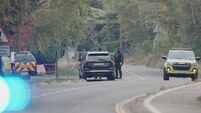
ARMED police stormed into this quiet village at dawn, threw up roadblocks, shot out truck tyres and forced families out of their homes at gunpoint.

The rare show of force, with its dark subscript of terrorism and assassination plans, stunned this nation where beat cops don’t even carry guns. It has sparked charges of racism and inflamed historical resentments.

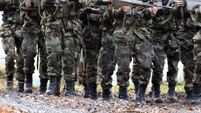
The October raid was part of a nationwide sweep in which 16 people were arrested and authorities said they shut down military-style camps on Maori ancestral lands where Maori militants and environmental activists trained.

But a bid to charge 12 of the 16 with terrorist activities unravelled on technical grounds, triggering complaints of police heavy-handedness. While the facts remain unclear, the way police handled the case has strained relations with the 540,000-strong Maori community, which makes up 15% of the country’s population.

What many found most appalling were the tactics used to arrest three of the suspects in Ruatoki and the nearby town of Whakatane, both home to the uncompromising Tuhoe — the only Maori tribe that rejects the government’s sovereignty.

“They came in here like in a B-grade film,” said Tame Iti, a Tuhoe activist arrested in the Ruatoki raid. “It was an attack on the community. It was an attack on me as a freedom fighter, and as a sovereign person of this country.”

The town of Ruatoki is dotted with small houses that lie in flat fields by a rural highway on the northern of New Zealand’s two islands.

Iti said police stormed in and held his family including children at gunpoint, firing two shots into tires on his truck.

After the arrests, protests broke out in a dozen towns and cities and abroad in the United States, England and Australia, itself home to 250,000 Maori.

The police actions against the Tuhoe “set back relations between Maori and the government 100 years,” said Pita Sharples, co-leader of the Maori Party and a member of parliament.

Authorities said during 18 months of covert monitoring, they had heard armed activists at the camps — in the forested hills of Te Urewera, the Tuhoe ancestral lands — talking of political assassinations and bombing power plants. The arrested included some white New Zealanders.

Local newspapers published police intercepts of those conversations. In them, the suspects discuss using “sudden” and “brutal” attacks to divide New Zealand. The suspects also surmise that foreign terror groups would be blamed, according to the newspaper accounts.

More in this section

Cookie Policy Privacy Policy Brand Safety FAQ Help Contact Us Terms and Conditions

© Examiner Echo Group Limited