Players support injury protocols
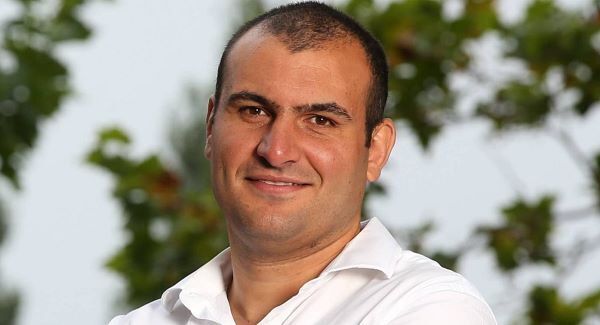
The Munster flanker was withdrawn at half-time of last Saturday’s Rabo-Direct Pro12 fixture against Leinster as a precautionary measure by team doctor Tadhg O’Sullivan after being struck on the head by an opponent’s knee.
The 24-year-old has been monitored closely this week and sat out training on Tuesday, but has insisted he is fit to feature against Edinburgh at Murrayfield in this Saturday’s Heineken Cup opener.


Read

Listen

Watch

Play
CONNECT WITH US TODAY



Be the first to know the latest news and updates




Sport
Newsletter

Sign up to our daily sports bulletin, delivered straight to your inbox at 5pm. Subscribers also receive an exclusive email from our sports desk editors every Friday evening looking forward to the weekend's sporting action.
Sport
Newsletter
Sign up to our daily sports bulletin, delivered straight to your inbox at 5pm. Subscribers also receive an exclusive email from our sports desk editors every Friday evening looking forward to the weekend's sporting action.

Most Read
Tuesday, October 27, 2026 - 8:00 AM
Tuesday, October 27, 2026 - 8:00 AM
Monday, October 26, 2026 - 9:00 PM

Check out our diverse library of newsletters and get the best of the Irish Examiner delivered straight to your inbox