Record number of people in Ireland now taking part in sport every week
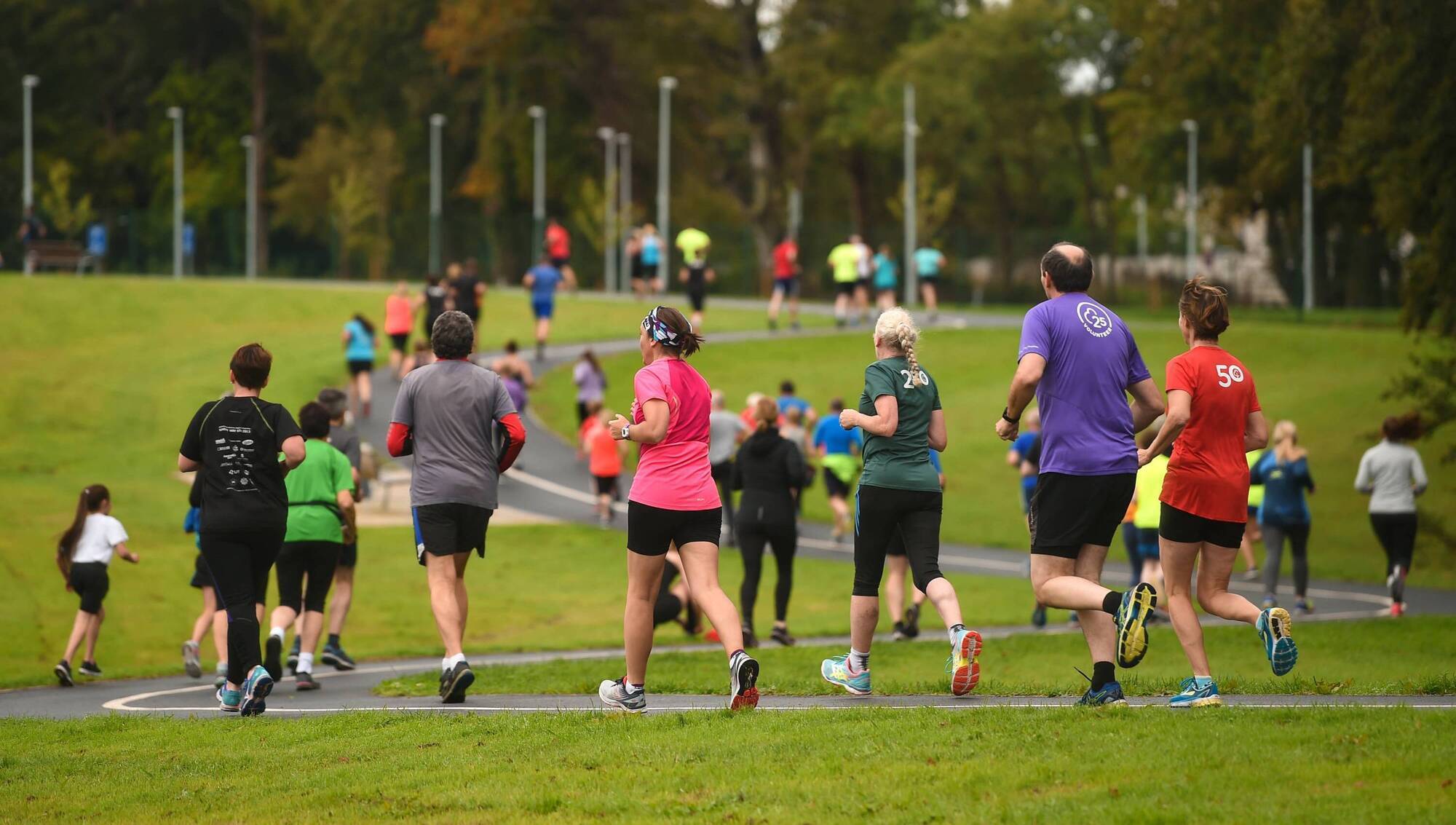
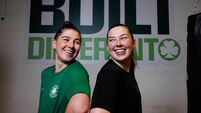
Personal exercise remains the most popular activity, with one in five adults participating weekly. Pic: Diarmuid Greene/Sportsfile
More than 2.12 million people in Ireland took part in sport every week last year, according to the latest Irish Sports Monitor survey, with participation levels reaching their highest point since records began.
The figures, released by Sport Ireland on Wednesday morning, underline the continuing growth in sporting activity across the country, particularly in individual exercise activities such as running, gym work and swimming.
Weekly sports participation now stands at 48.4% of the population, effectively unchanged from 2024’s figure of 48.5%.
However, with Ireland’s population continuing to grow, the overall number of people taking part in sport every week has increased to a record level.
Personal exercise remains the most popular activity, with one in five adults participating weekly. Swimming (8%), running (7%), cycling (4%) and weights training (4%) complete the top five most popular sports.
Gaelic football, soccer, dancing, yoga and Pilates all recorded weekly participation rates of 3%, with golf at 2%.
Minister for Culture, Communications and Sport Patrick O’Donovan described the findings of the 2025 survey as evidence that long-term investment in participation is beginning to pay dividends.
“Today’s findings - showing more people are active in sports than ever before - are a powerful signal that our investment and the work of Sport Ireland and its partners is making a real difference in people’s lives,” he said.
“Sport is genuinely accessible and meaningful for everyone in Ireland.”
The survey, one of the world’s longest-running national studies of sports participation, gathered responses from more than 8,500 people aged 16 and over.
It showed that participation levels have risen significantly across almost every age group since 2017, with increases of between five and seven percentage points recorded in most categories.
The only exception is the 16 to 24-year-old group, where participation rates remain high at 70%, but largely unchanged from 2017 levels.
The report also highlighted some areas of concern.
Weekly recreational walking rates fell by four percentage points compared to 2024, returning to pre-pandemic levels.
That decline contributed to a drop in the percentage of people classified as “highly active” through sport and walking combined.
Similarly, the percentage of people meeting national physical activity guidelines through sport and recreational walking alone fell from 40% to 38%.
Sport Ireland chief executive Dr Úna May said the overall trend remained encouraging.
“These figures tell a positive story - more people in Ireland are active in sport than ever before,” she said.
“When people are active throughout their lives, the benefits extend to their physical health, their mental wellbeing, their social connections and their communities.”
However, the report also identified widening inequalities.
The gap in weekly sports participation between higher and lower socioeconomic groups has widened to 22 percentage points, up from 19 points last year and 16 points in 2017.
Sport Ireland chairperson John Foley described that trend as “a significant challenge” requiring a targeted response.
The participation gap between people with and without disabilities also remains substantial, although there has been progress.
Weekly participation among people with disabilities has increased from 29% in 2017 to 34% in 2025, while the overall gap narrowed to 19 percentage points in 2024.
Sport Ireland said programmes such as the ESF+ Sport4Empowerment initiative, Dormant Accounts funding and increased investment in Sports Inclusion Disability Officers are designed to address those disparities, while the body's 2025-27 Participation Plan also looks for solutions through the network of Local Sports Partnerships.
Minister of State for Sport Charlie McConalogue praised the work being carried out across clubs and communities nationwide.
“The results highlighted here are a great reflection on the fine work of thousands of clubs, coaches and volunteers across Ireland,” he said. “They deserve our thanks.”